WÖRNER – Textil & Technik ⎪ Technische Gestricke aus Deutschland
-
Benzstraße 22, 72793 Pfullingen

Technical Knitted Fabrics by WÖRNER

As a family-owned company, we manufacture high-performance technical textiles for a wide range of industries. Our B2B customers include companies from the furniture and office sectors, healthcare, industry, and many other demanding fields of application – from personal protective equipment to aerospace.
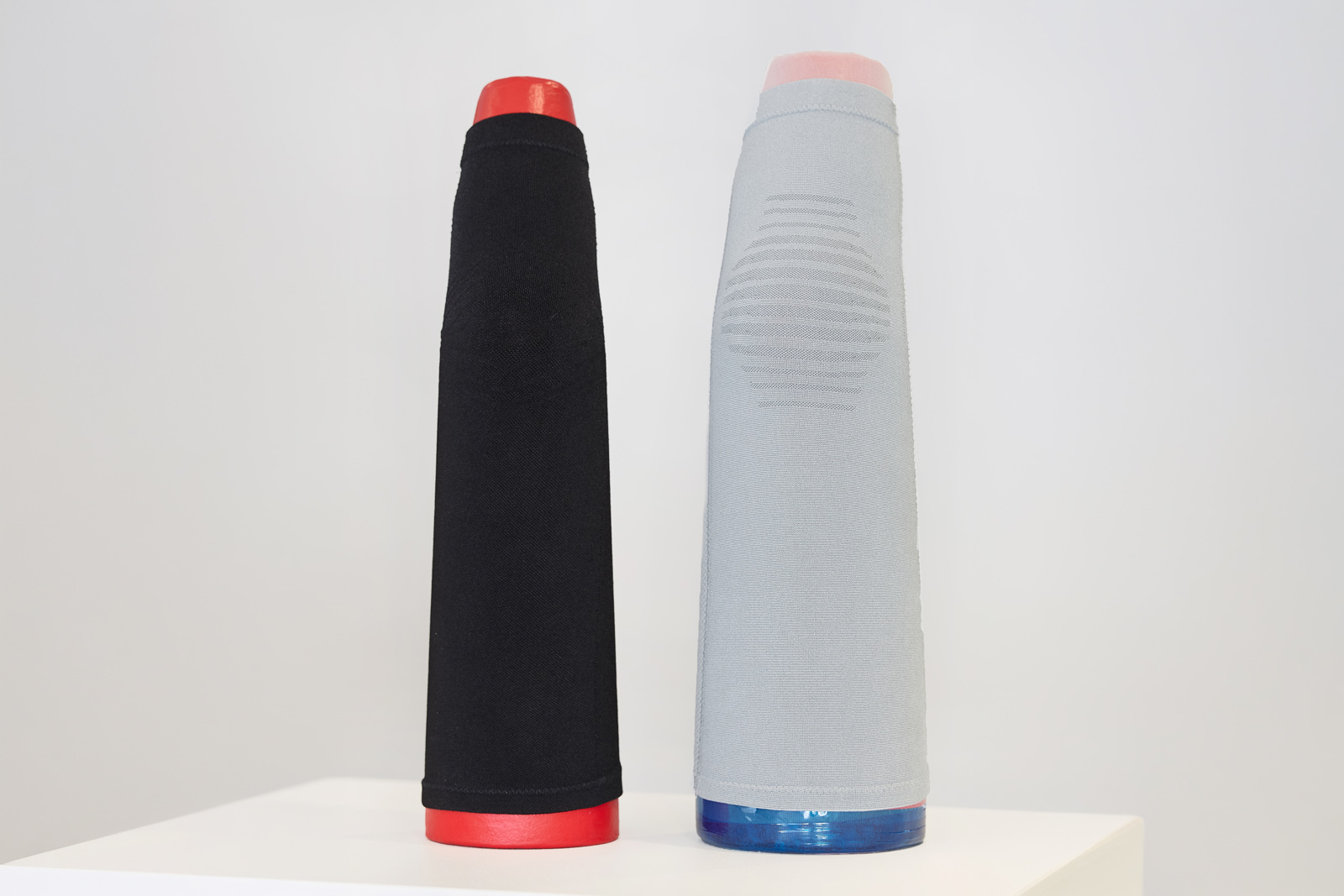
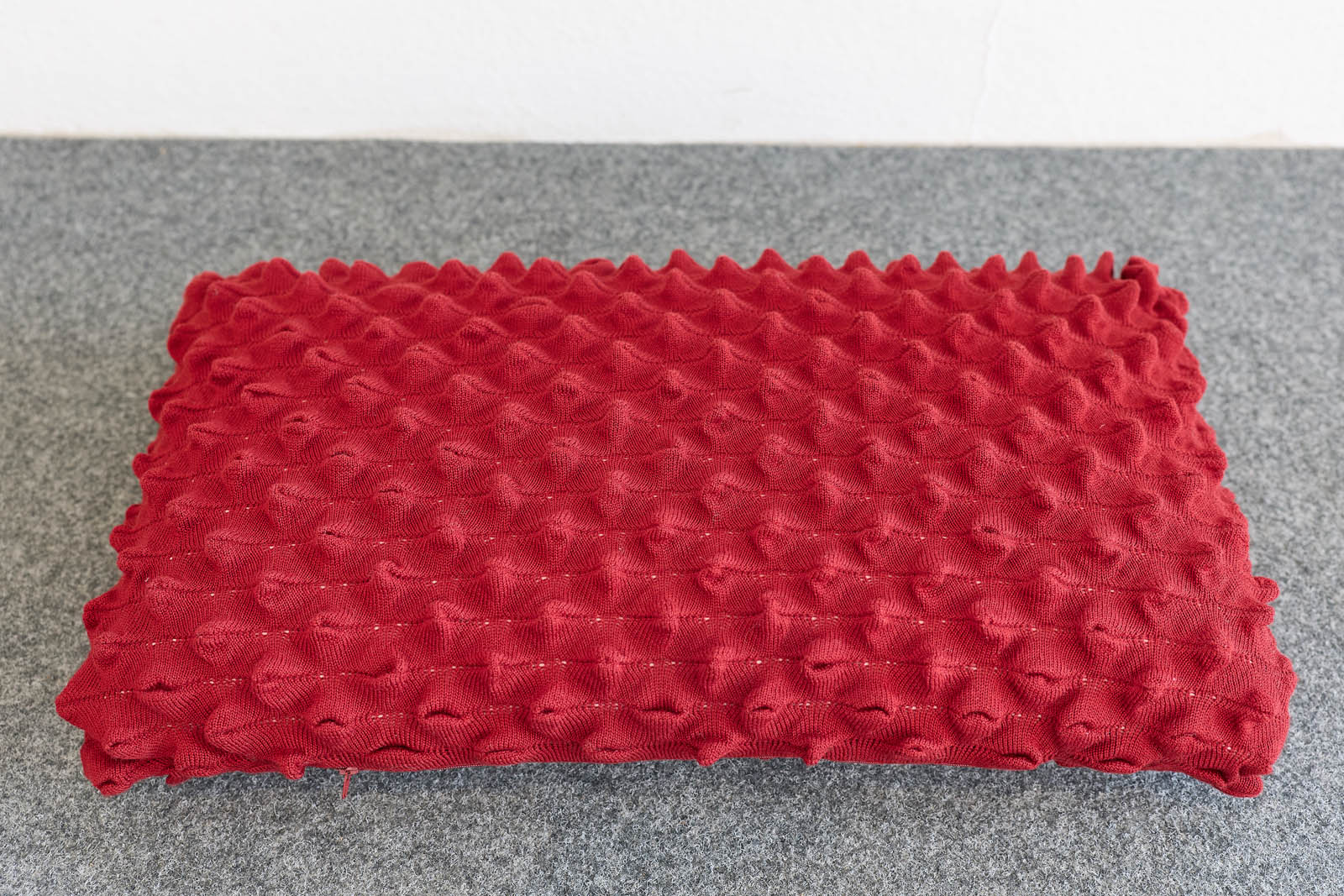
We see technical knitted fabrics as functional textile components with precisely defined properties. They are engineered to shape directly on the knitting machine and tailored exactly to their intended application.
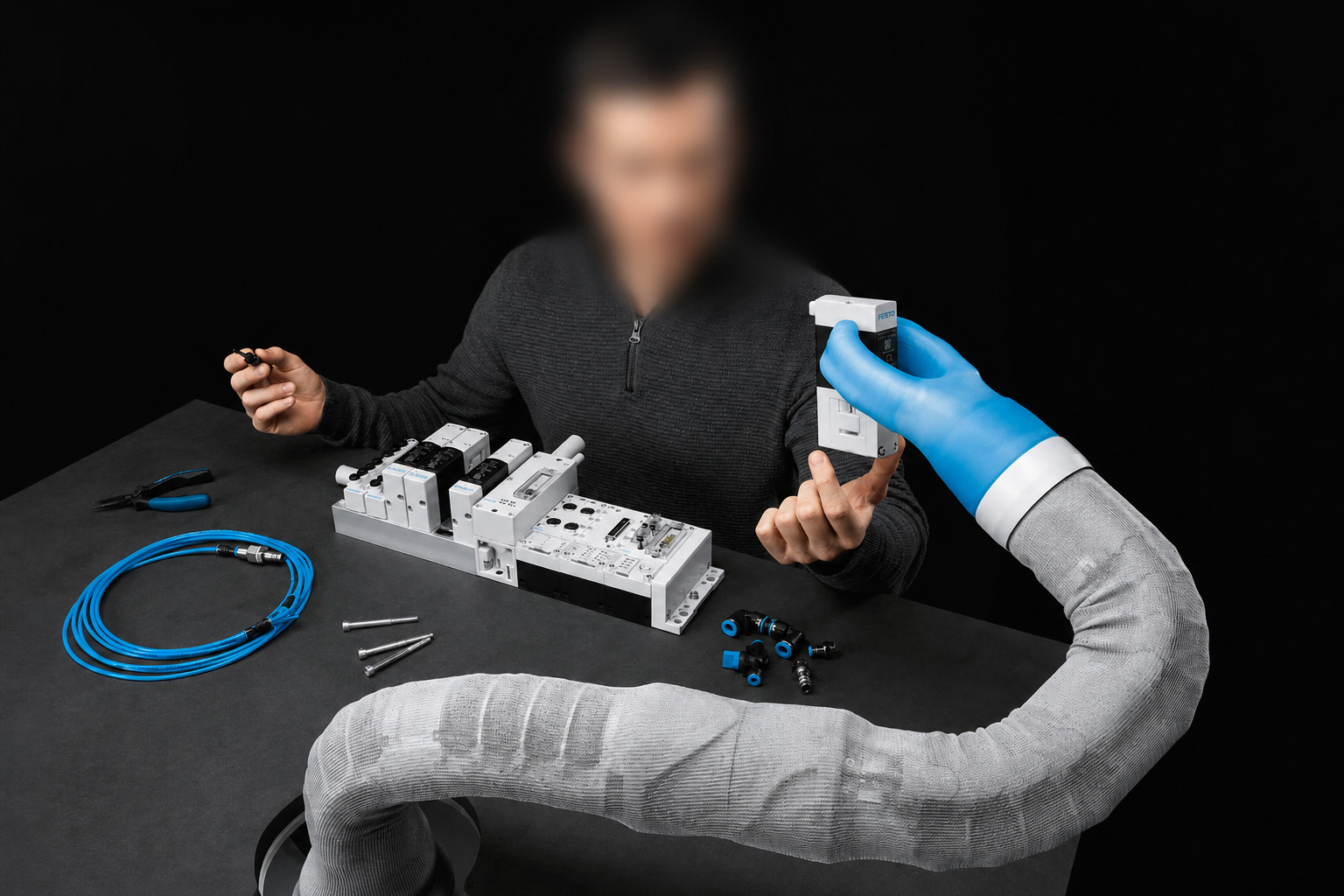
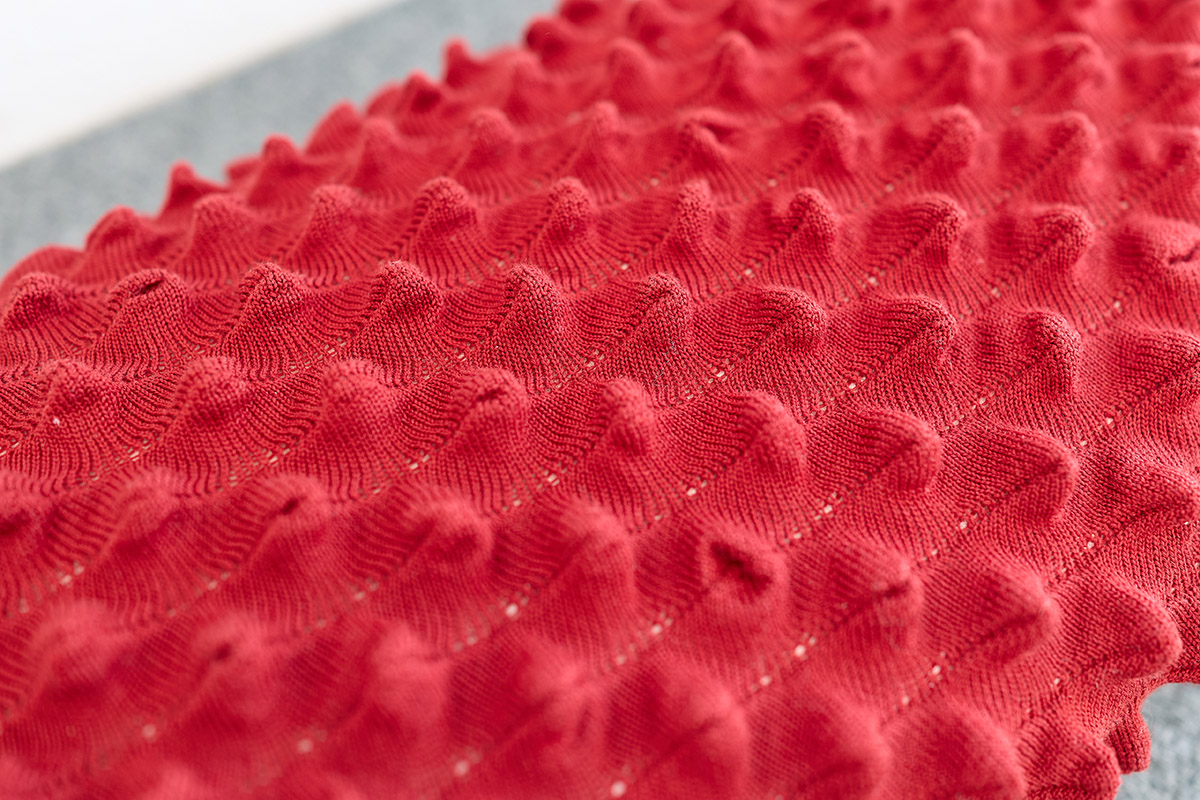
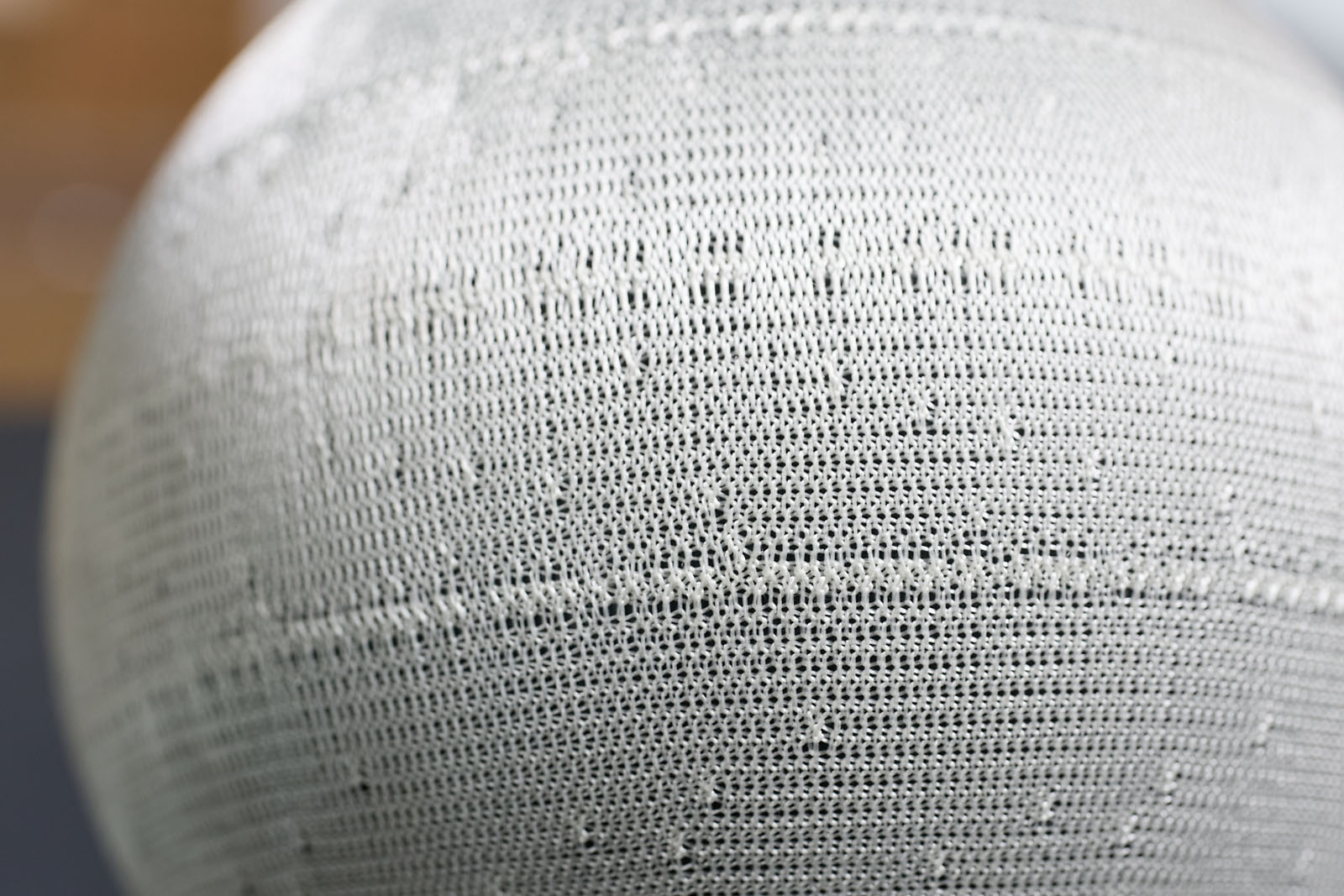
In particular, 3D knitting technology is opening up new possibilities for textile applications. It enables the production of complex, three-dimensional structures with integrated functionalities. This makes us a trusted development partner, providing expertise and support throughout the entire process – from the initial concept to series production.
Innovation & Development

We see ourselves as a development partner and source of expertise for our customers in the field of technical knitted fabrics. Together, we explore technological possibilities, develop innovative concepts, and tailor textile solutions precisely to their intended application.
At WÖRNER, innovation is driven by the combination of textile expertise and machine engineering know-how. Advanced knitting technologies, including 3D knitting, open up new possibilities in construction, functionality, and design. We are committed to supporting every stage of the development process until the optimal solution is achieved – and, wherever possible, expectations are exceeded.
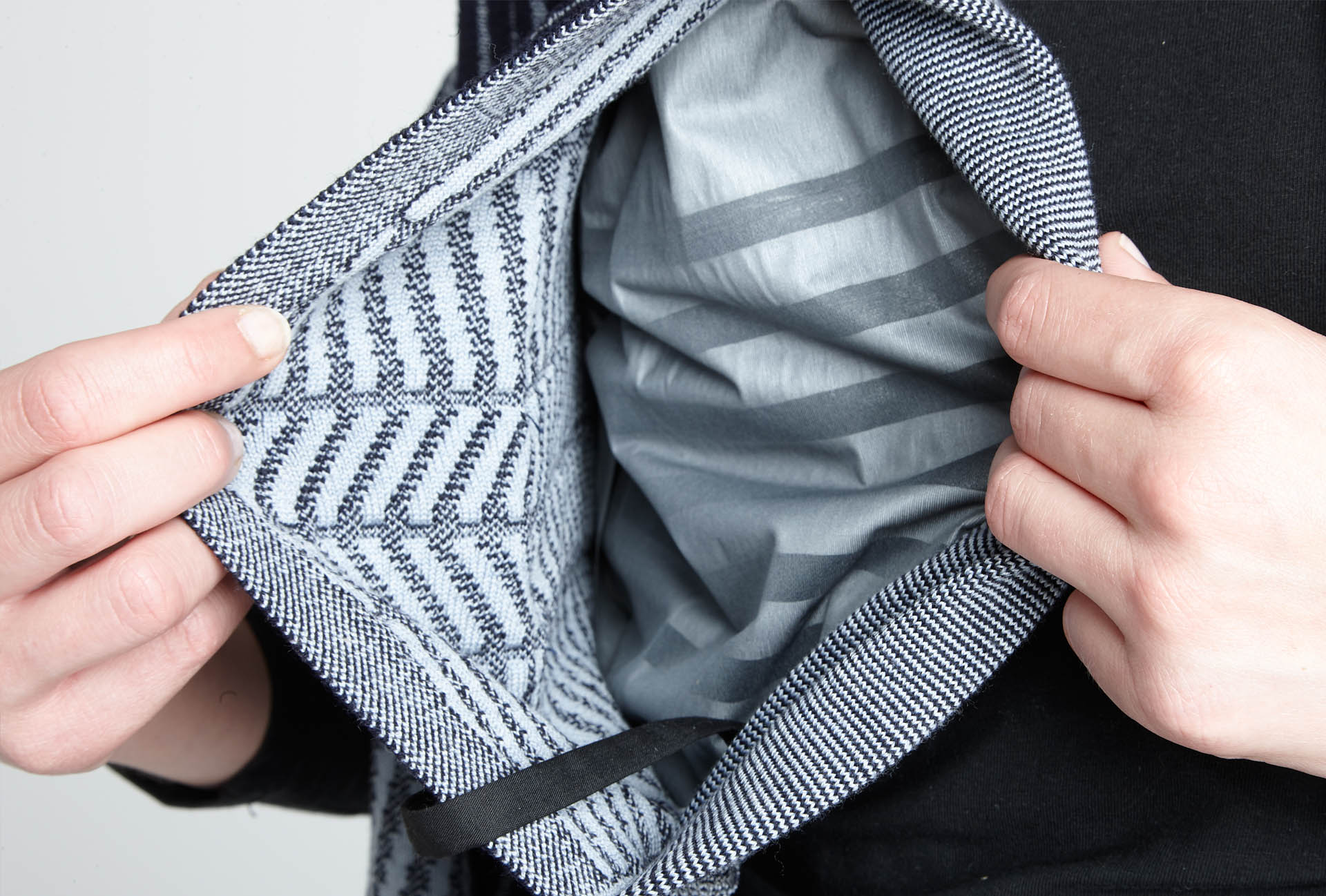
Materials & Fibres
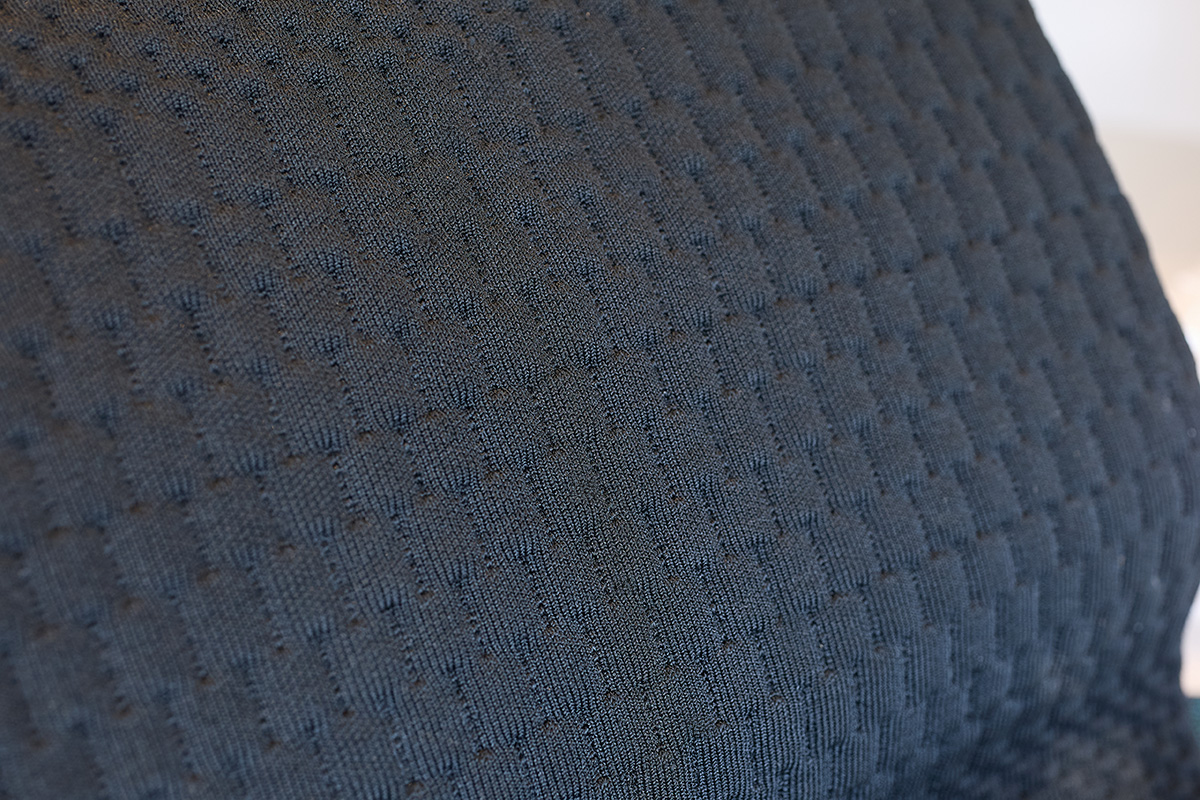
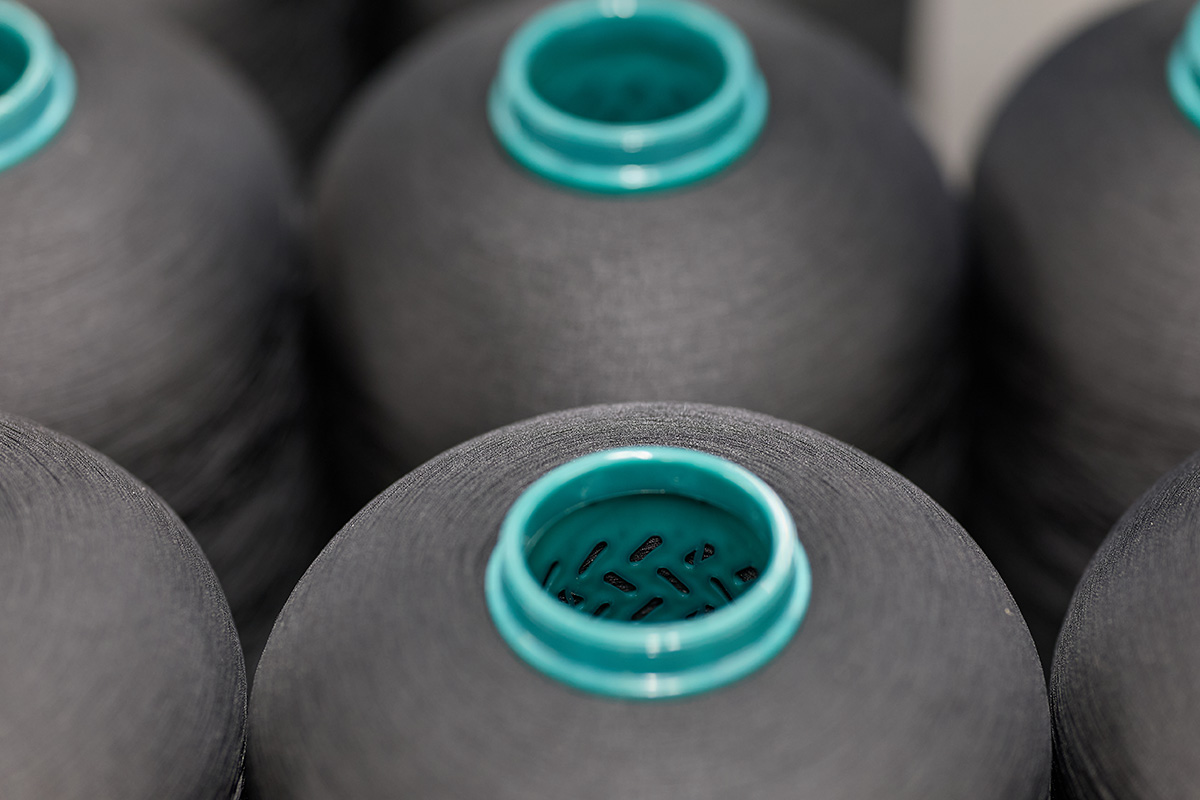
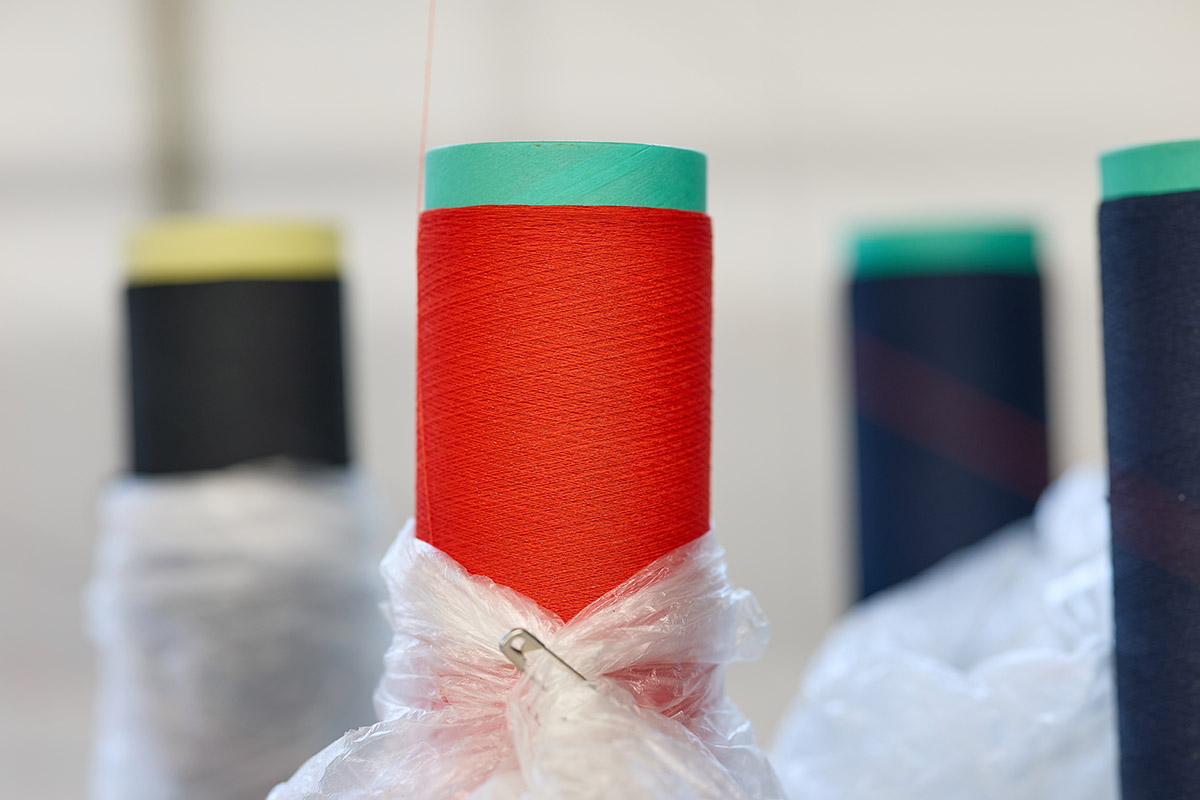
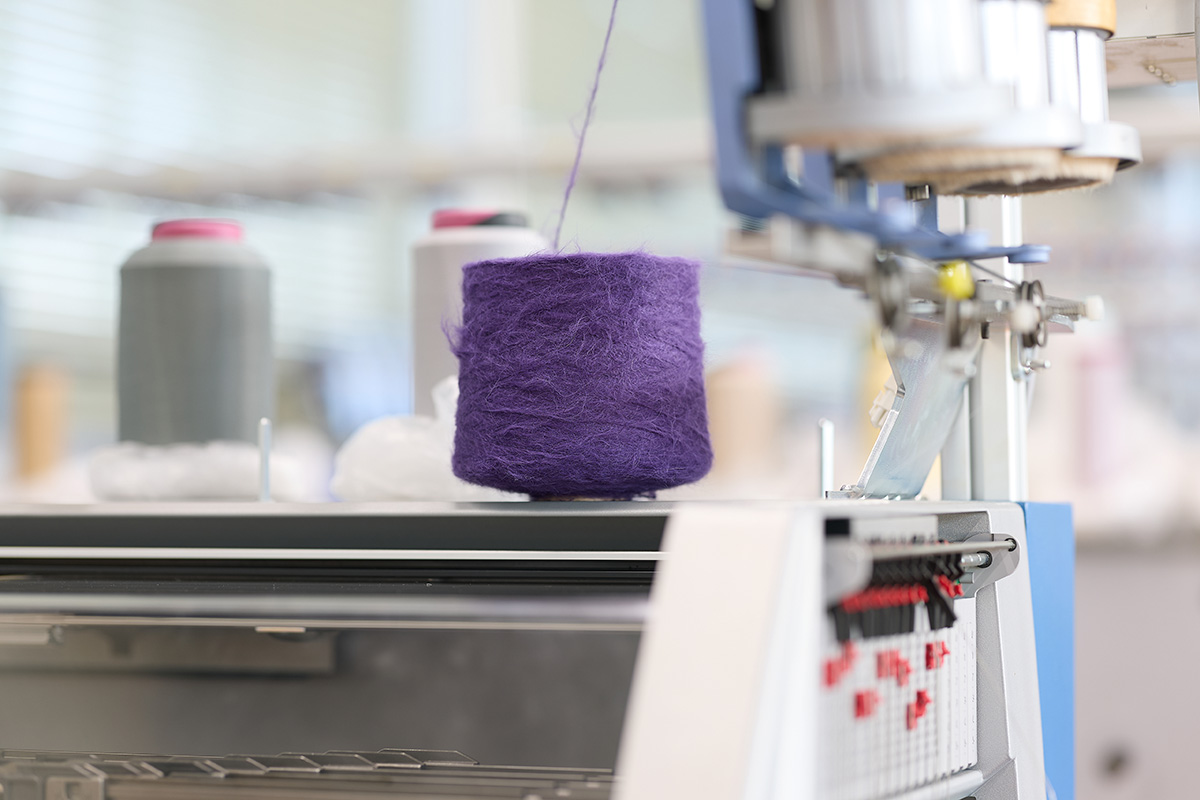
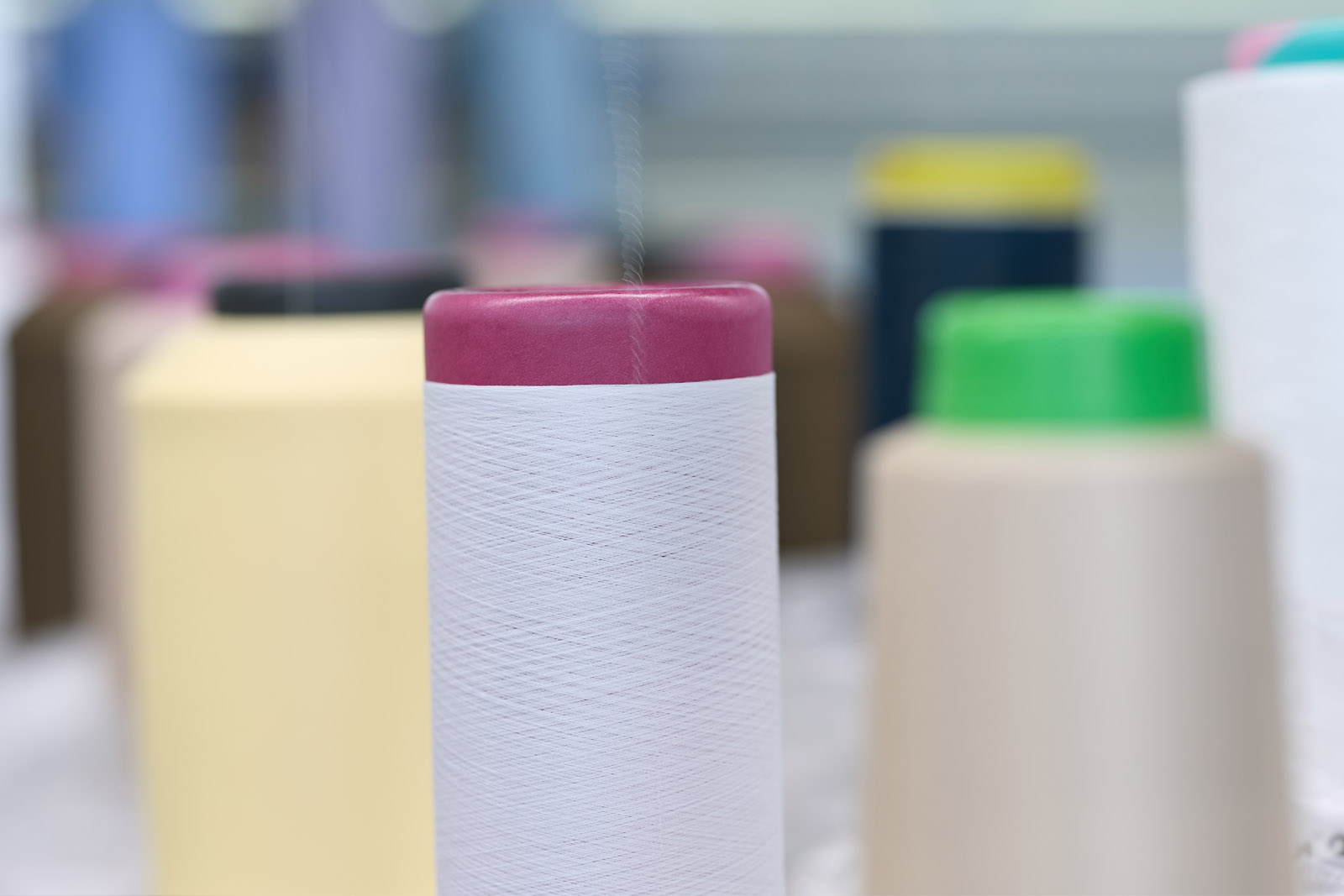
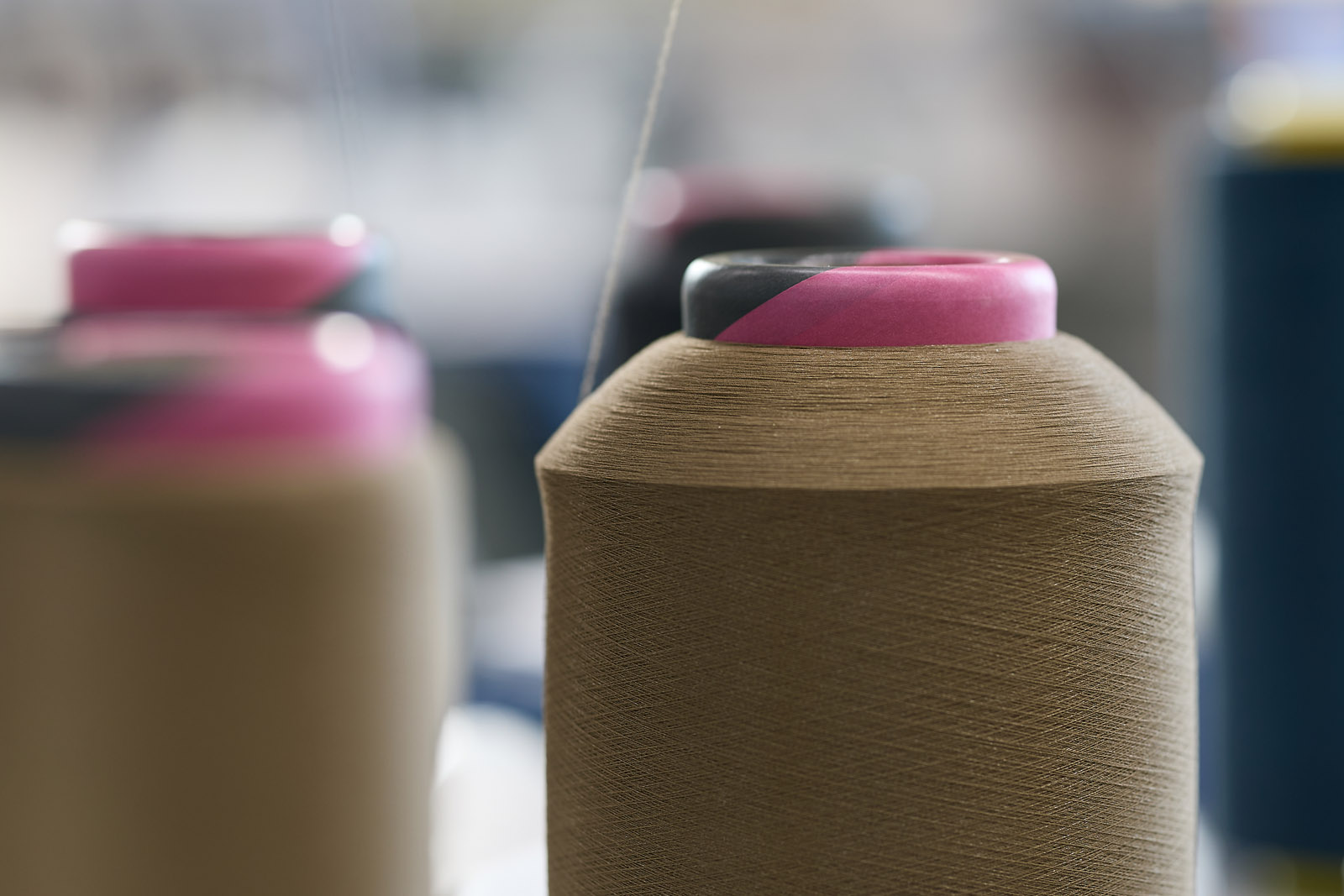
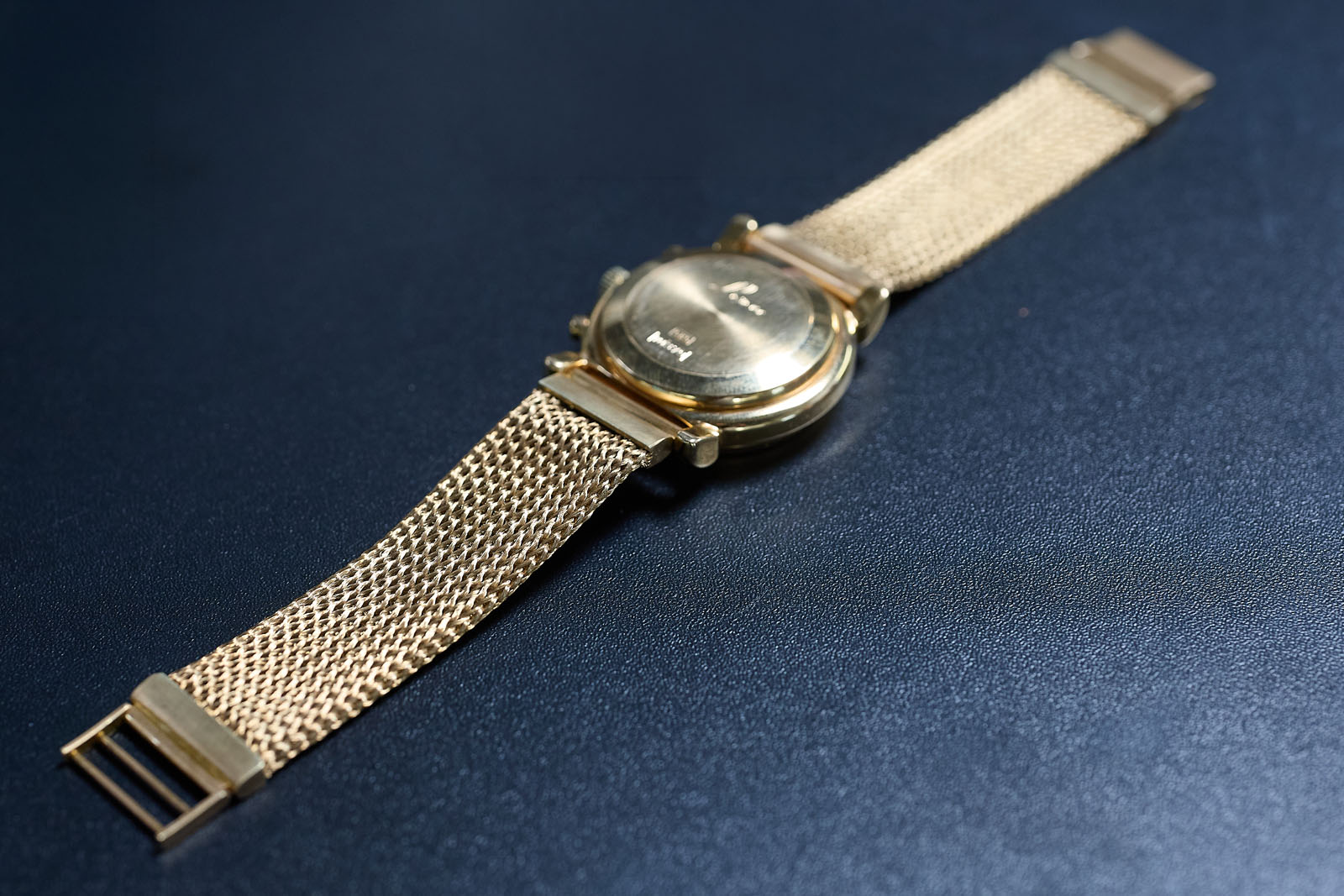
Material selection is a key part of our development process. We work with high-performance synthetic fibres, elastic yarns, technical specialty yarns, and—depending on the application—sustainable and recyclable materials.
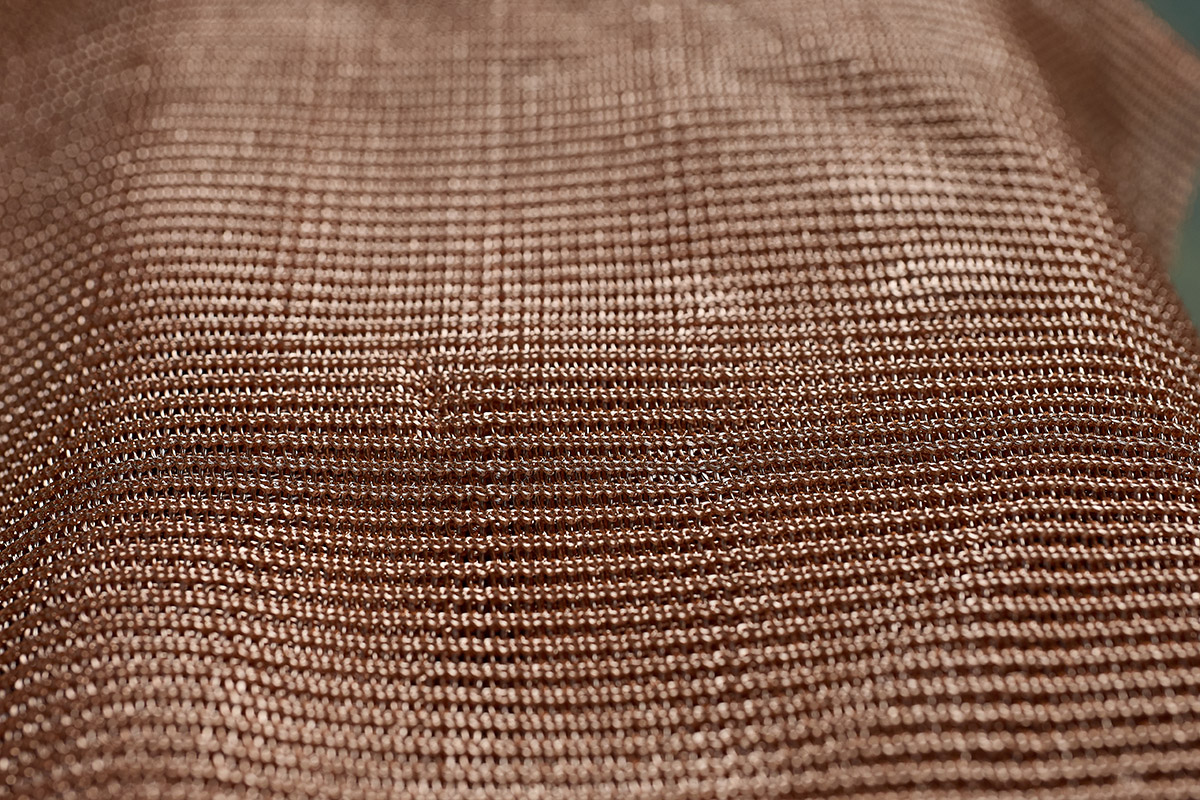
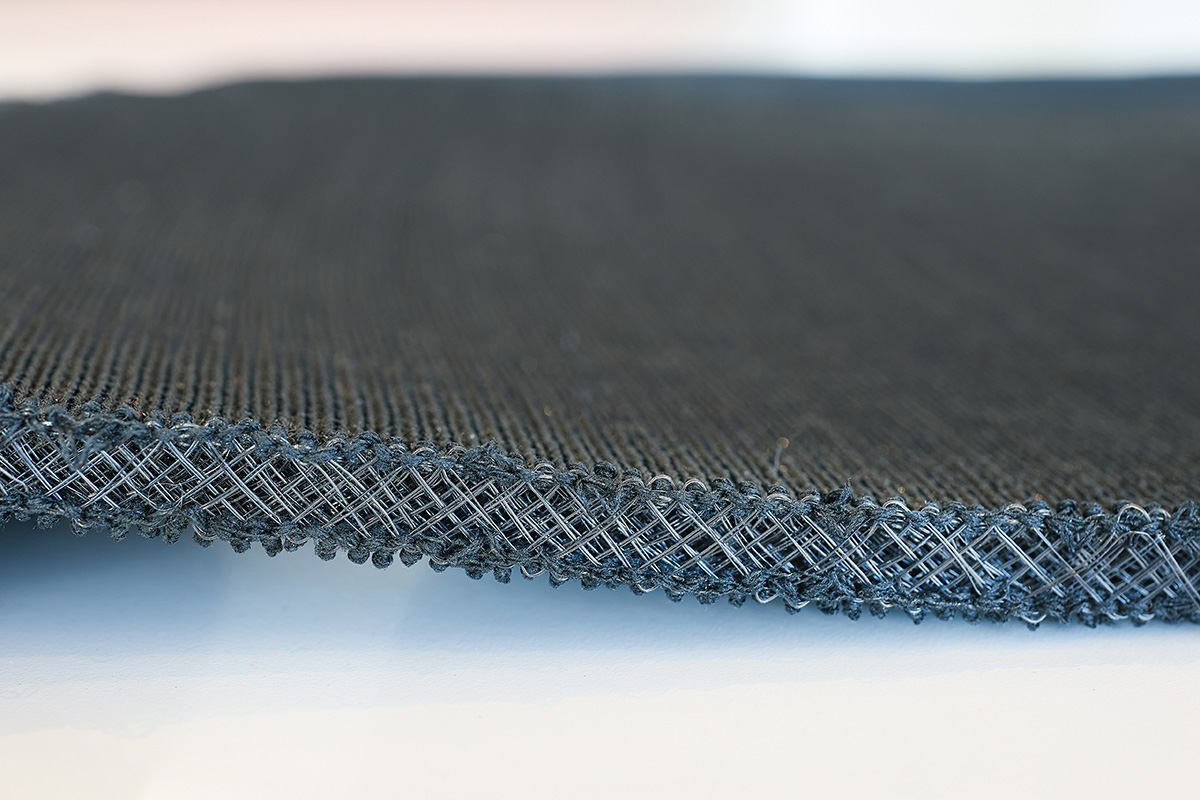
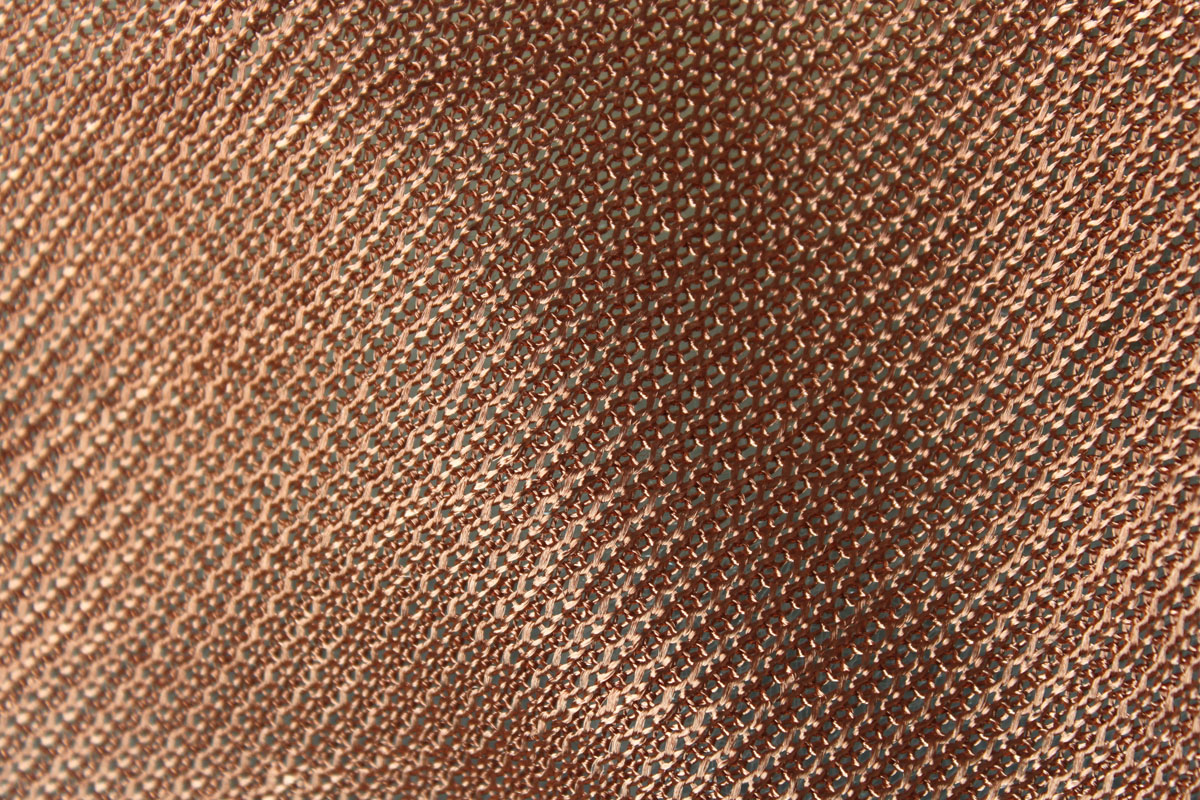
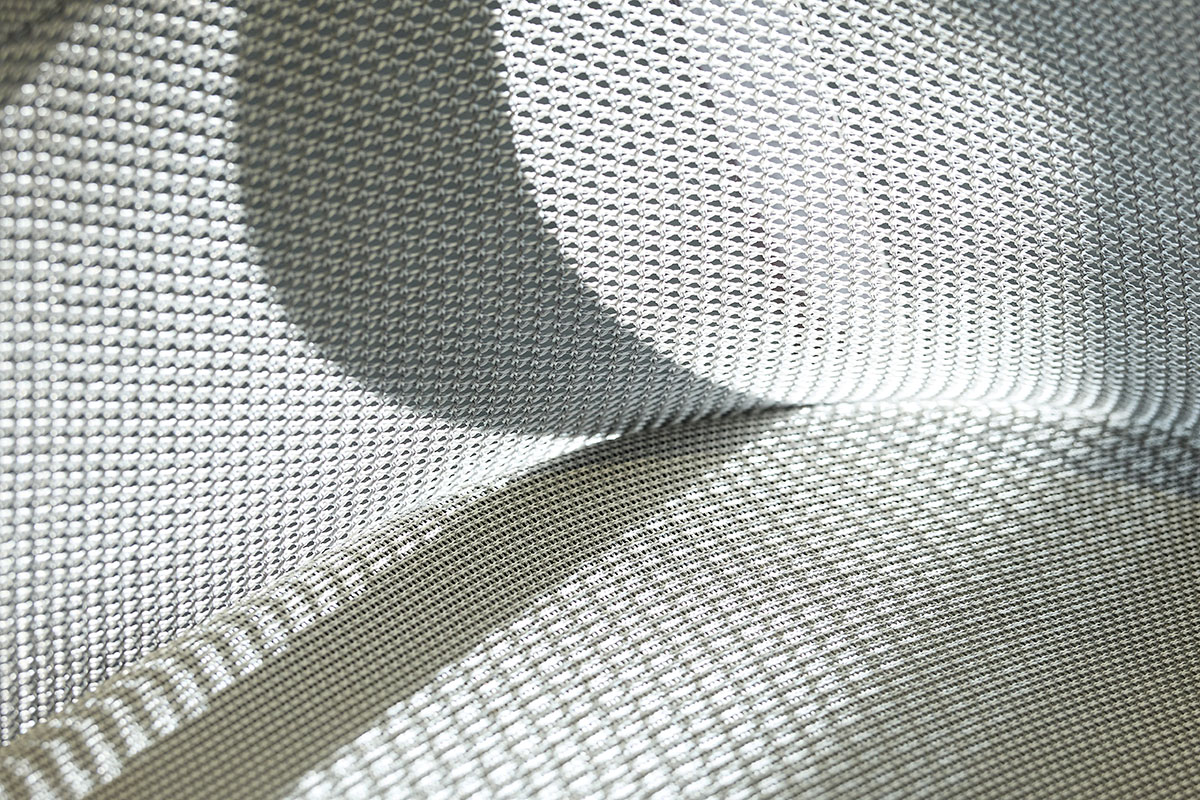
Yarn selection, material combinations, and textile constructions are carefully engineered to achieve specific properties such as elasticity, abrasion resistance, recovery, breathability, and electrical conductivity. The result is technical knitted fabrics with precisely defined functional characteristics.
Material Examples:
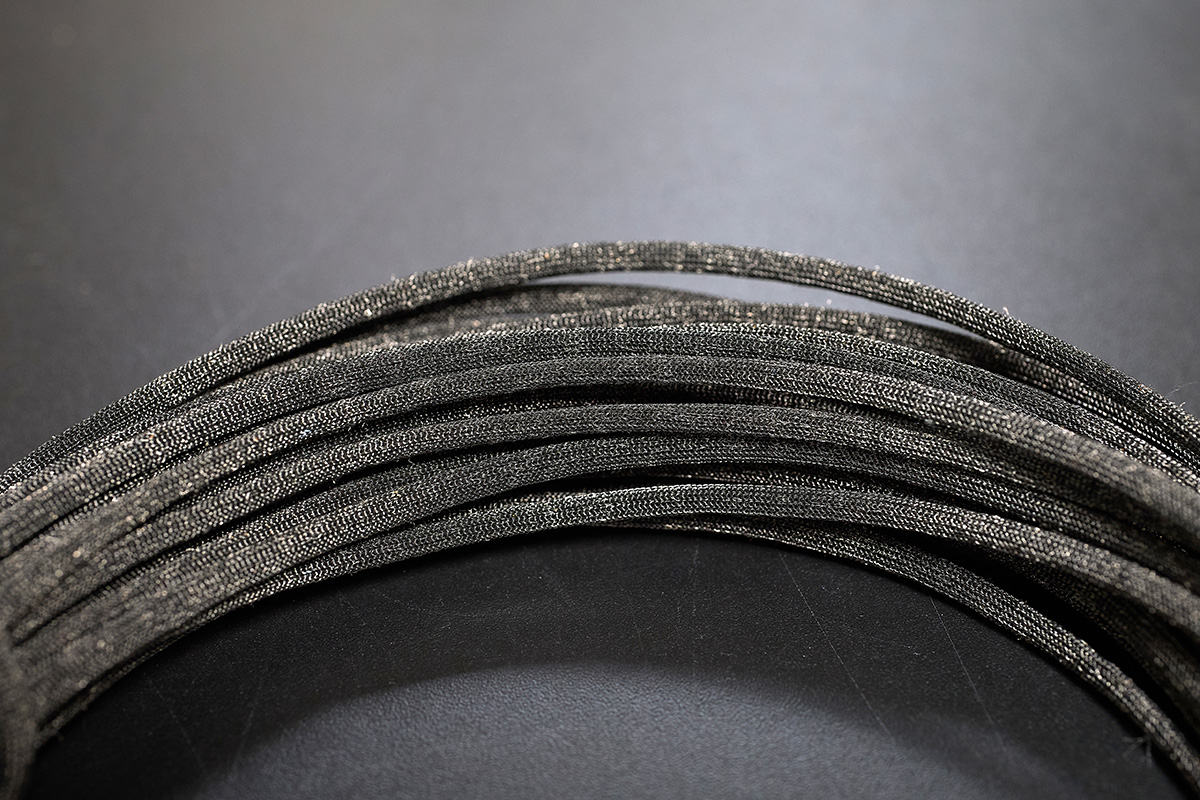
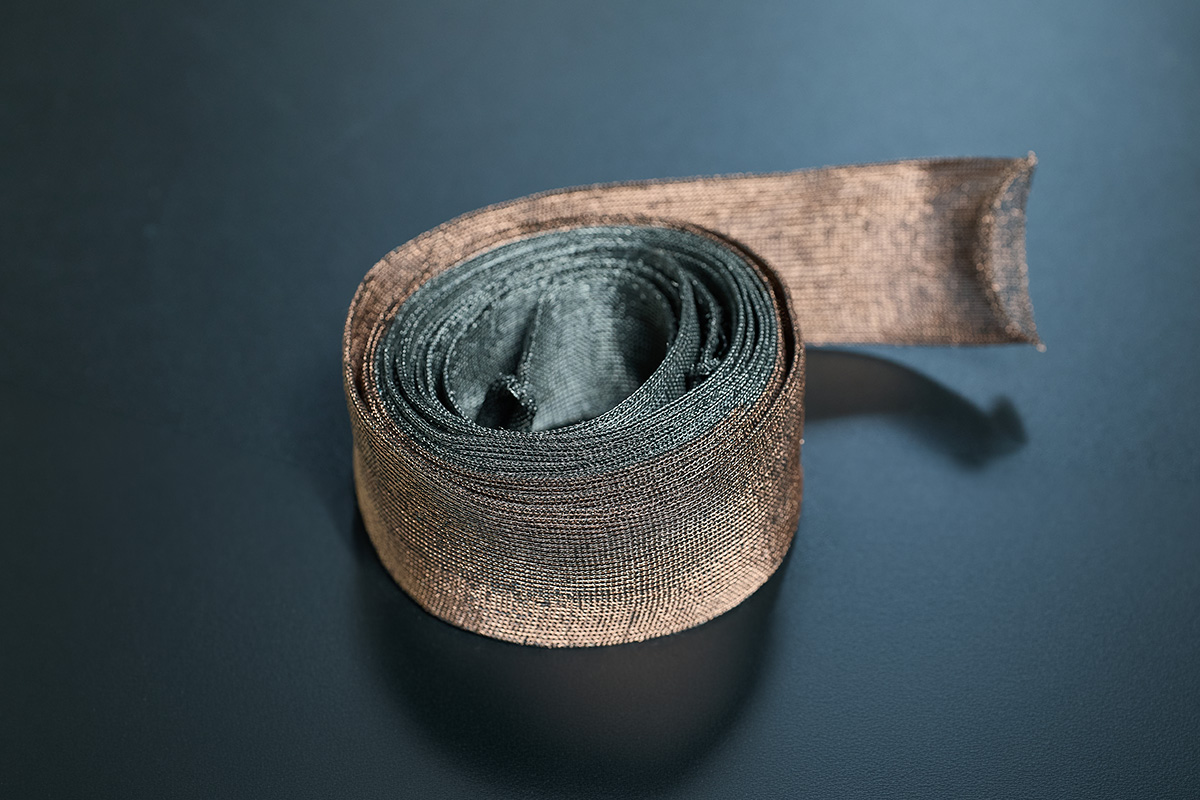
- Metals: e.g. copper, stainless steel, gold, and silver
- Technical Fibres: aramid fibres, glass fibres, basalt fibres, and carbon fibres
- High-Performance Polymers: polyester, polyamide (including recycled polyamide), PTFE, and UHMWPE fibres
- Cellulosic Fibres: viscose, modal, lyocell, and PLA
- Natural Fibres: cotton, merino wool, silk, linen, hemp, and others
- Specialty Materials: including ceramic fibres and customised material combinations for specific applications
Functional Properties:
- flame-retardant / non-combustible
- water-repellent / absorbent
- tear-restistant / durable
- elastic / dimensionally stable
- breathable / quick-drying
- UV-resistant / electrically conductive
Depending on the material, construction, and intended application, a wide range of additional functional properties can be achieved.



Production & Machinery

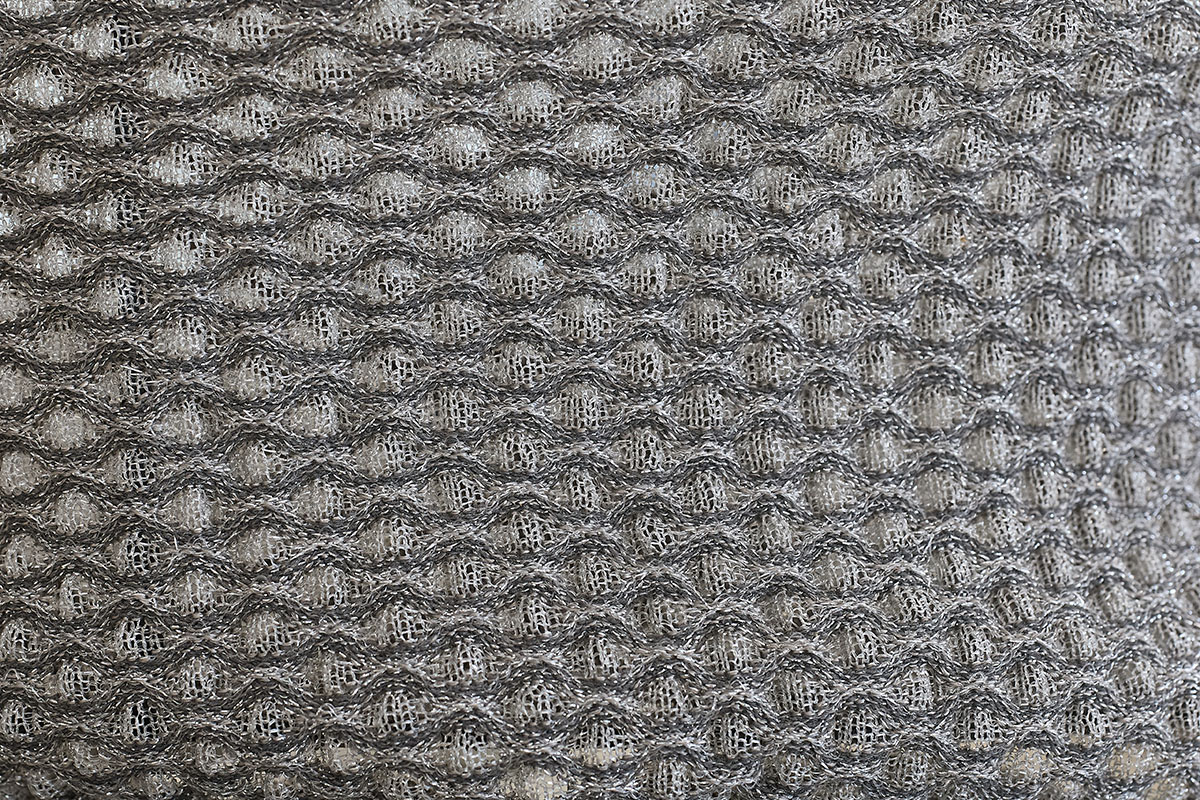
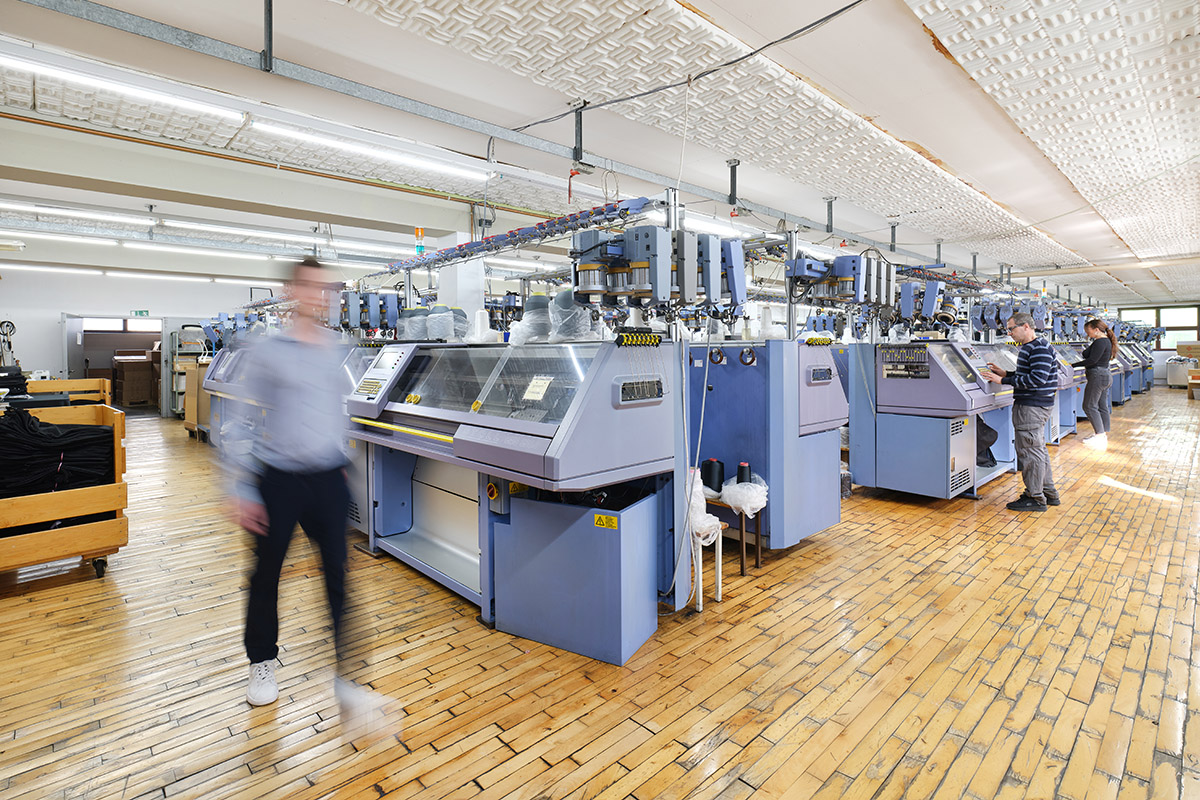
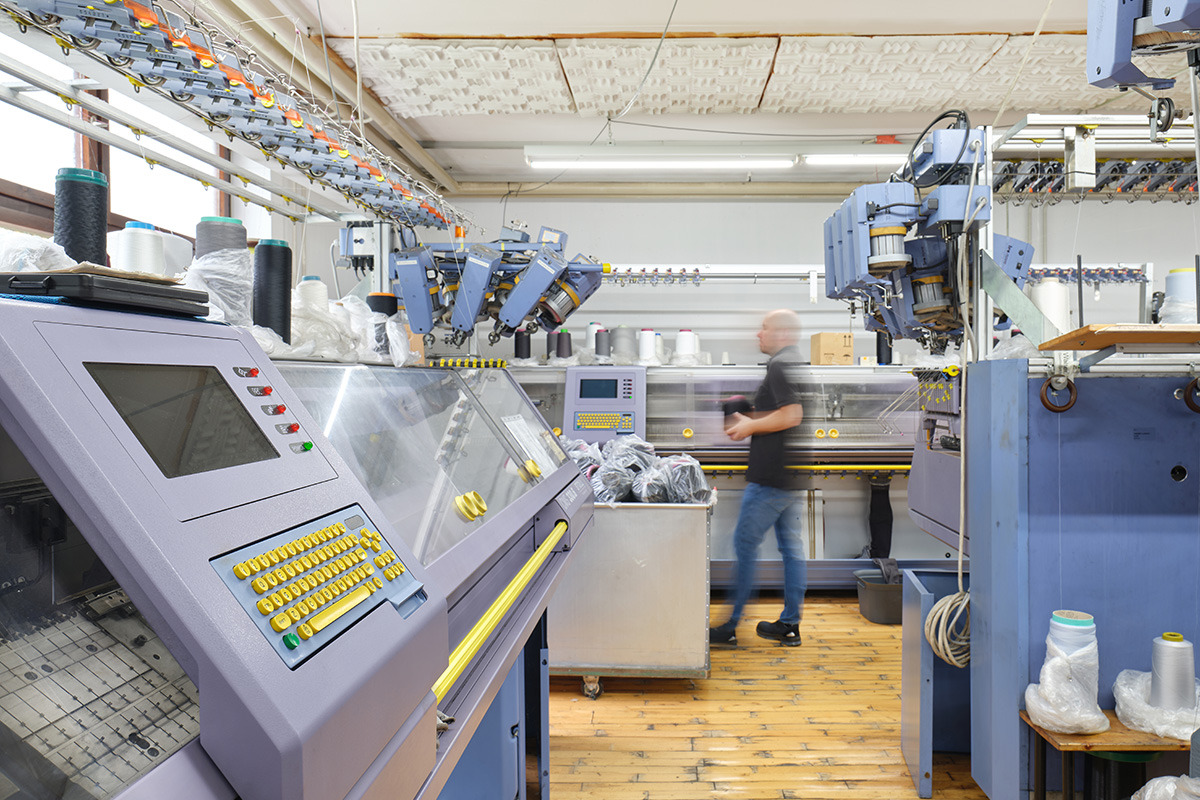
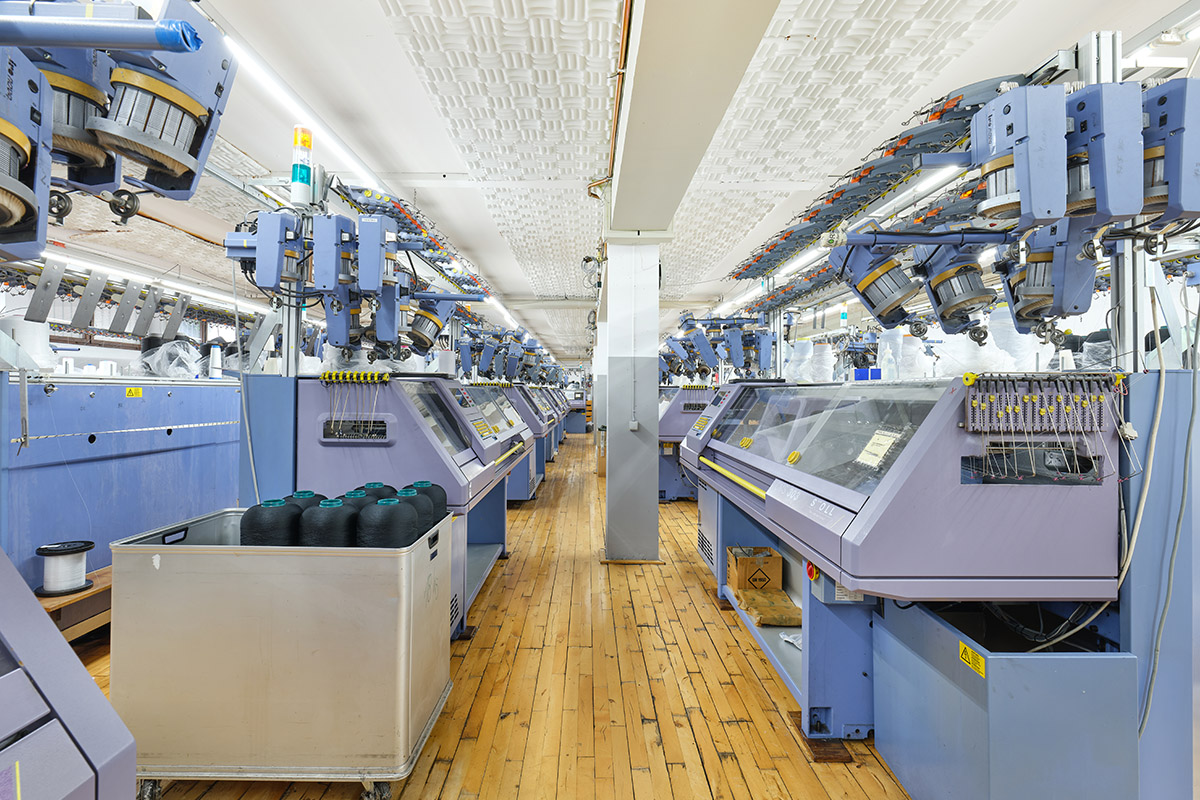
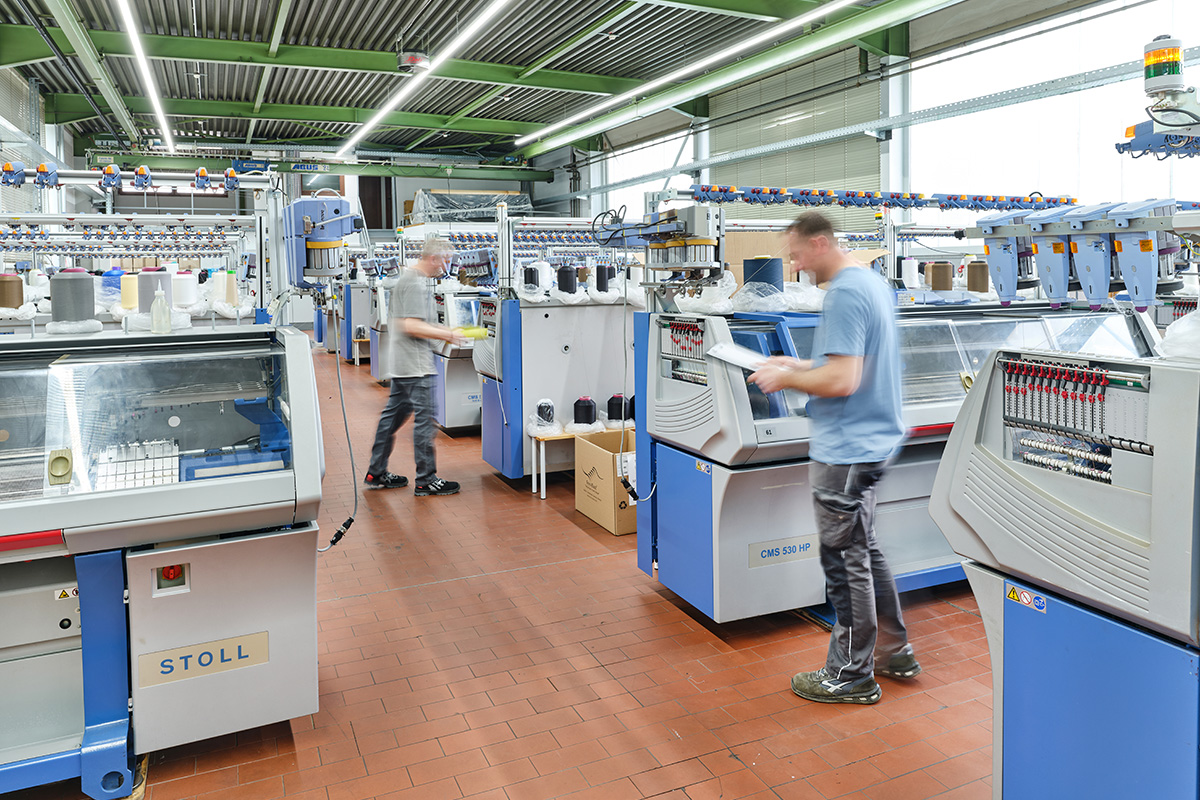
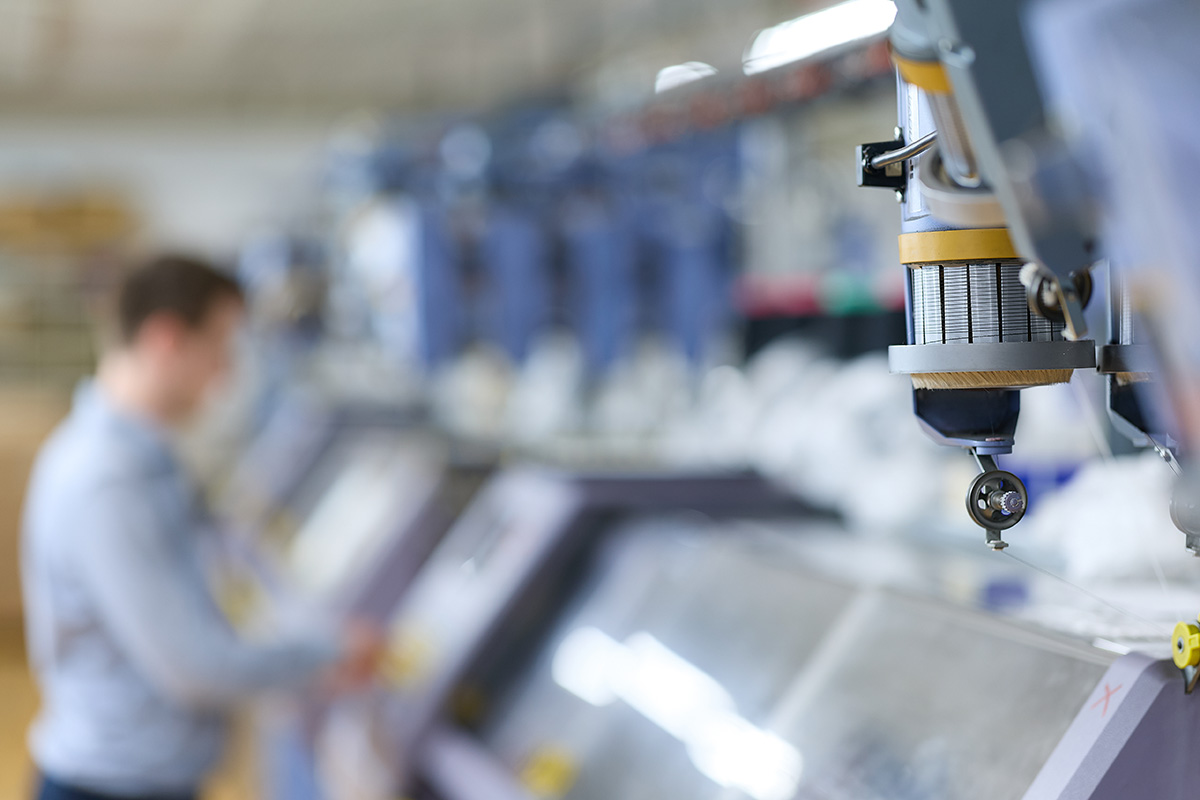
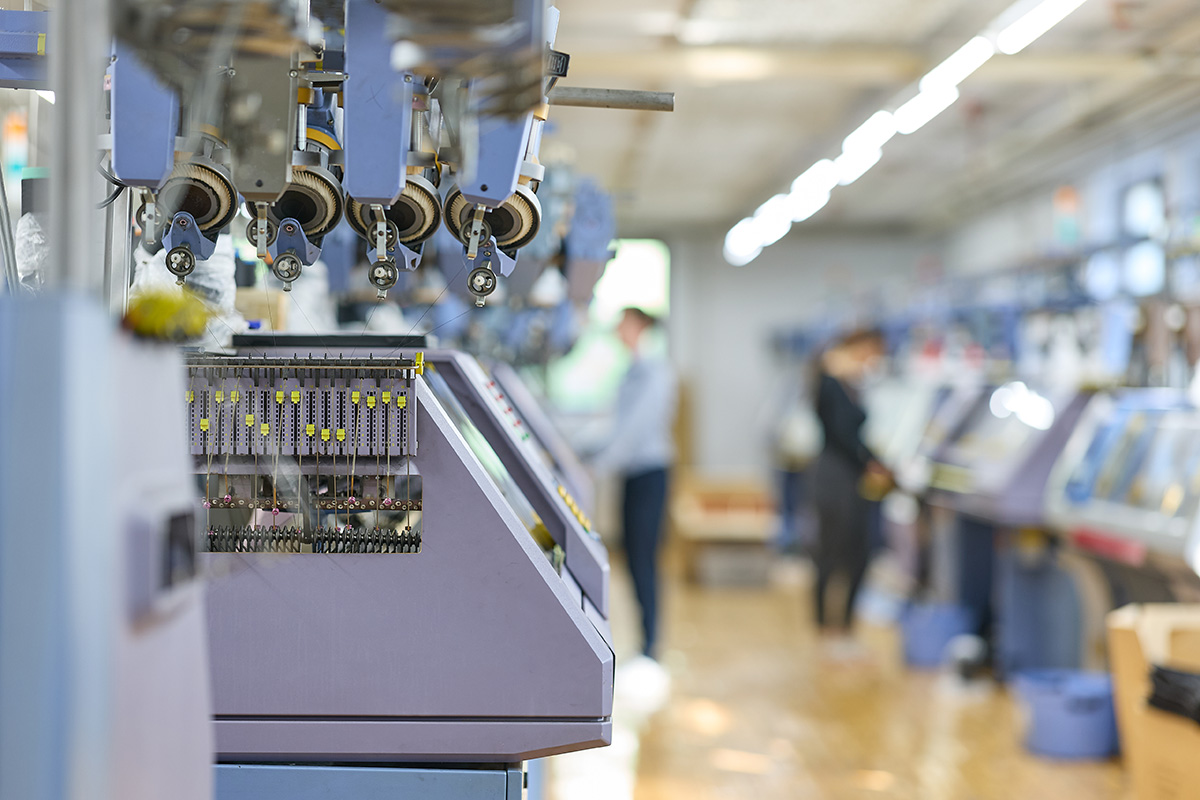
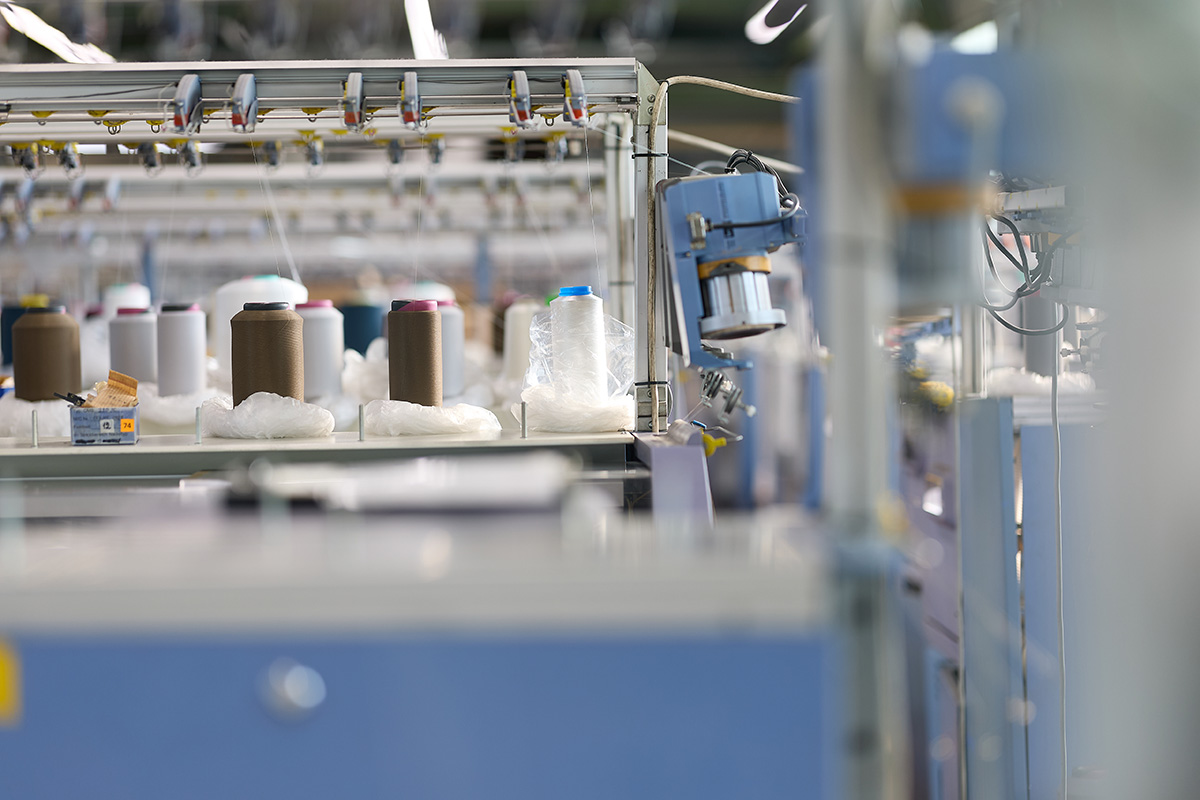
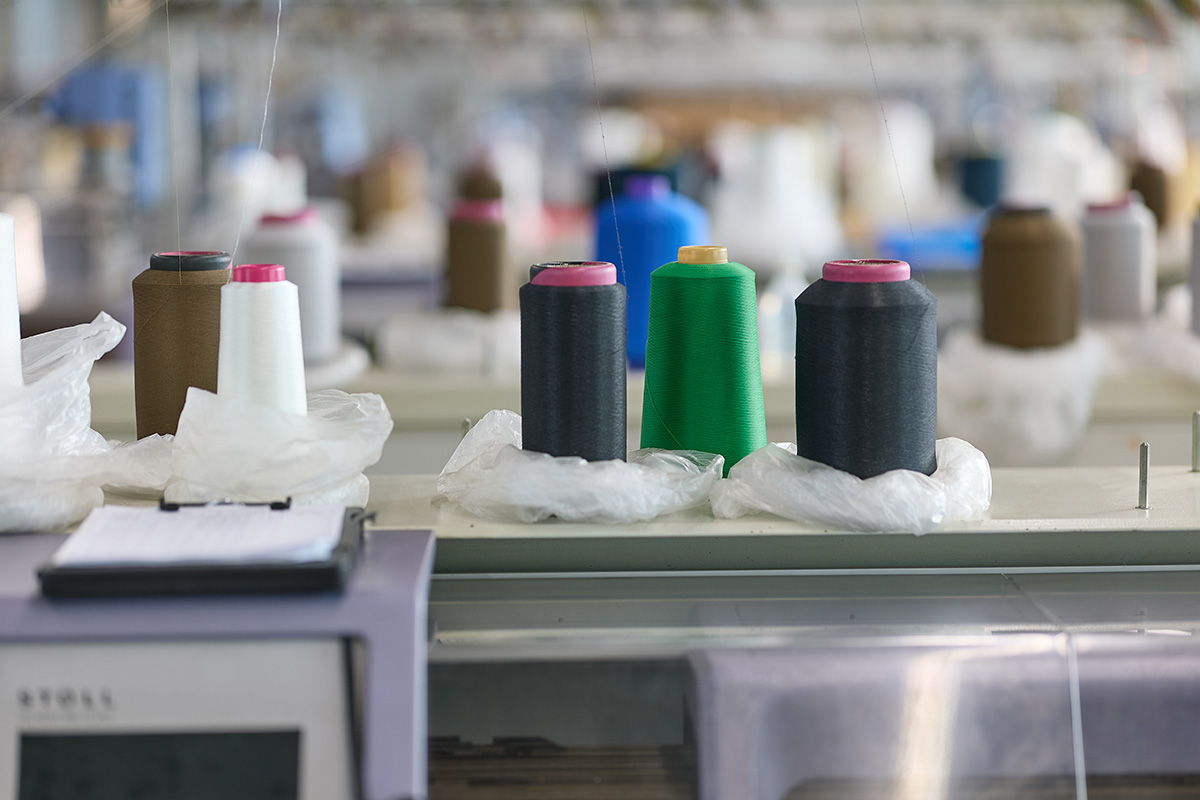
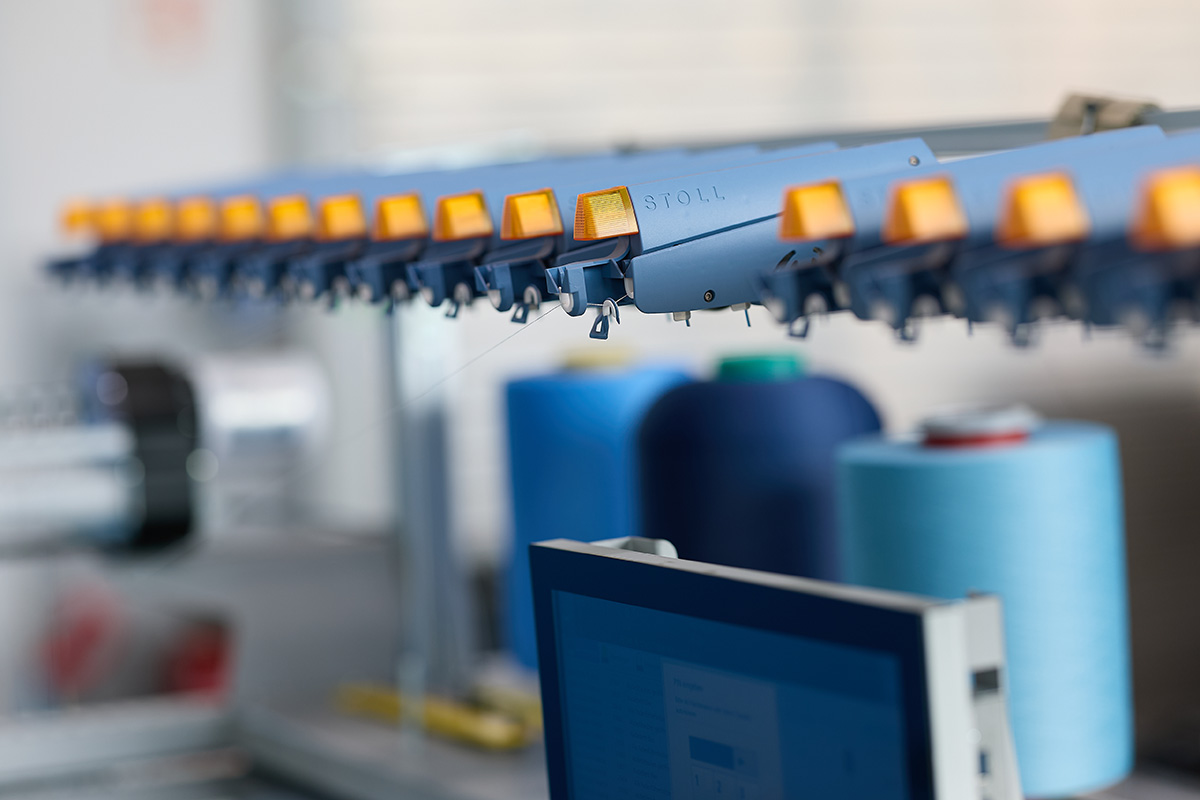
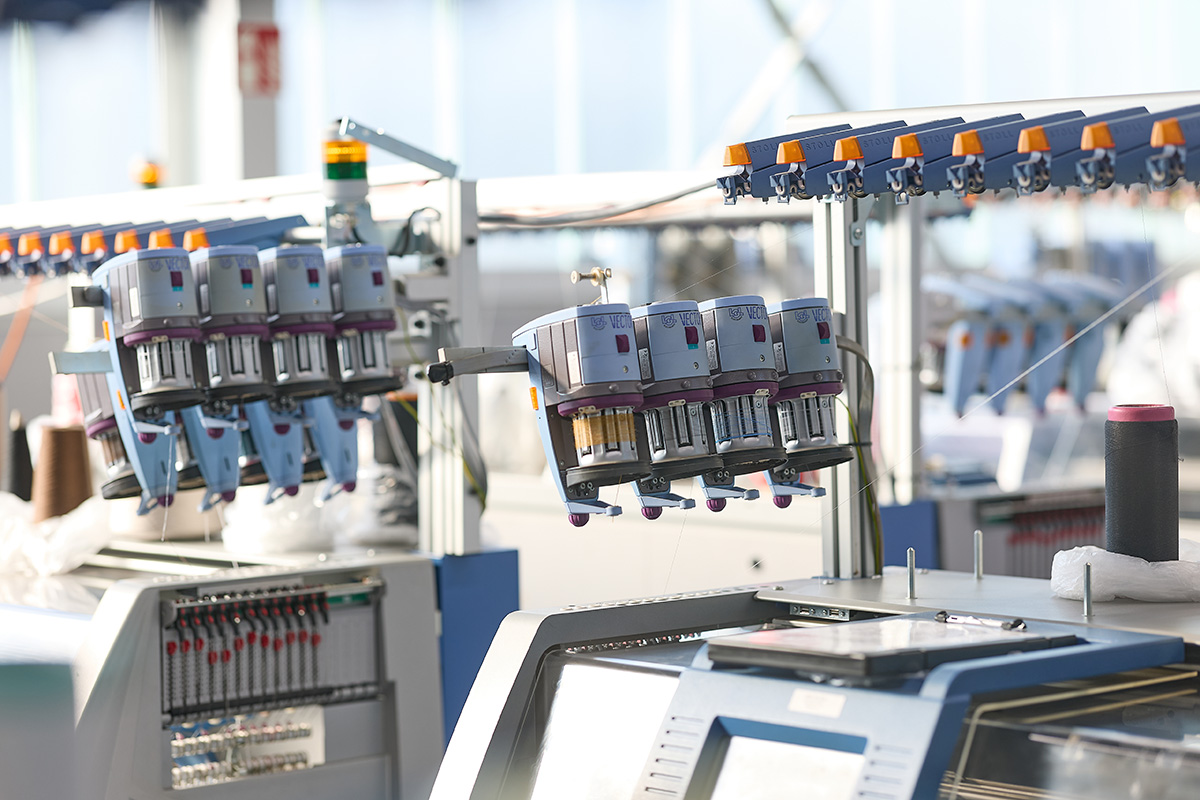
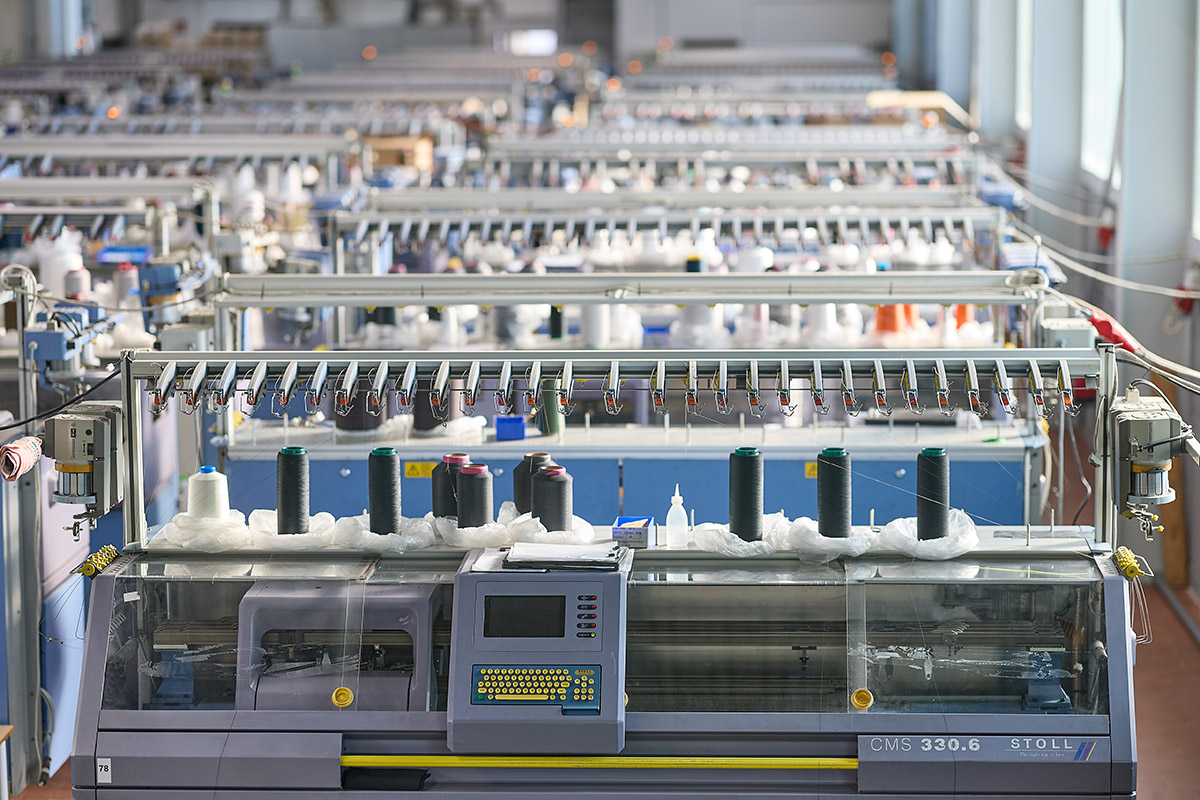
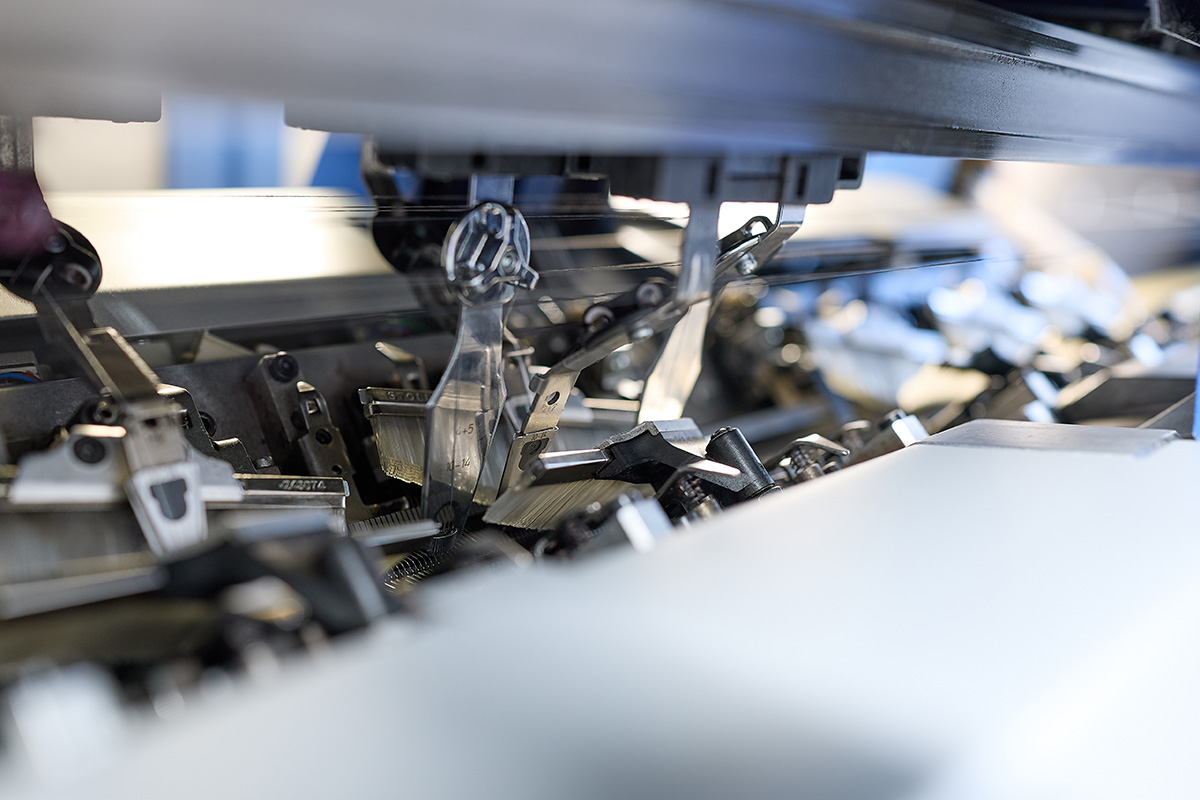
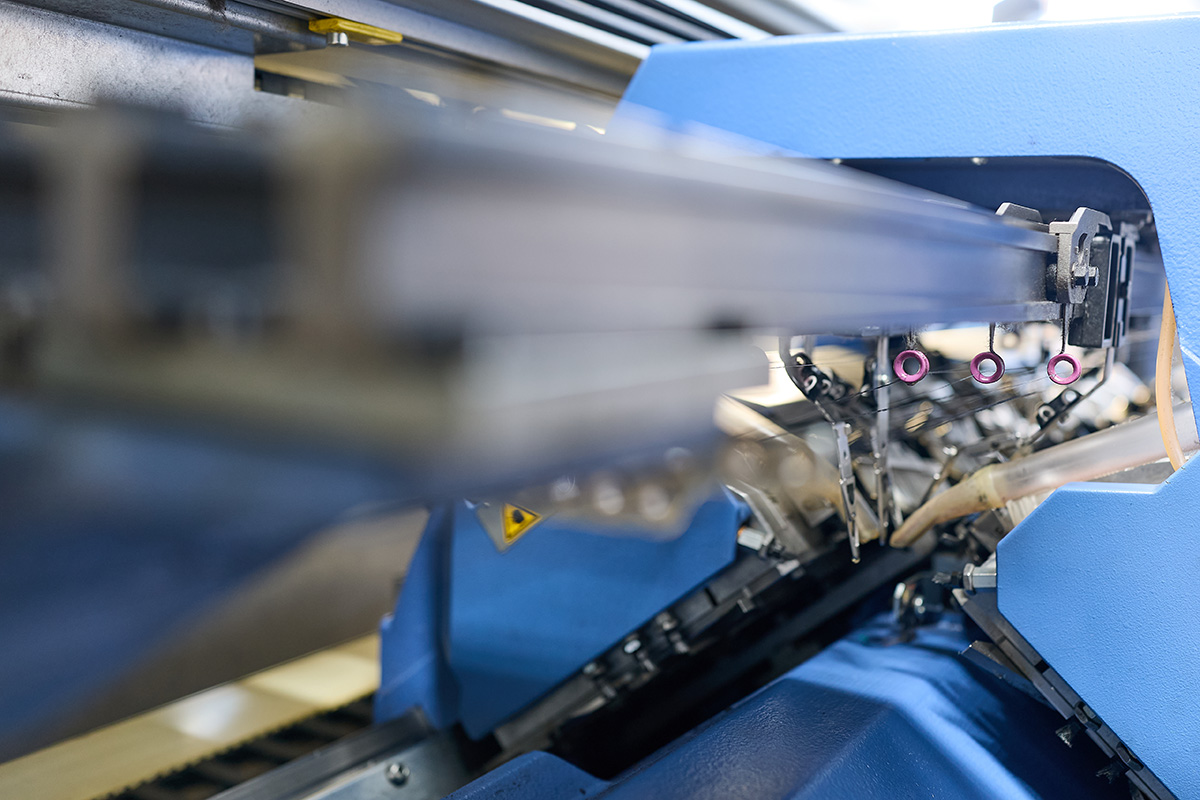
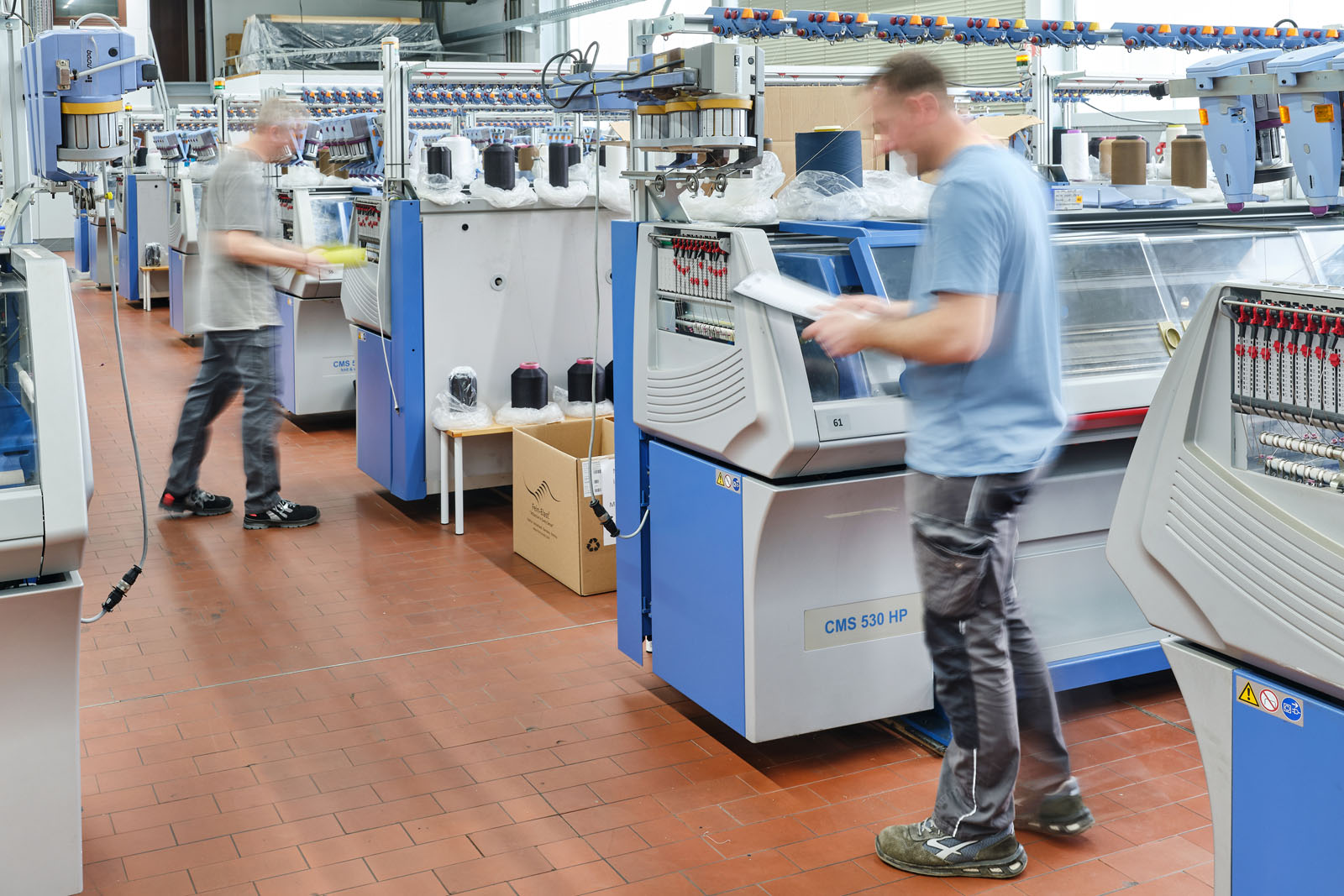
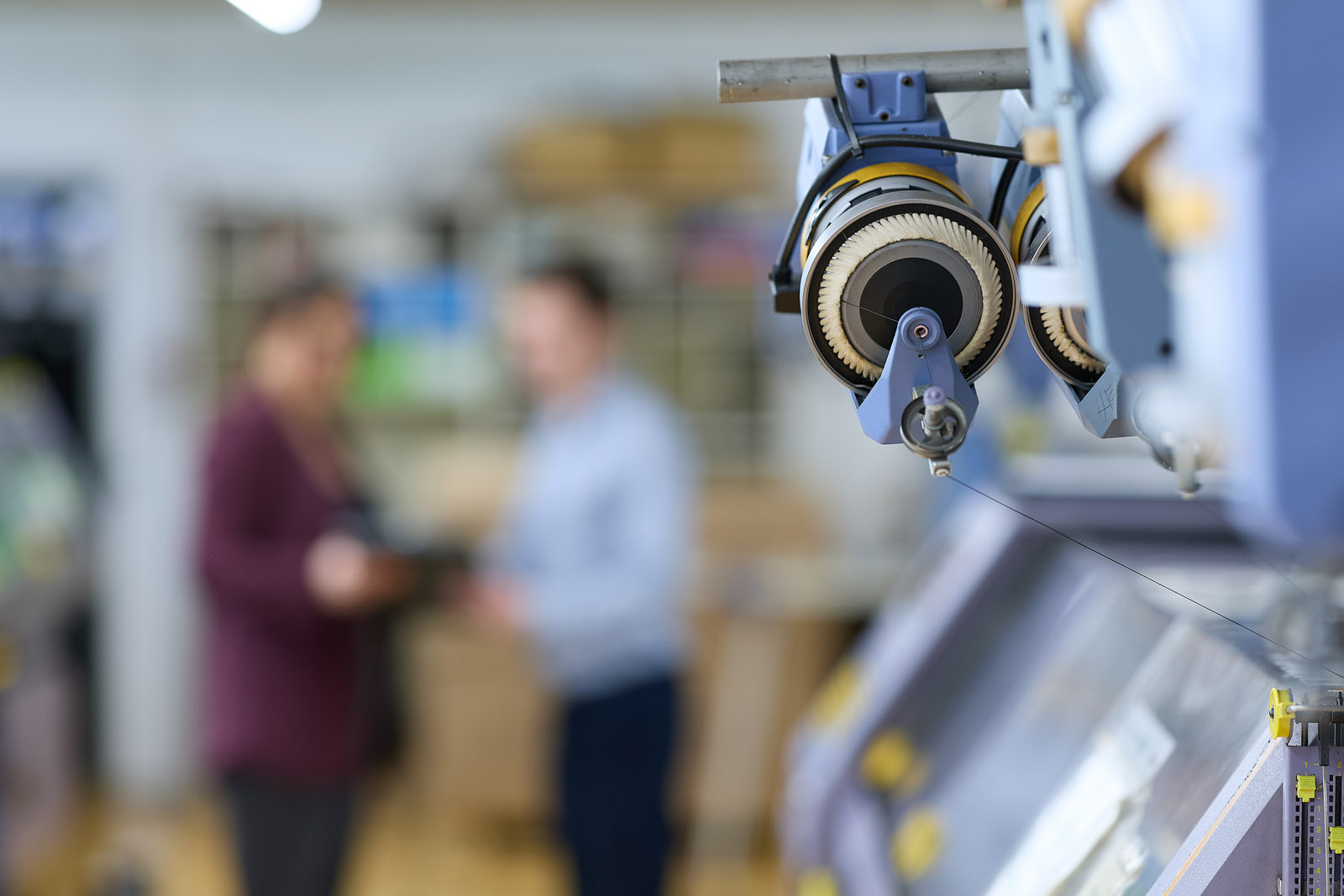
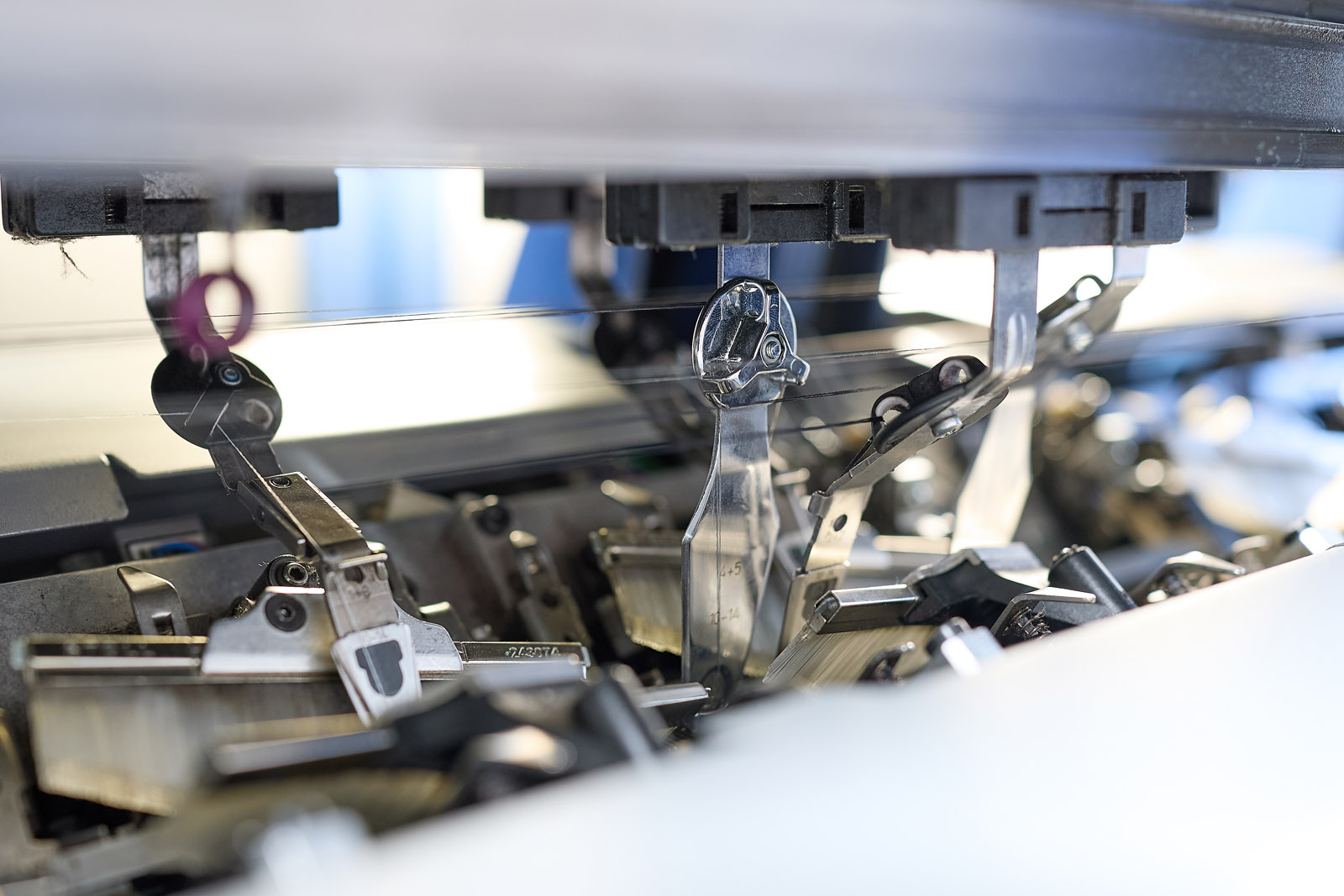
Our production facilities are equipped with state-of-the-art machinery. We currently operate more than 80 knitting machines, covering gauge ranges from E3 to E18 – from coarse to ultra-fine knit structures.
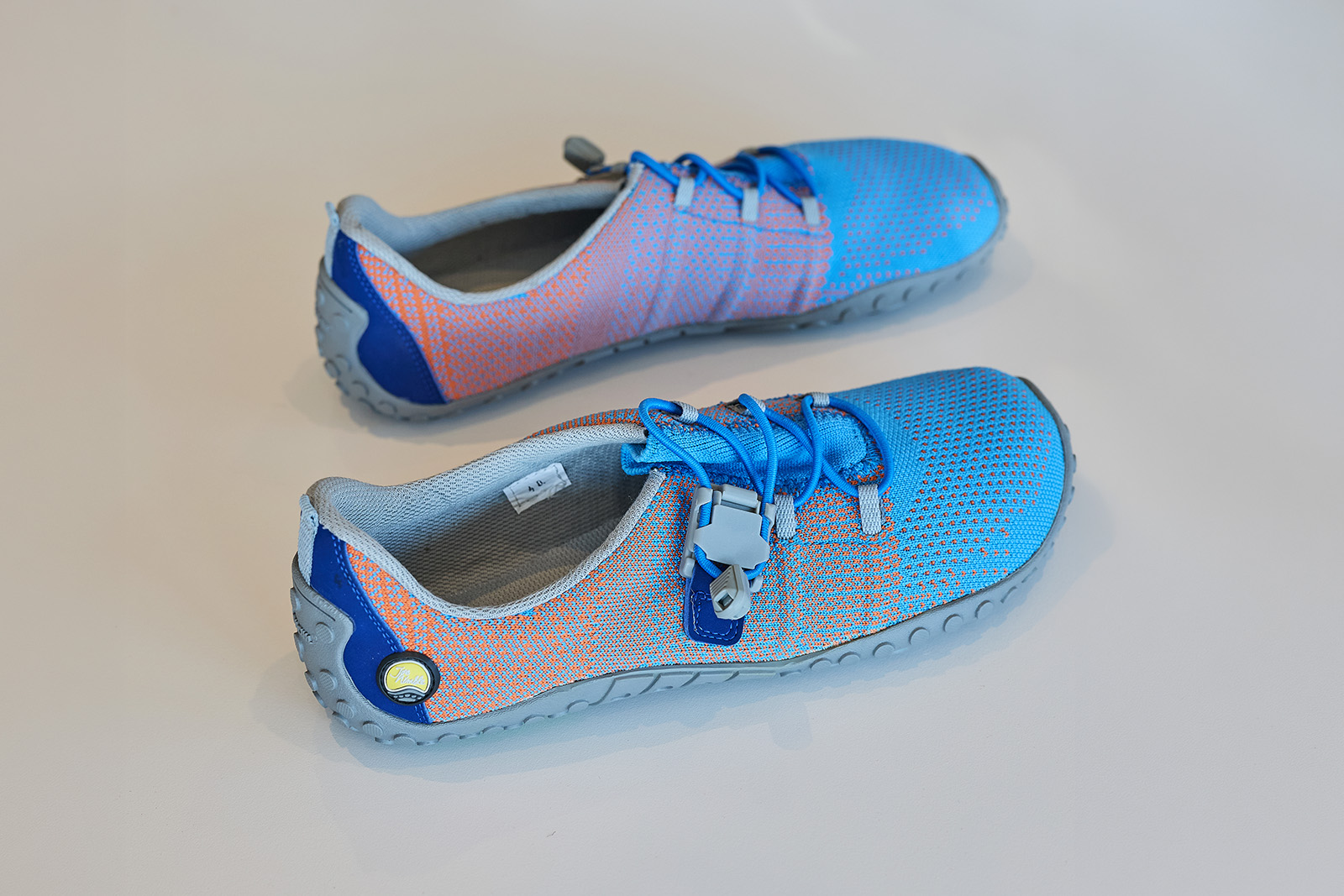
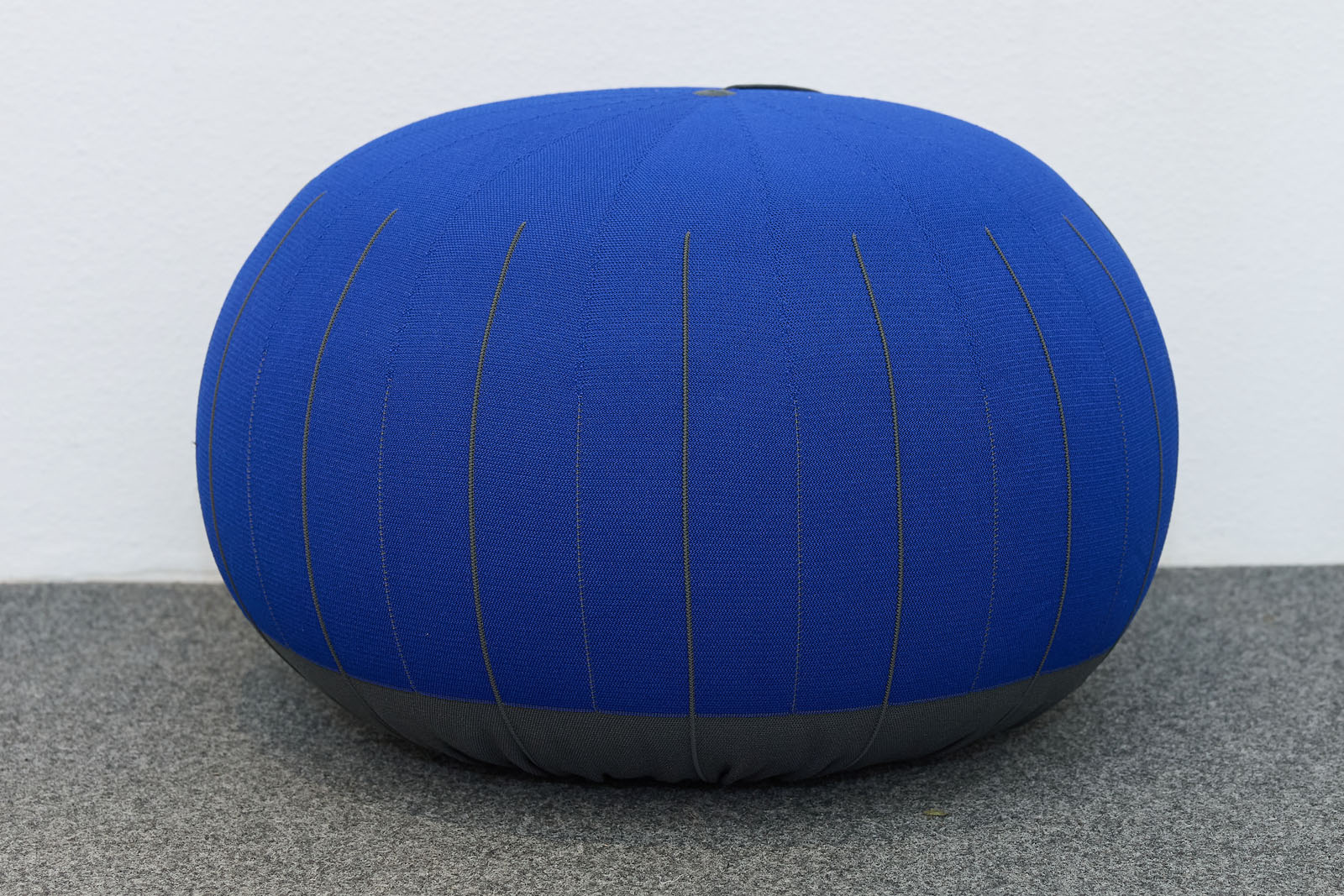
Depending on the application, we use a variety of knitting technologies, including fabric production, fully fashioned (2D) knitting, and knit-and-wear (3D) manufacturing. This enables us to produce both precision flat-knitted fabrics and seamless, fully finished components such as furniture covers.
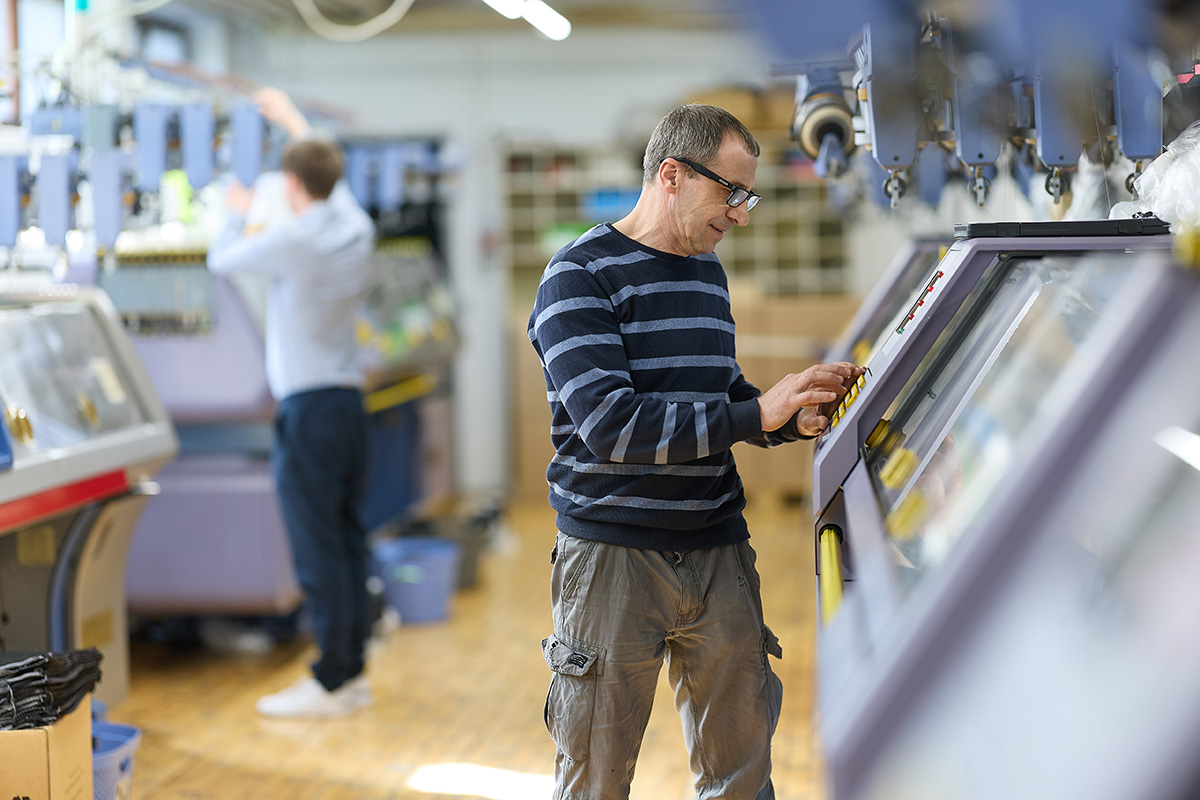
Our digitally connected production environment ensures short changeover times and consistently high quality. All standard yarns used in our production comply with the OEKO-TEX® Standard 100.
Finishing

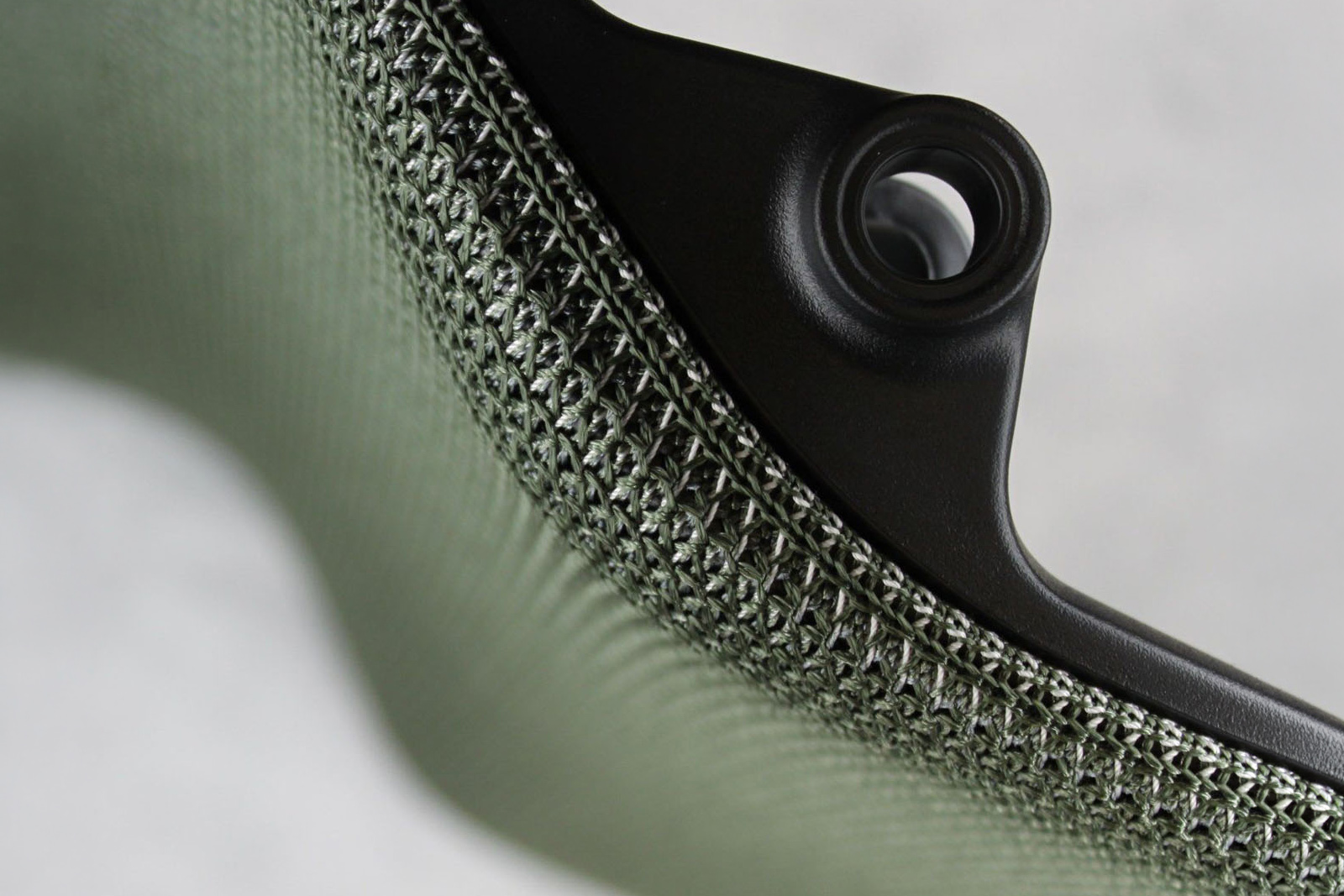
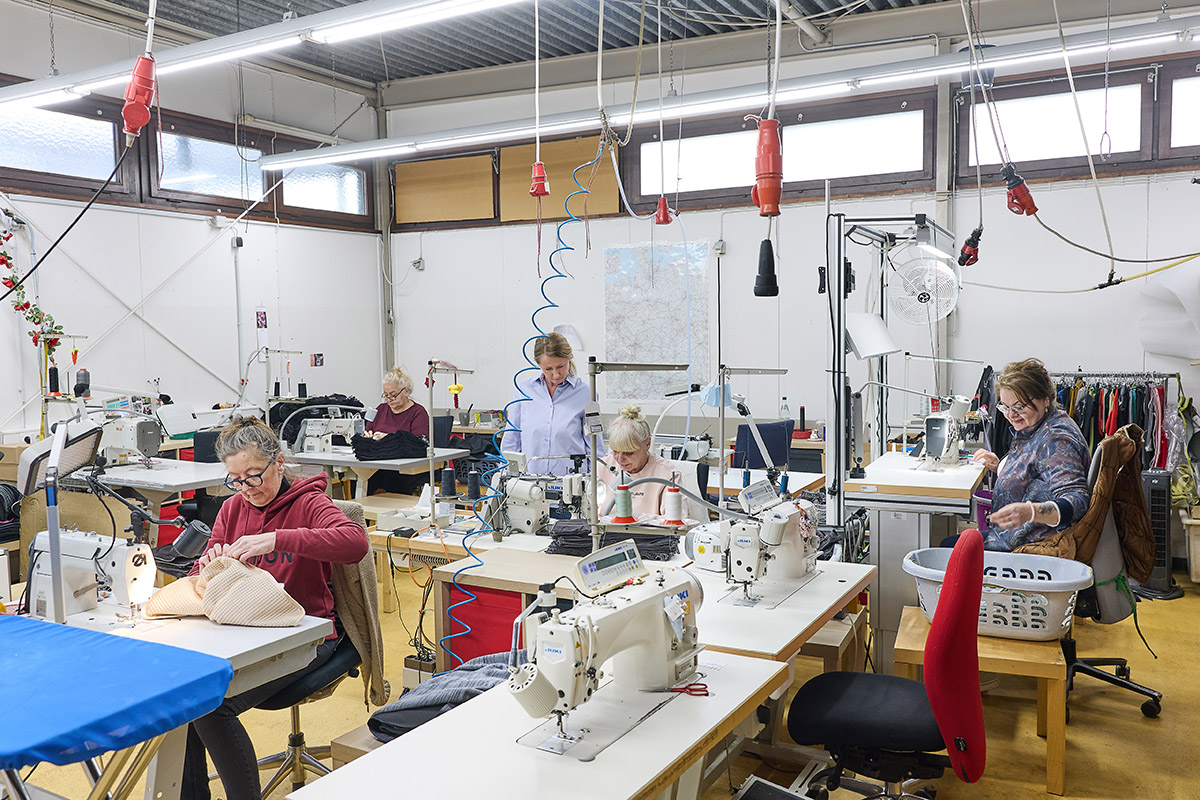
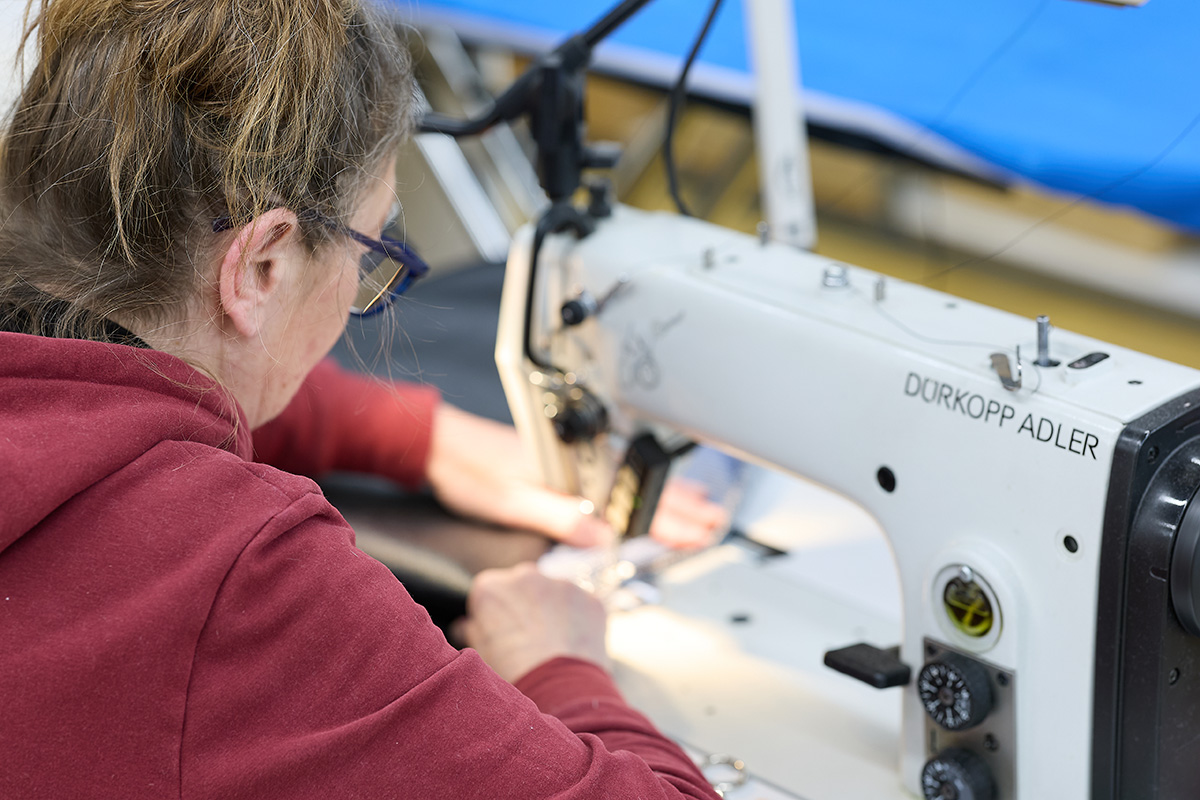
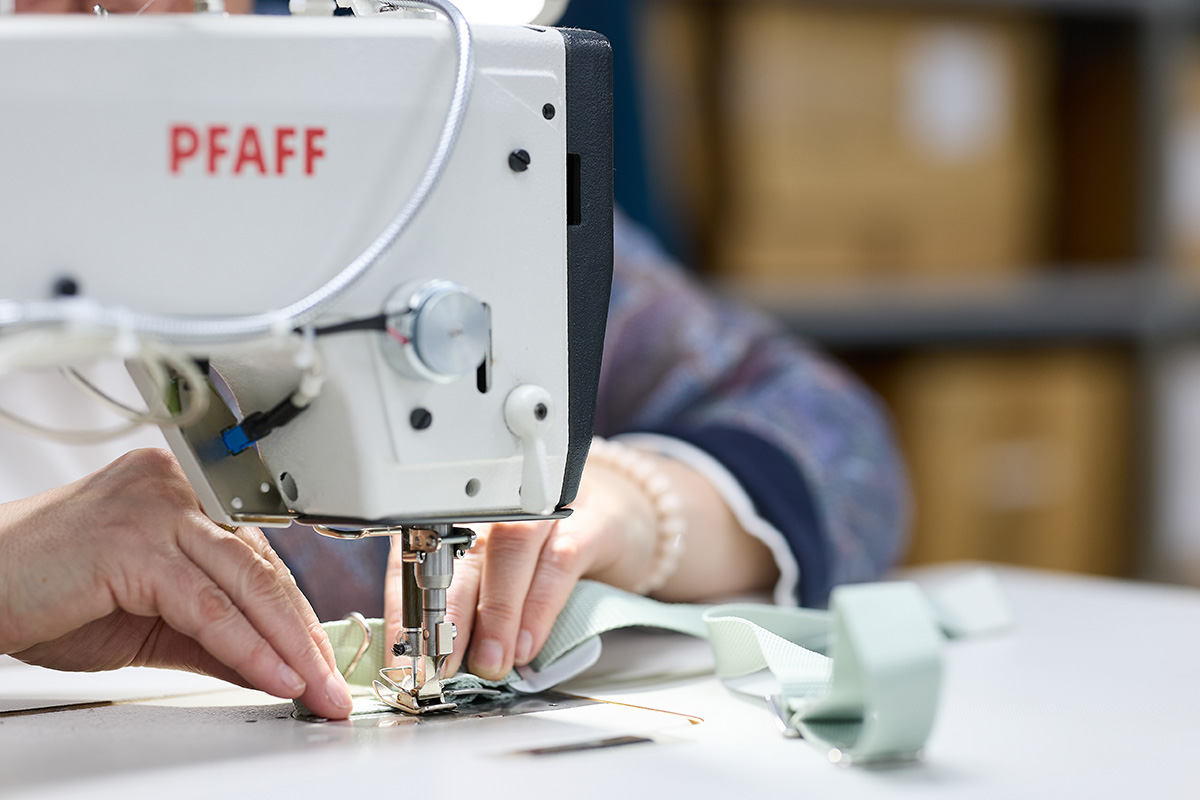
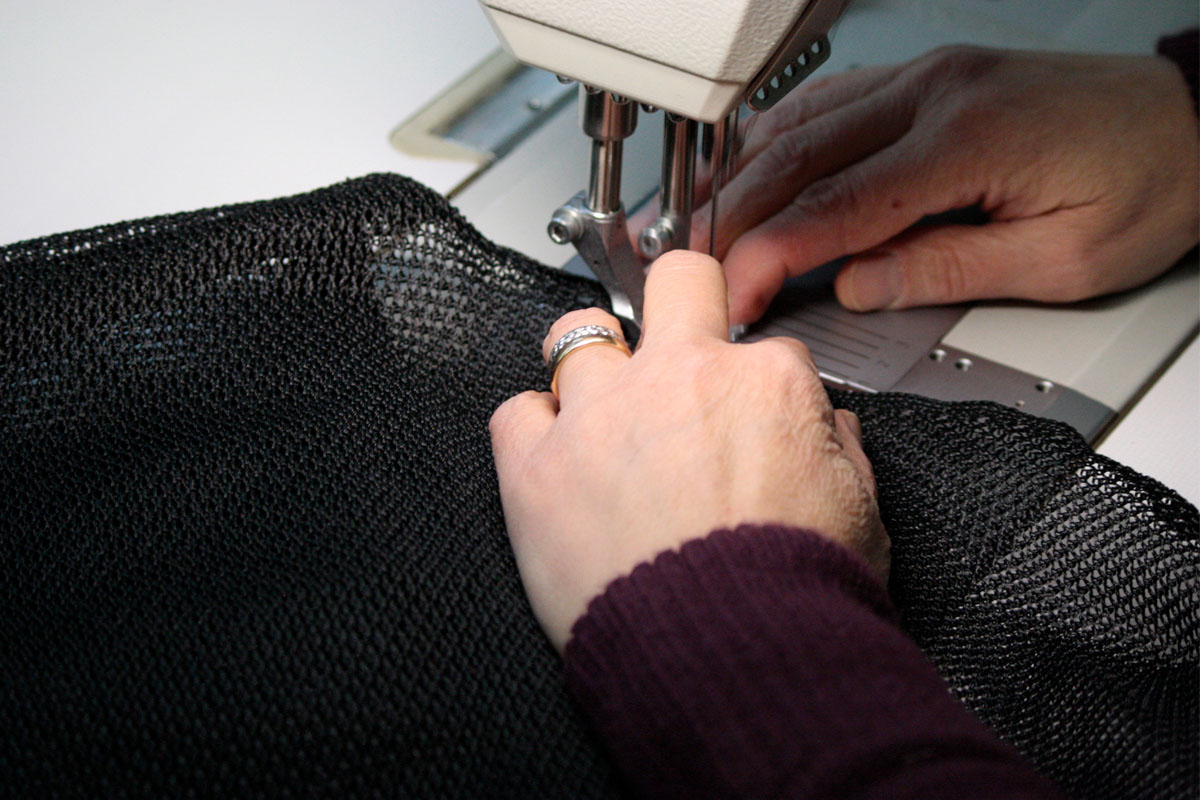
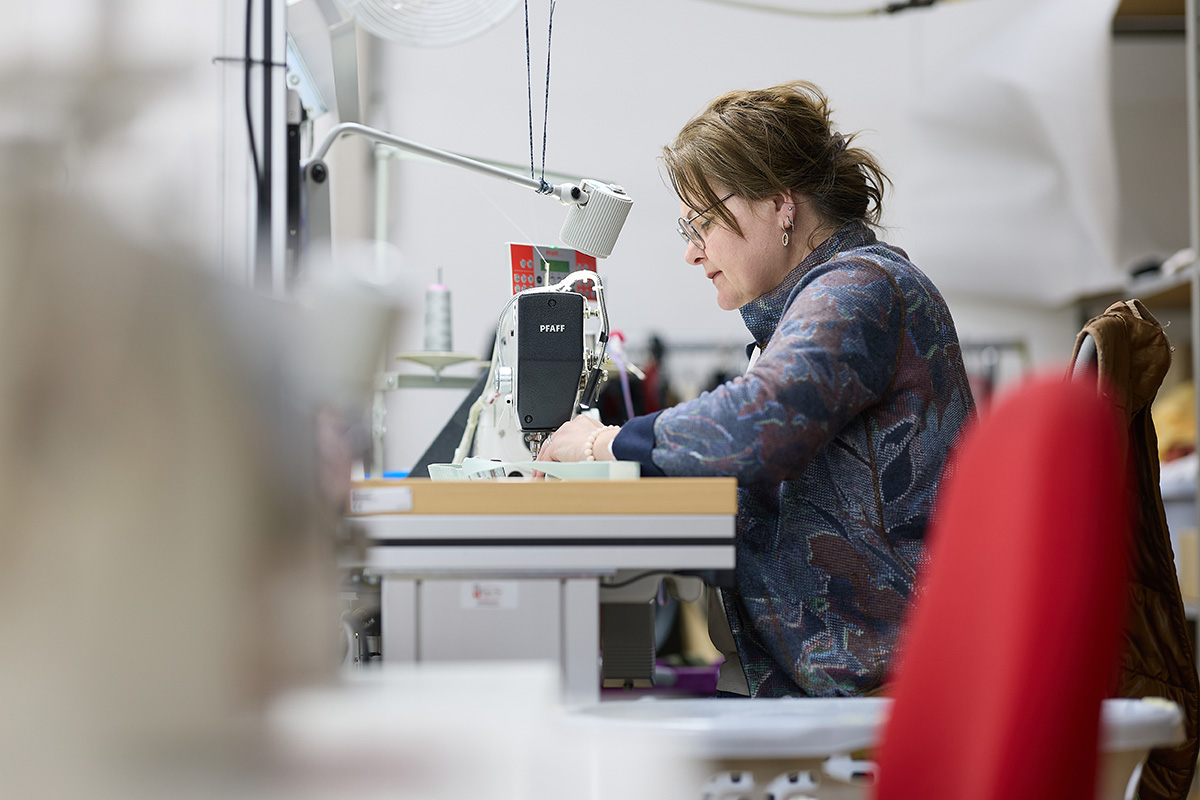
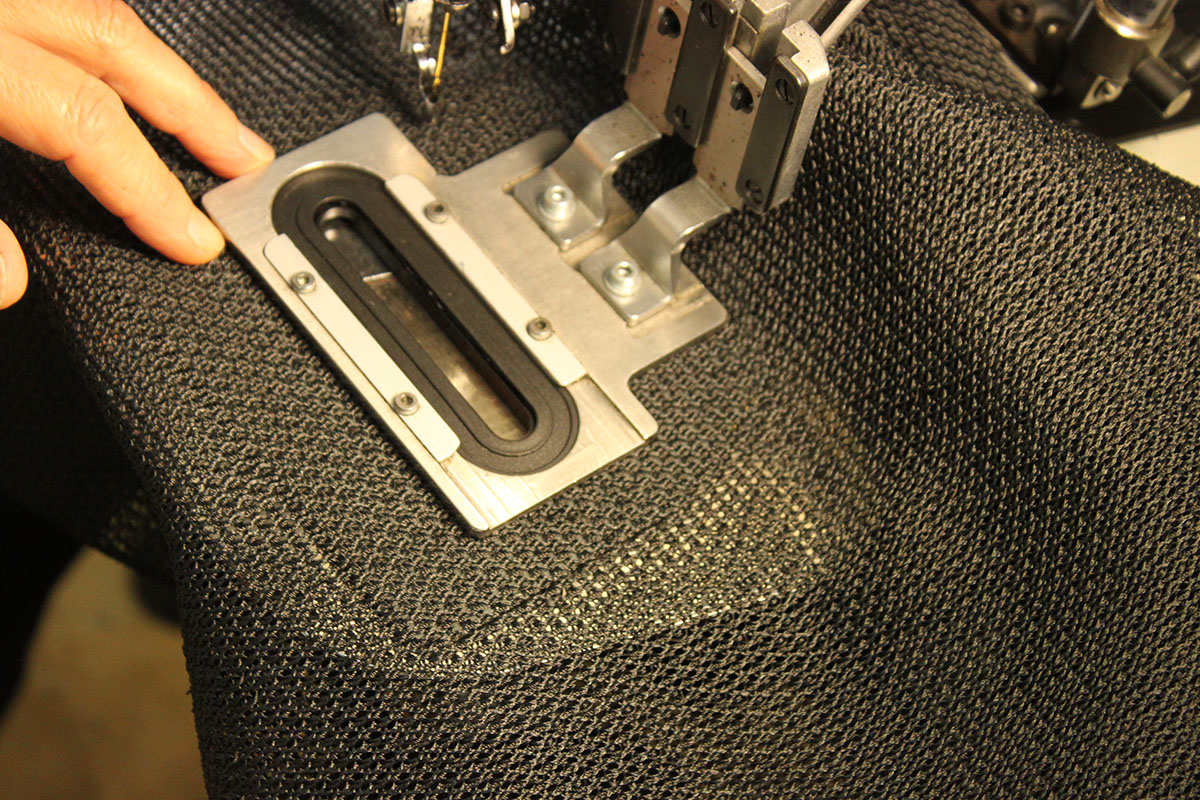
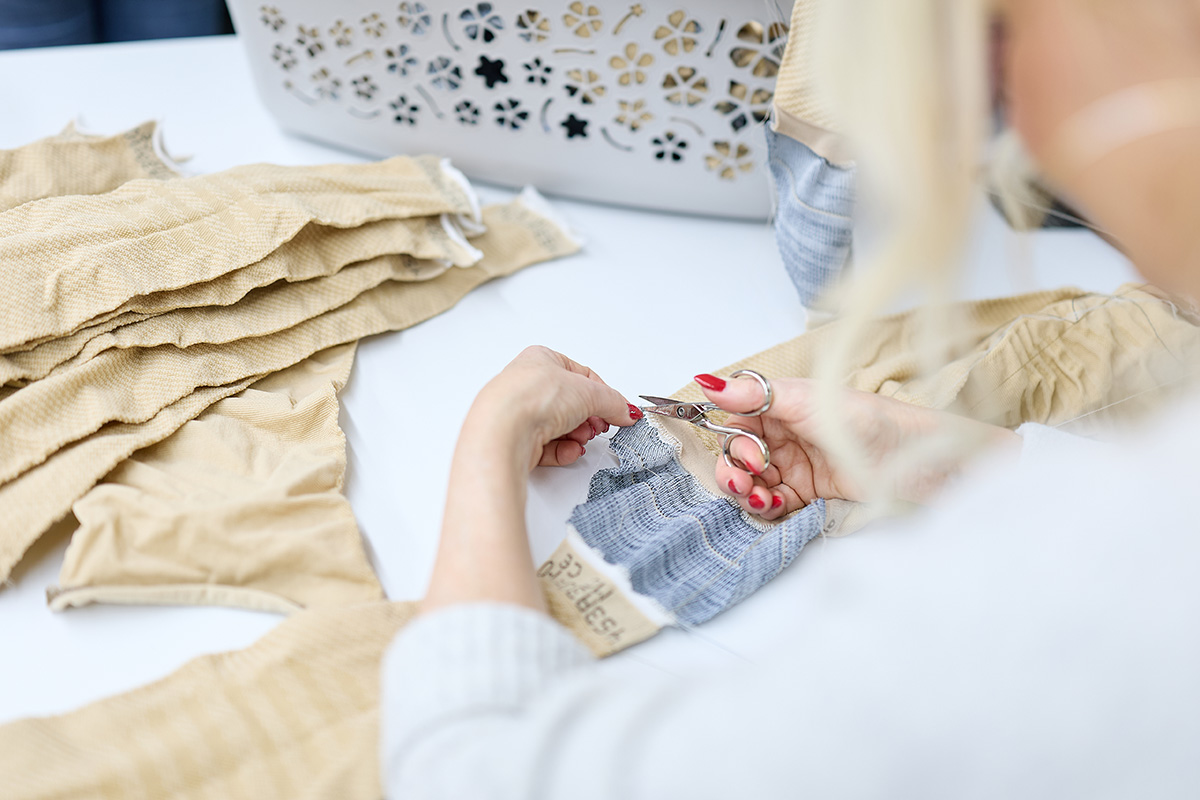
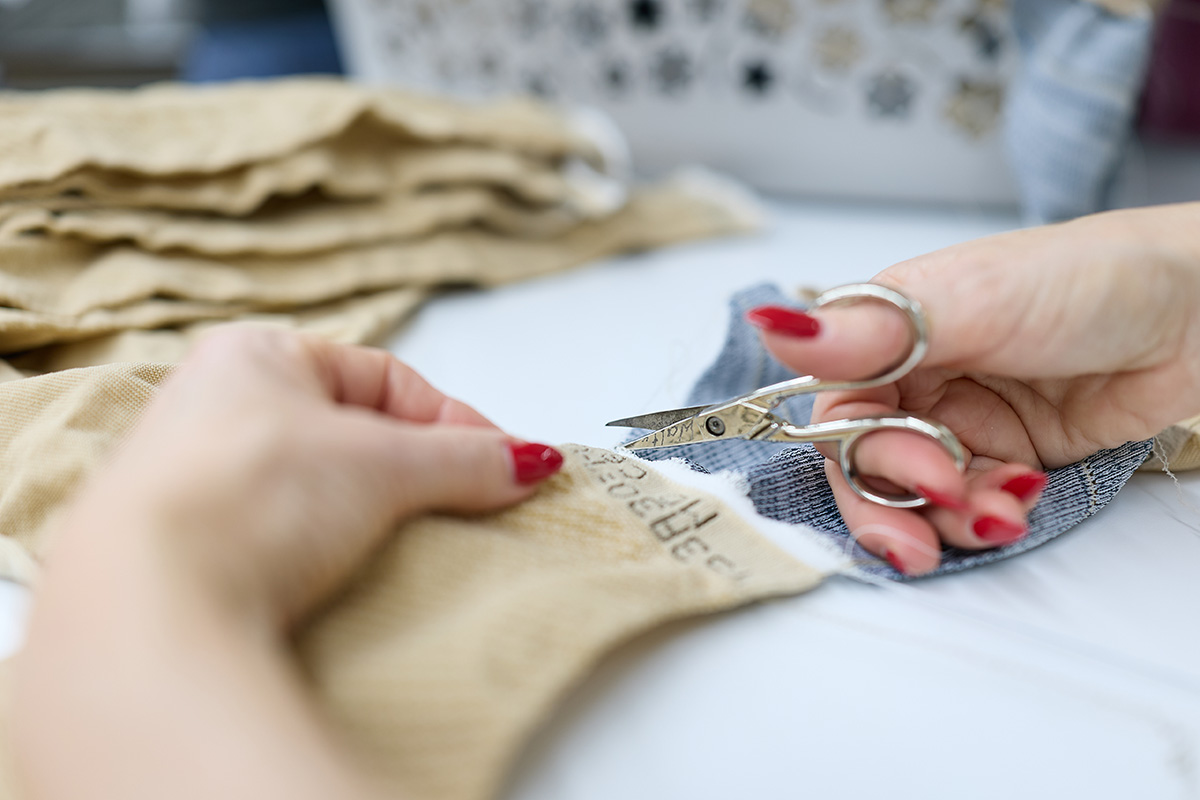
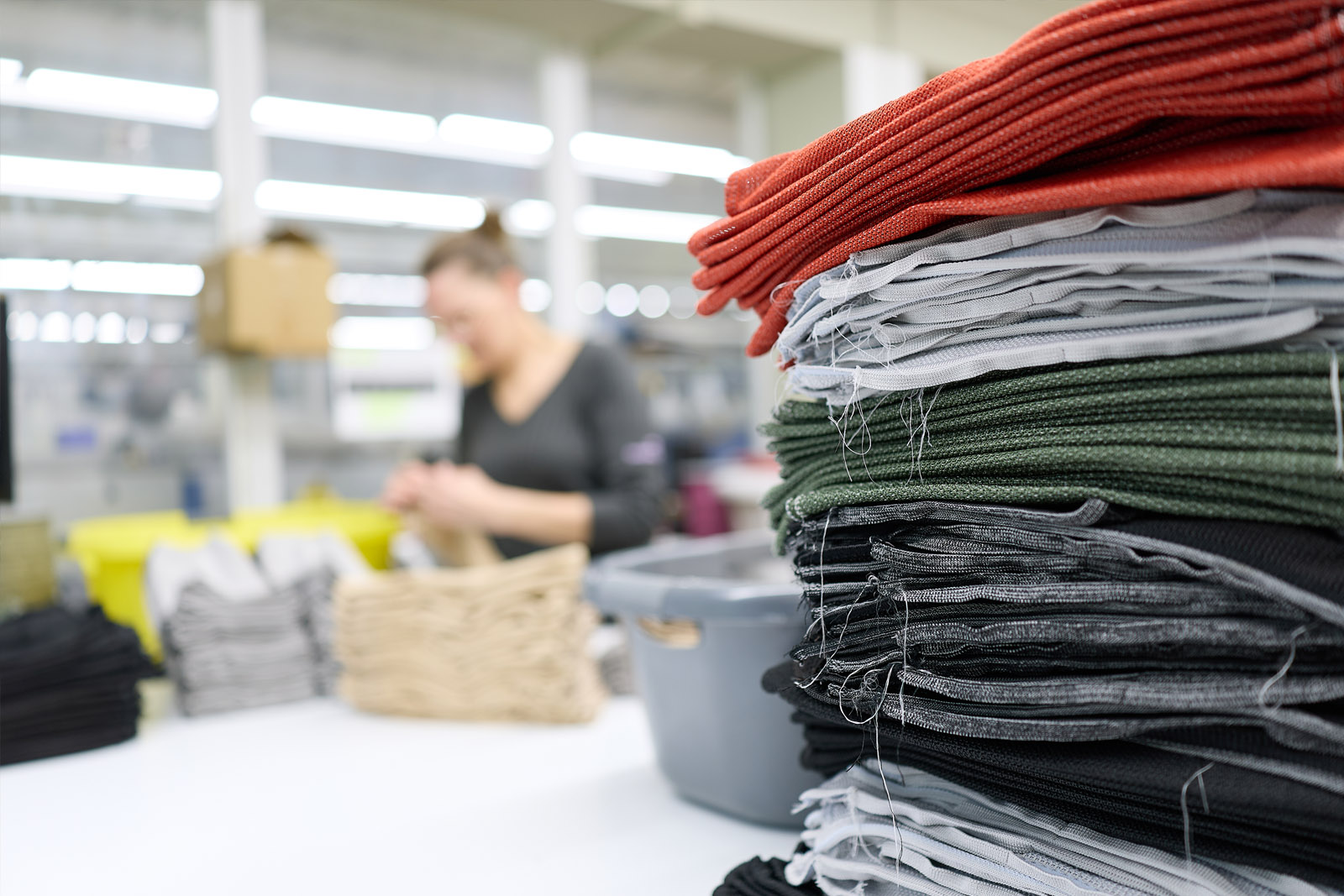
In our finishing and assembly department, we work with specialised sewing machines and automated sewing systems from leading manufacturers. This enables us to integrate additional components such as plastic or leather parts, zippers, tapes, and cords precisely into the knitted fabric.
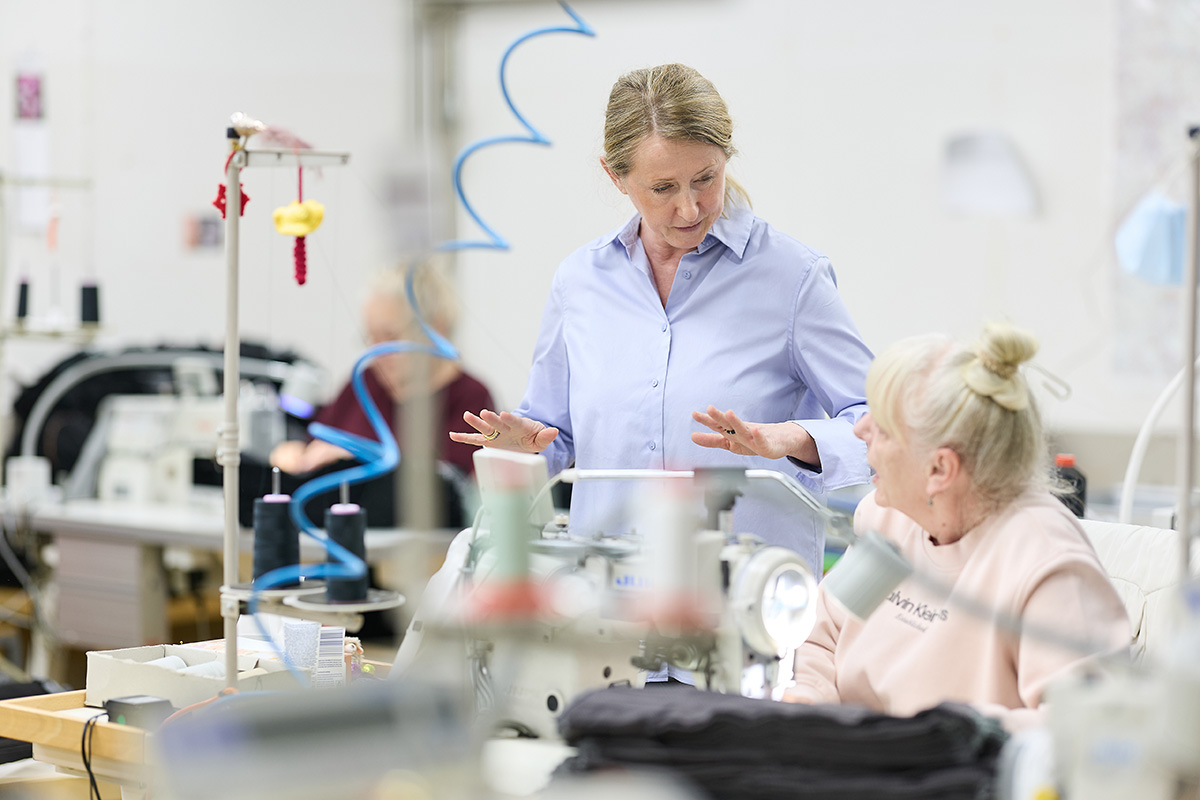
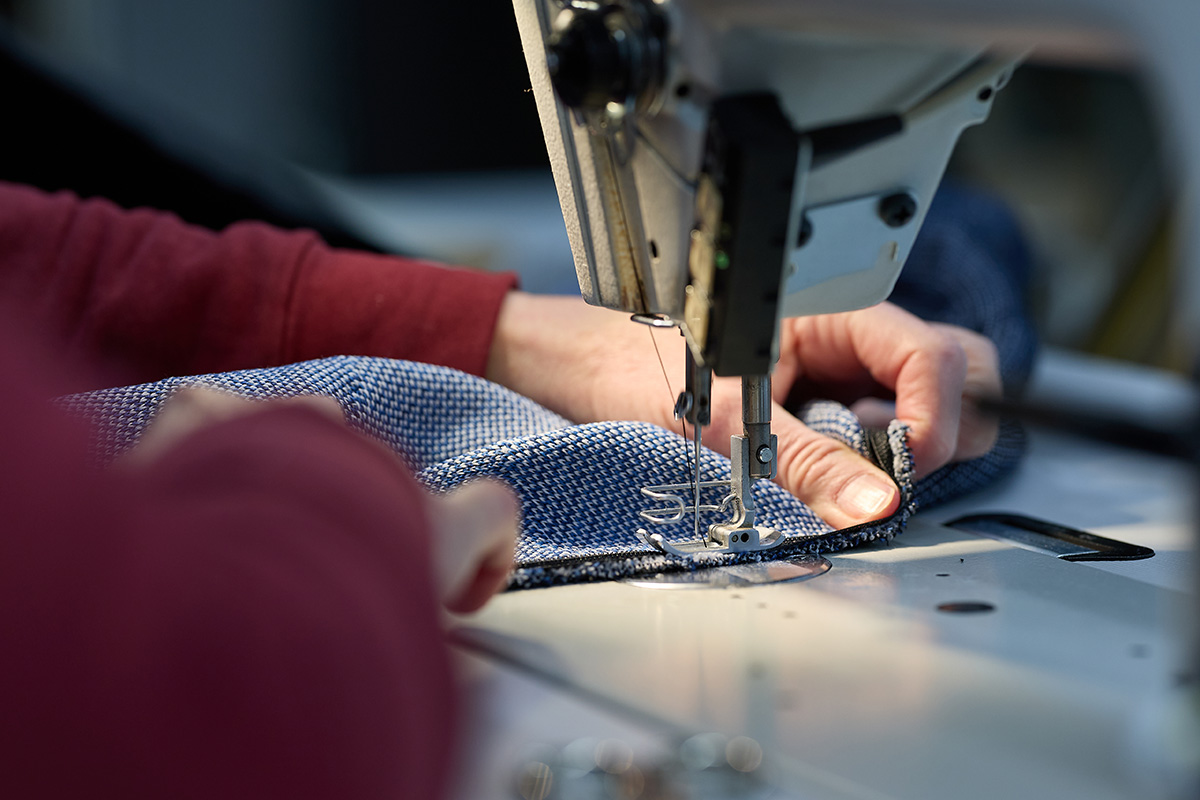
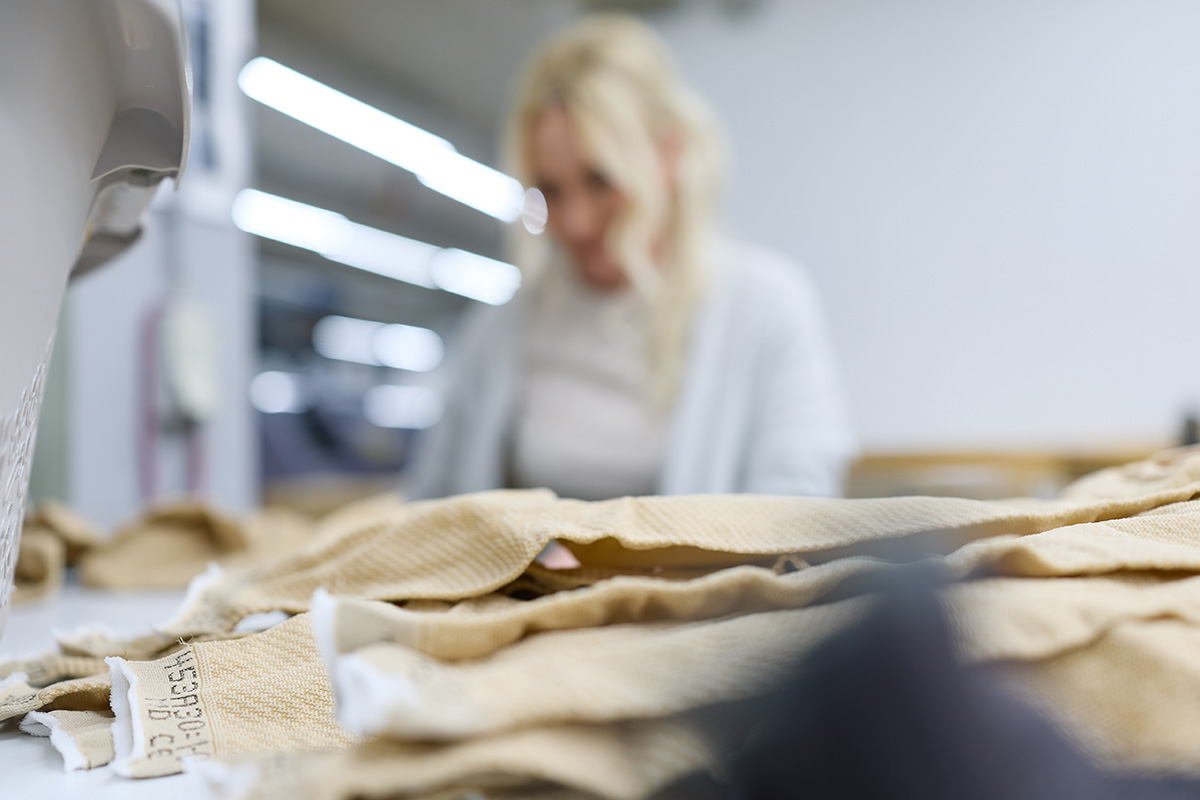
Our skilled sewing specialists are experienced in processing technical knitted fabrics and are proficient in a wide range of sewing techniques, including lockstitch, zigzag, overlock, flatlock, and blind stitch seams, selecting the most suitable method for each material and application.
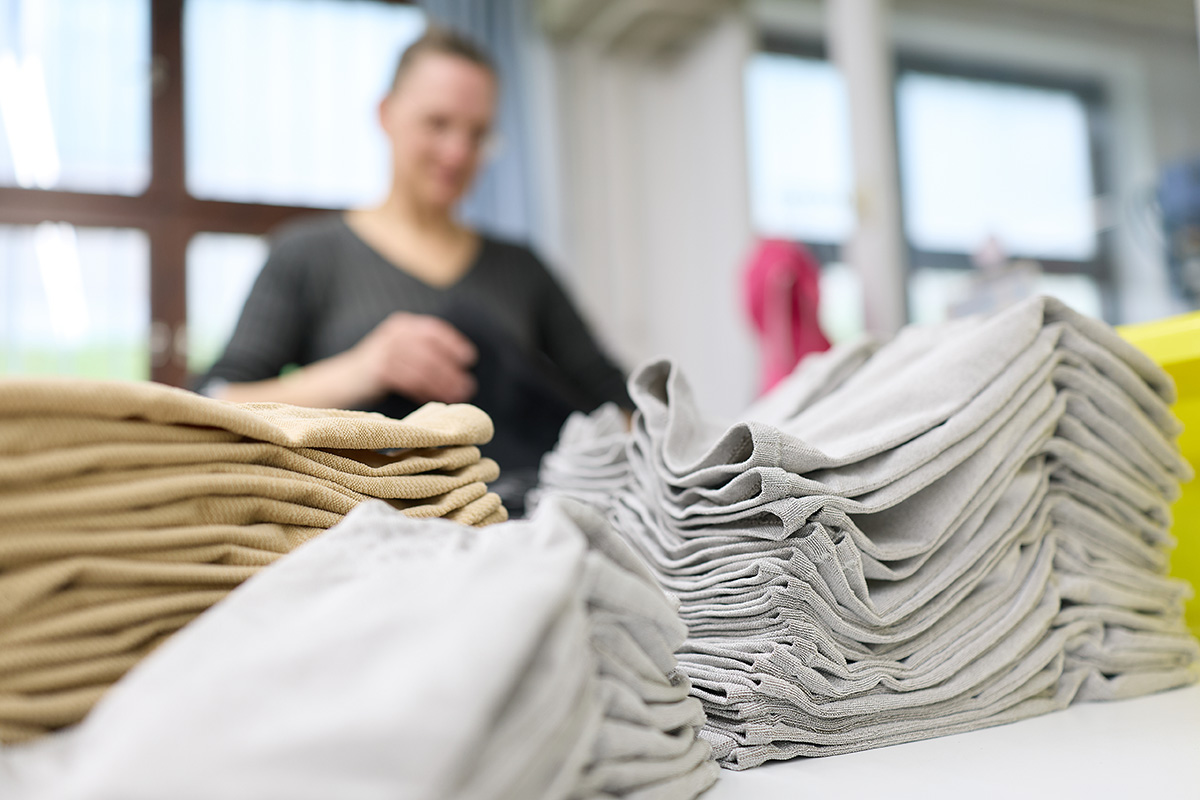
By complementing our knitting expertise with dedicated finishing and assembly processes, we deliver functional, ready-to-install textile solutions.


Assembly
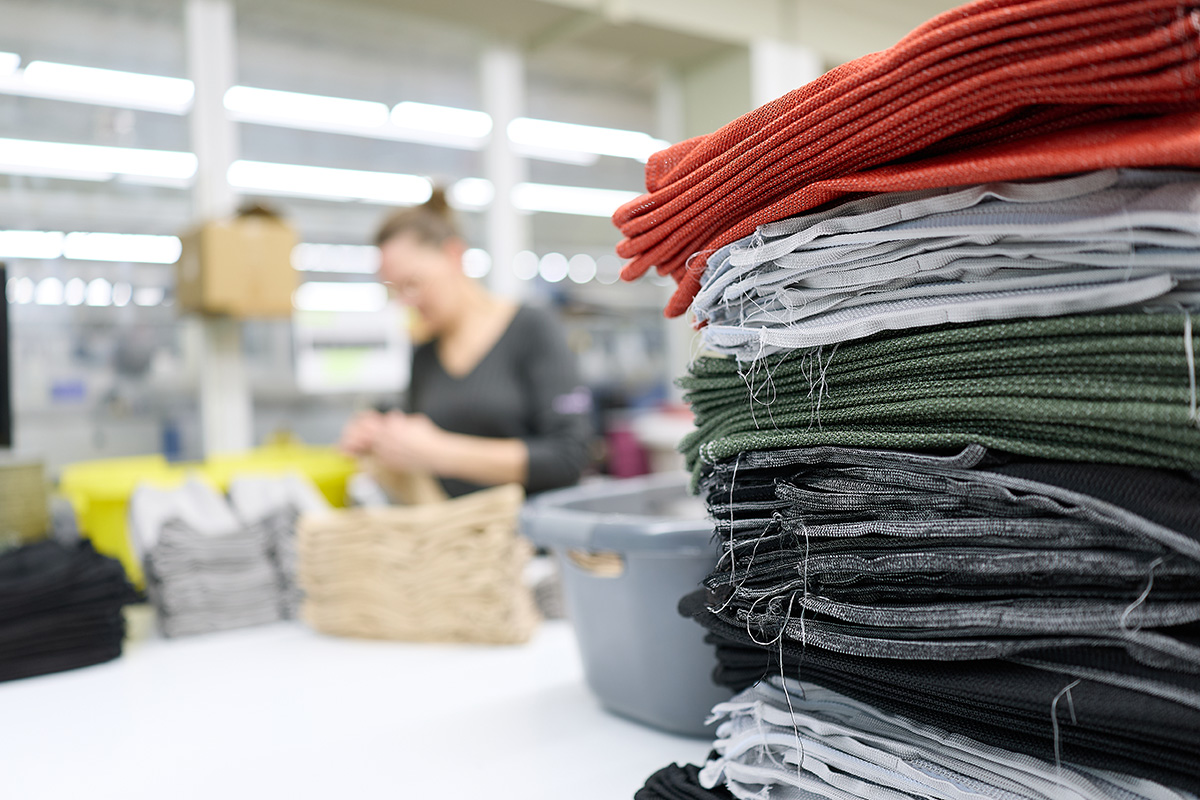
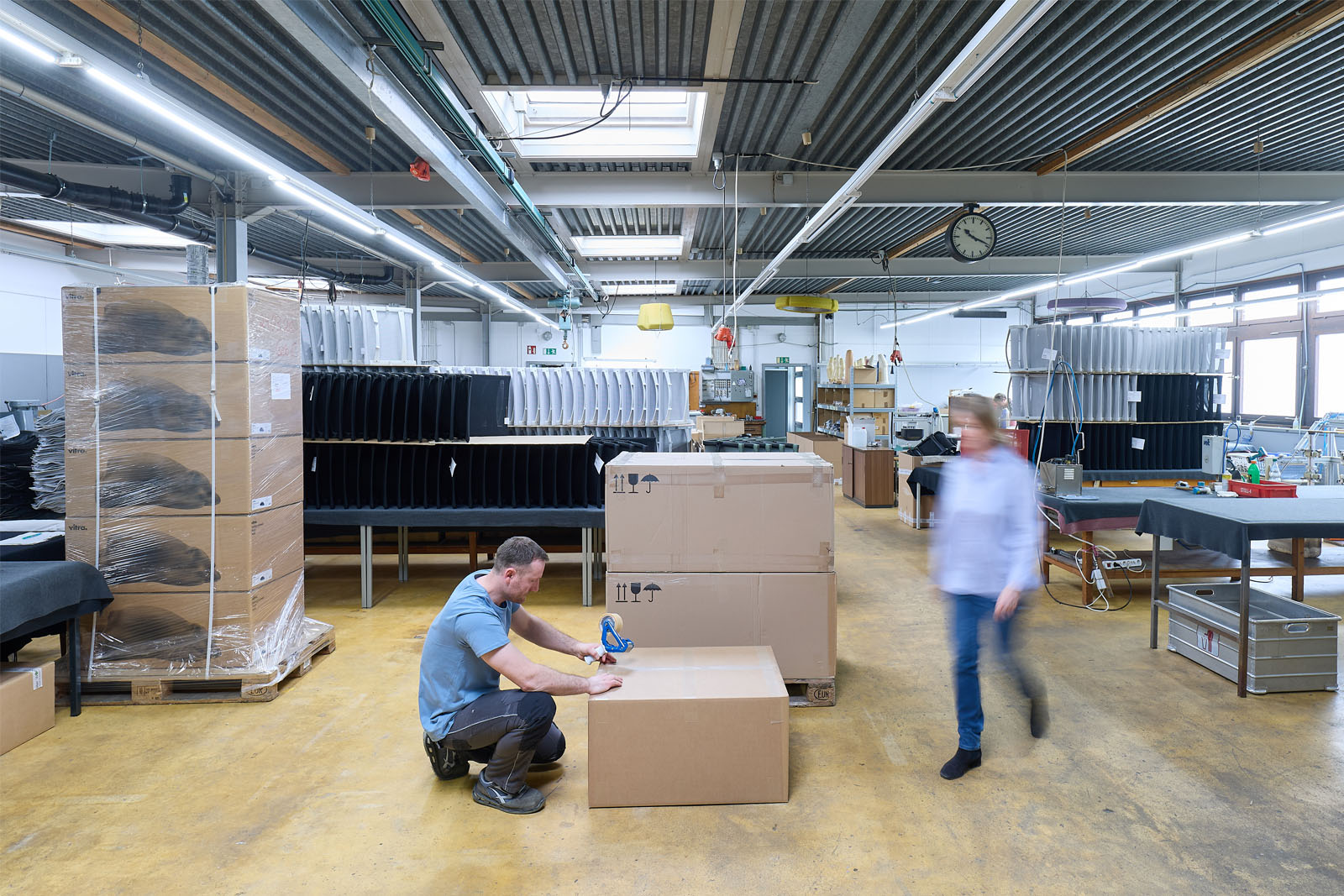
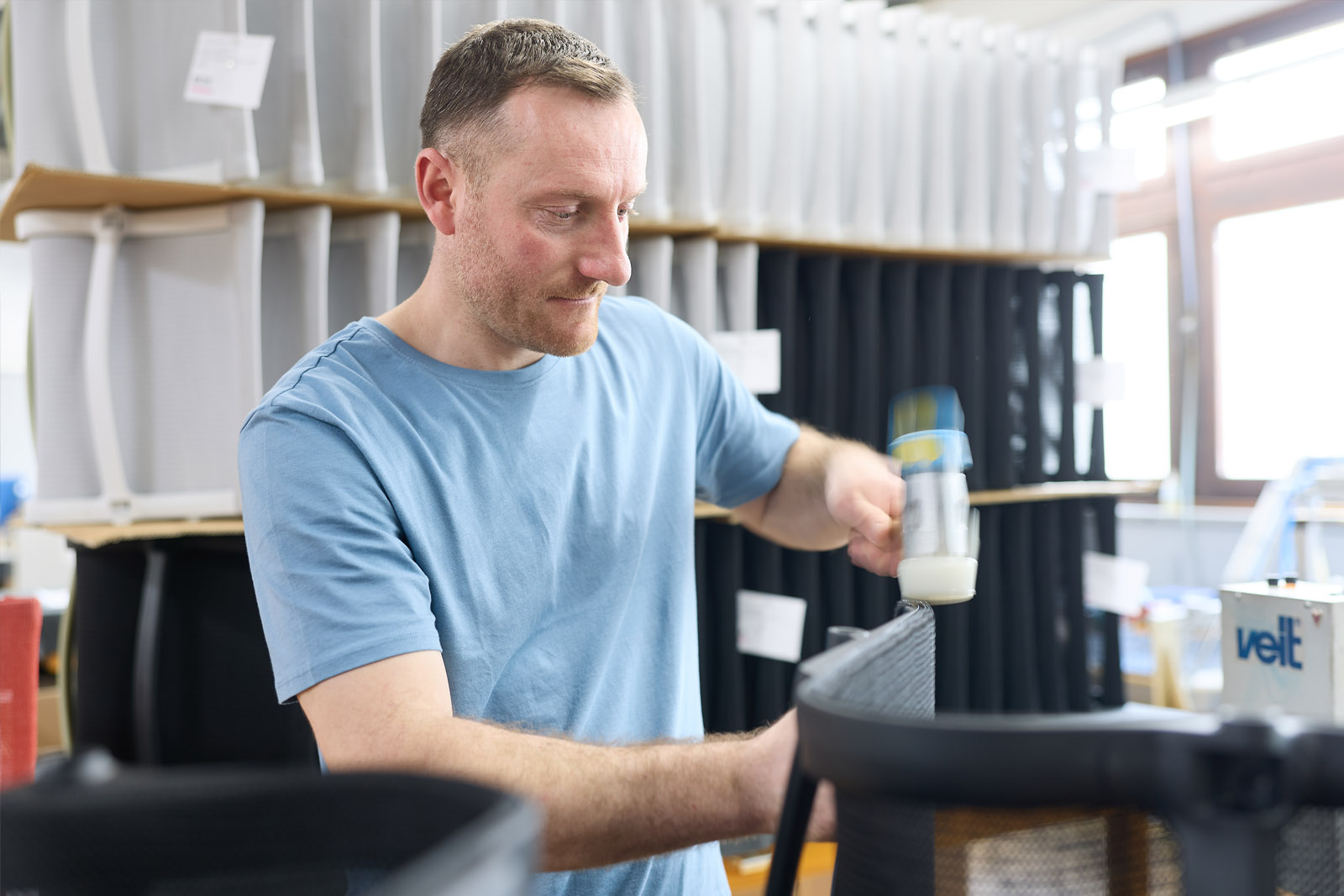
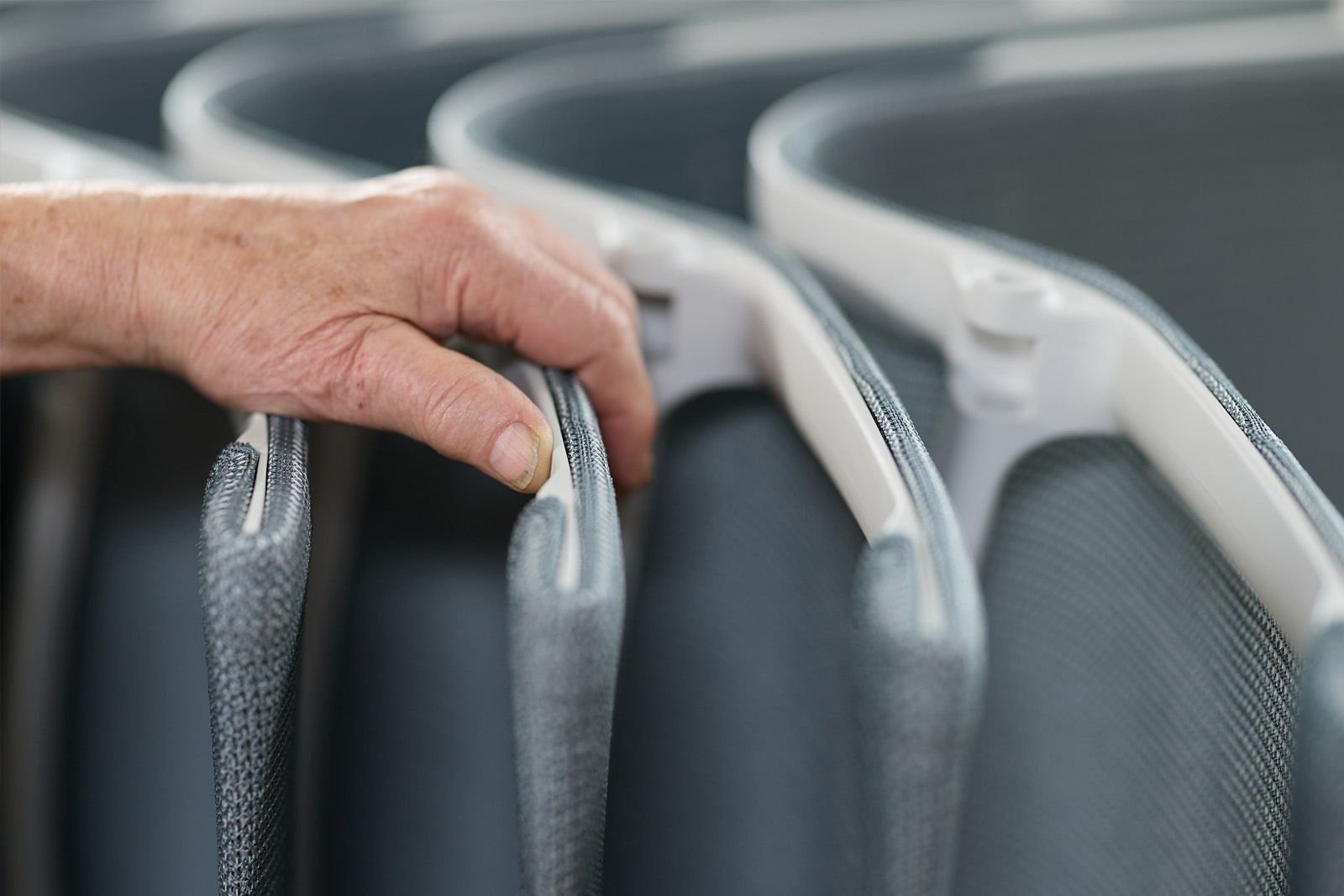
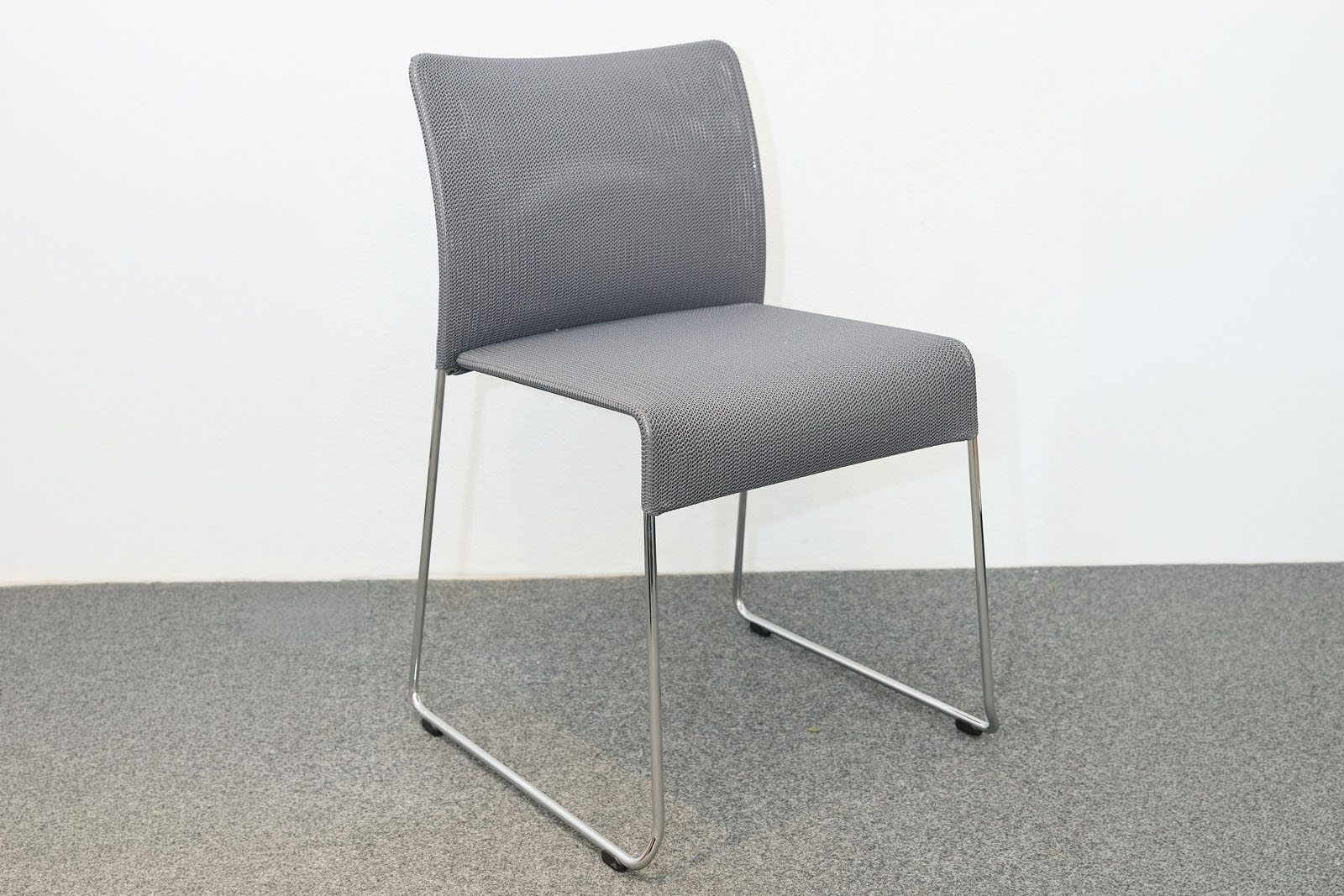
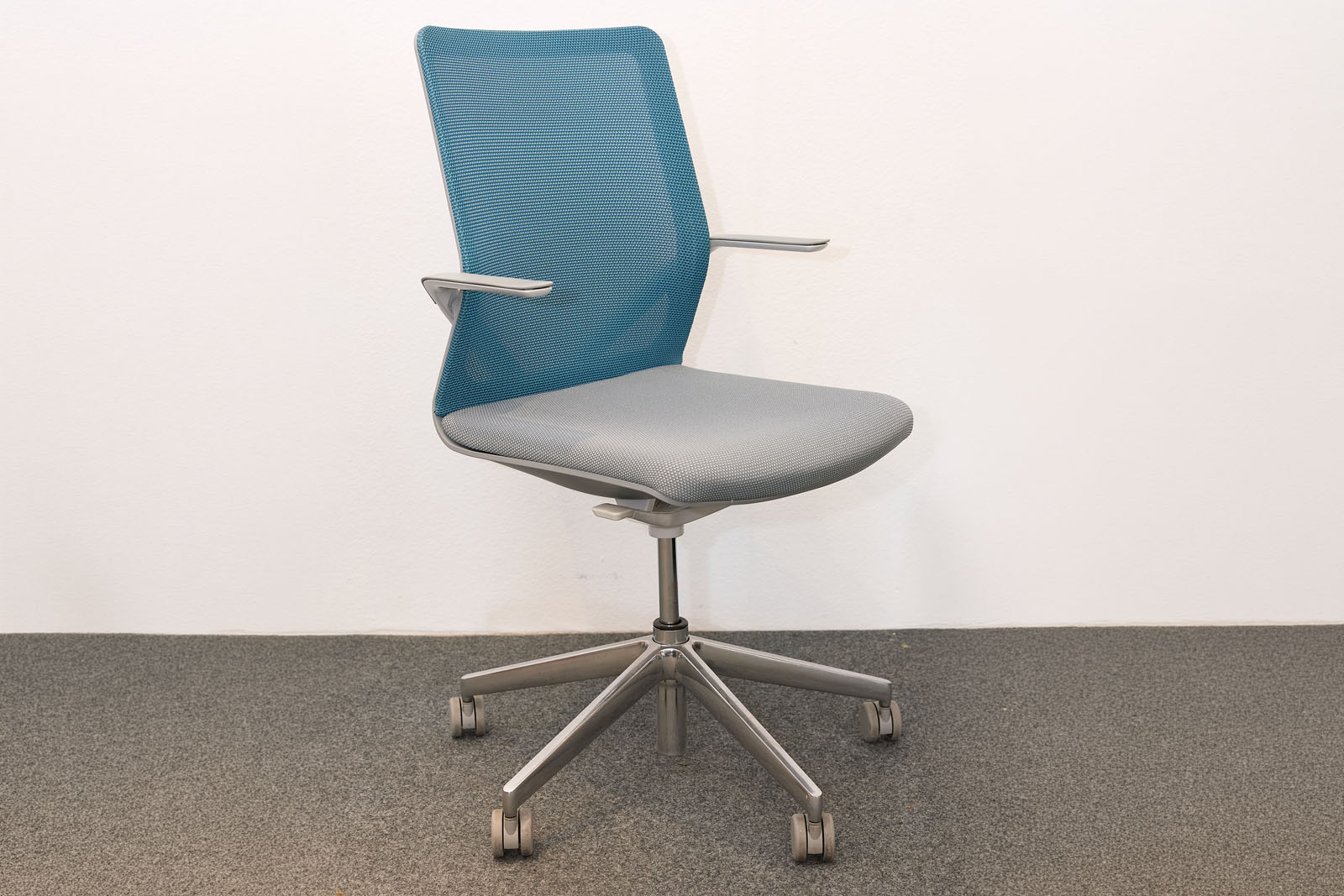
In response to our customers’ requirements, we also provide partial or final assembly of complete assemblies and furniture. Upholstering frames with our technical knitted fabrics is often the final step in the assembly process.
Labelling, quality inspection, and customer-specific packaging are integral parts of our service. For specialised requirements, we develop custom testing and inspection fixtures to ensure consistently high product quality.
Quality & Sustainability

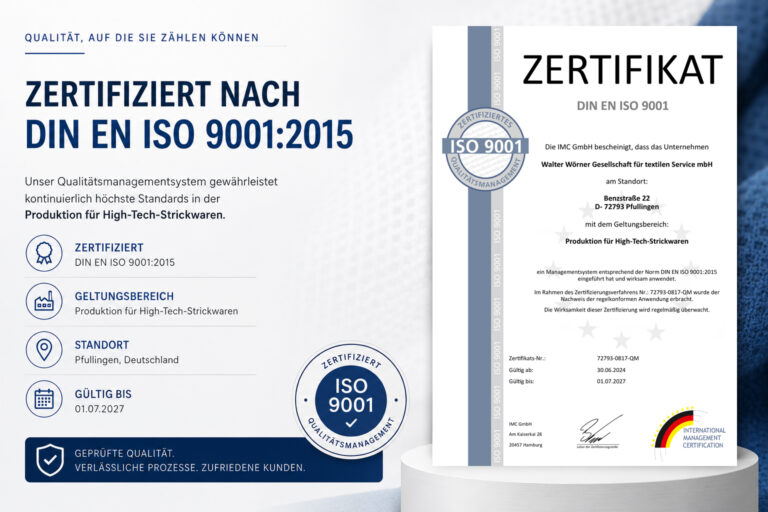
Quality assurance is an integral part of every stage of production and further processing at WÖRNER. Clearly defined process parameters, continuous inspections, and reproducible manufacturing processes ensure that our technical knitted fabrics consistently meet the required performance standards.
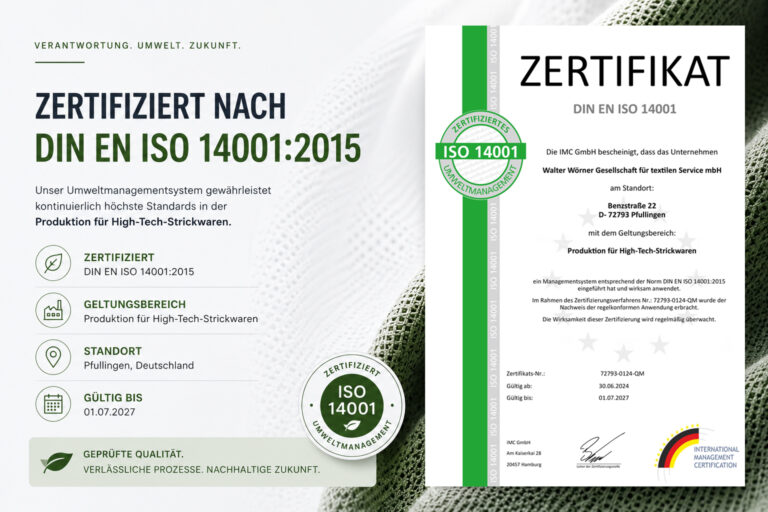
Our quality management system is certified in accordance with DIN EN ISO 9001. At the same time, our environmental management is aligned with the principles of DIN EN ISO 14001 and is continuously being further developed.
By closely integrating development, production, and finishing, we combine quality and sustainability throughout the entire manufacturing process—using materials efficiently, maximising product durability, and conserving valuable resources.
Solutions & Applications
Advantages of Technical Knitted Fabrics:
– Precision manufacturing directly on the knitting machine
– Reduced material waste by eliminating cutting and conventional assembly
– Local integration of different knitting techniques and materials
– Engineered abrasion resistance and elasticity
– Targeted integration of reinforcement and support elements
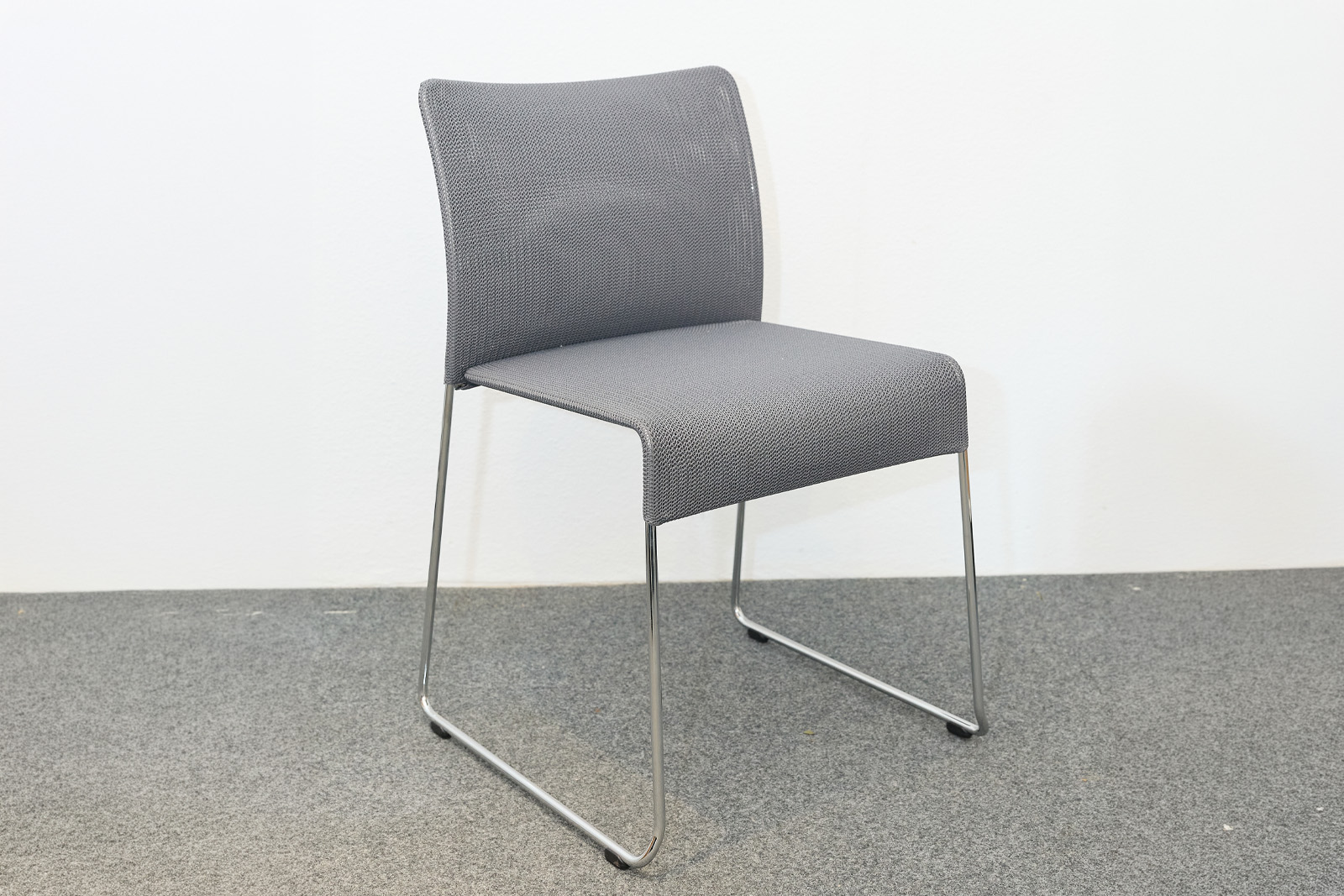
Application Example “Fly” – Design by Patrick Norguet (Offecct)
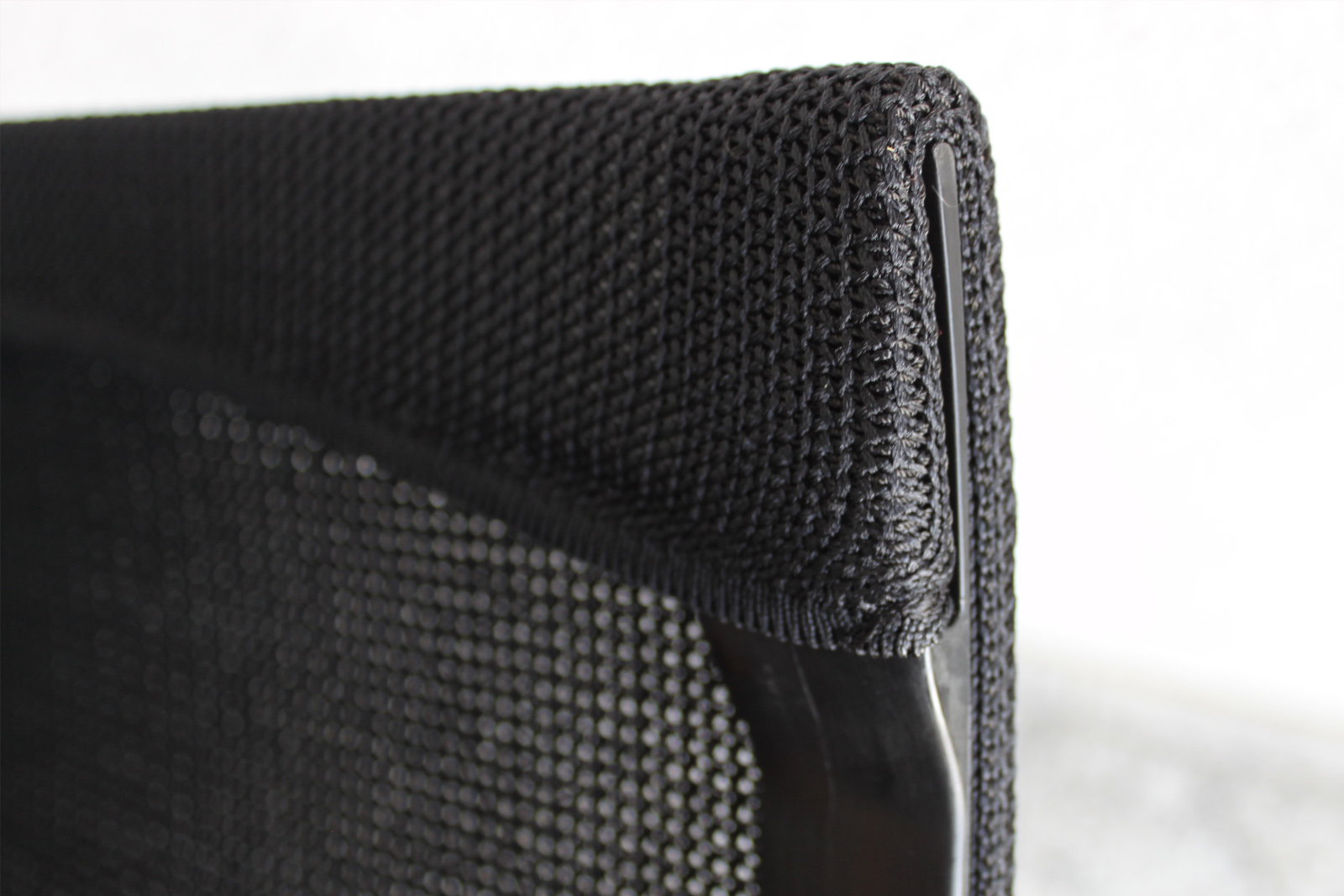
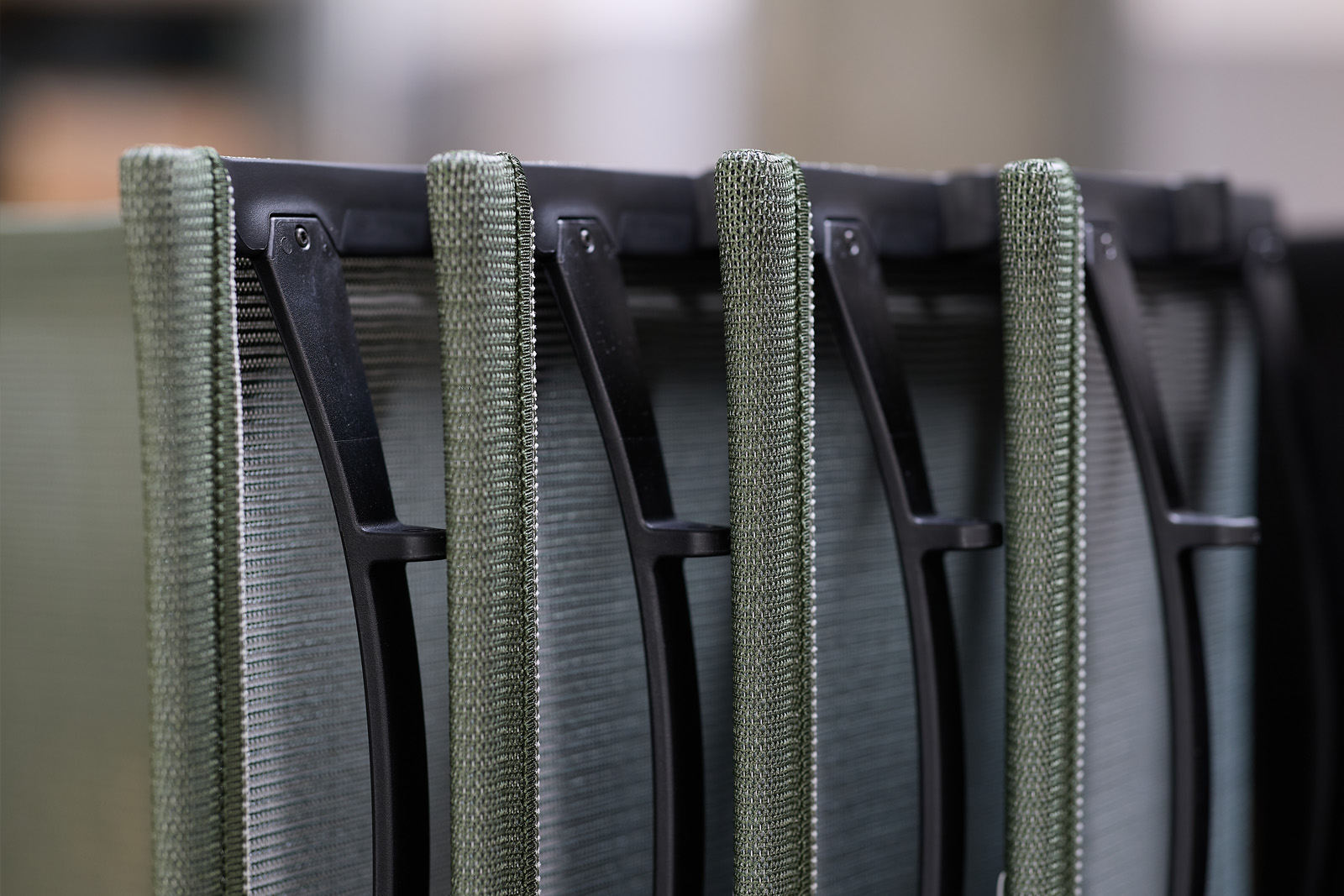
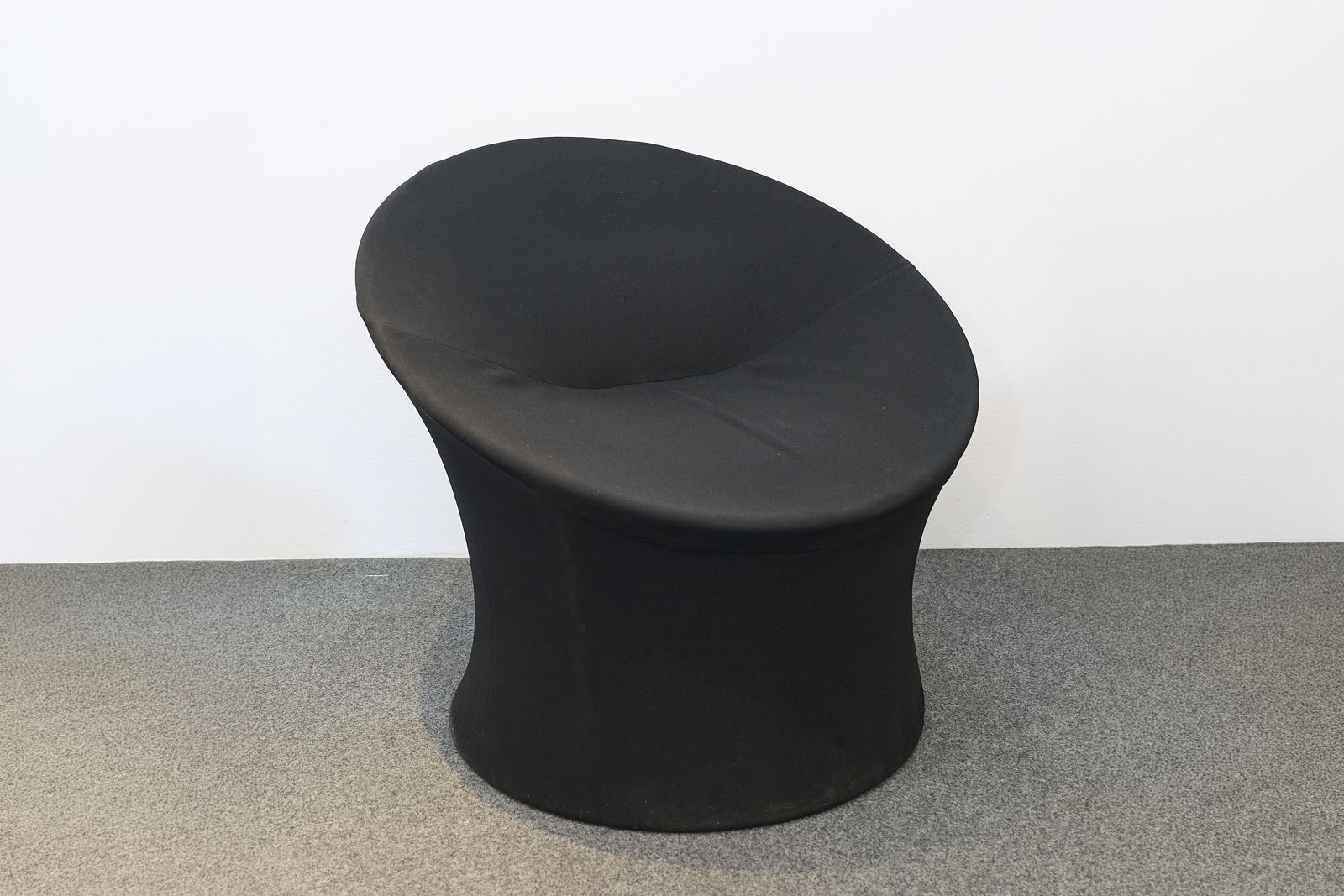
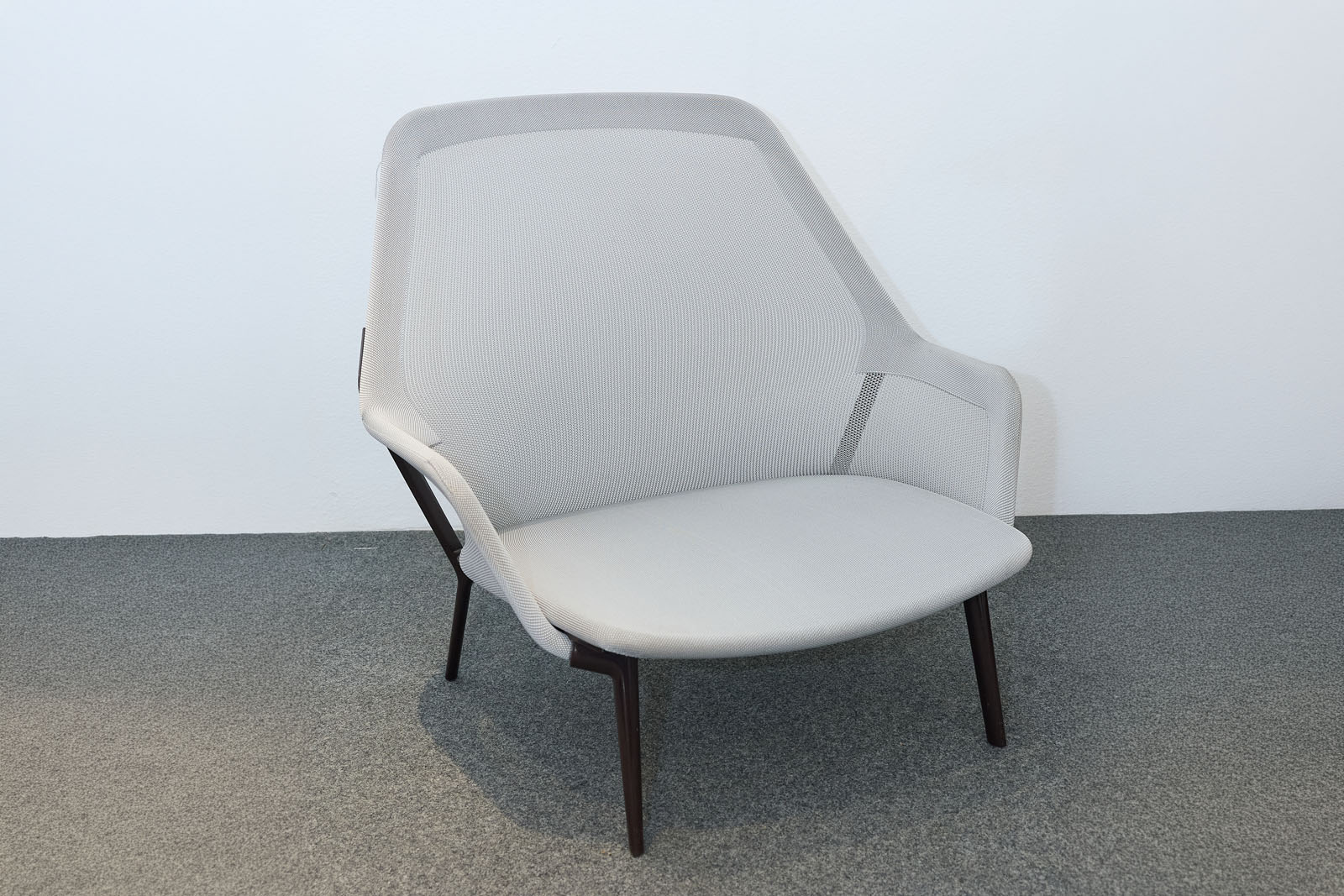
Our technical knitted fabric made it possible to realise the Fly concept. After years of searching for the right development partner, designer Patrick Norguet chose WÖRNER to bring his vision to life. The chair’s distinctive organic shape is created primarily by the knitted fabric stretched over the metal frame.
Carefully engineered elasticity zones, an integrated double-layer construction, and the sustainable product design contributed to the project receiving the Red Dot Award in 2010.
Advantages of Technical Knitted Fabrics:
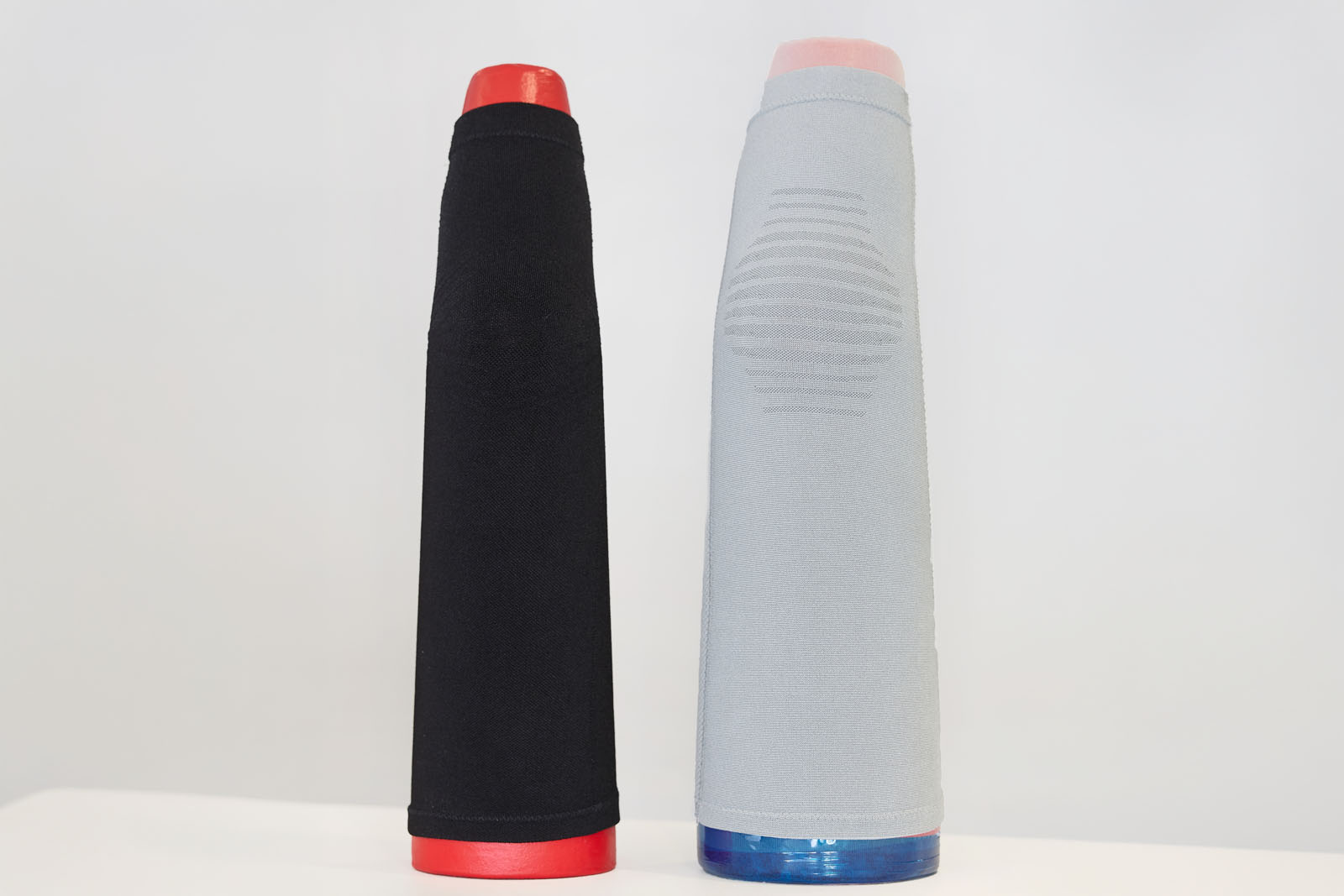
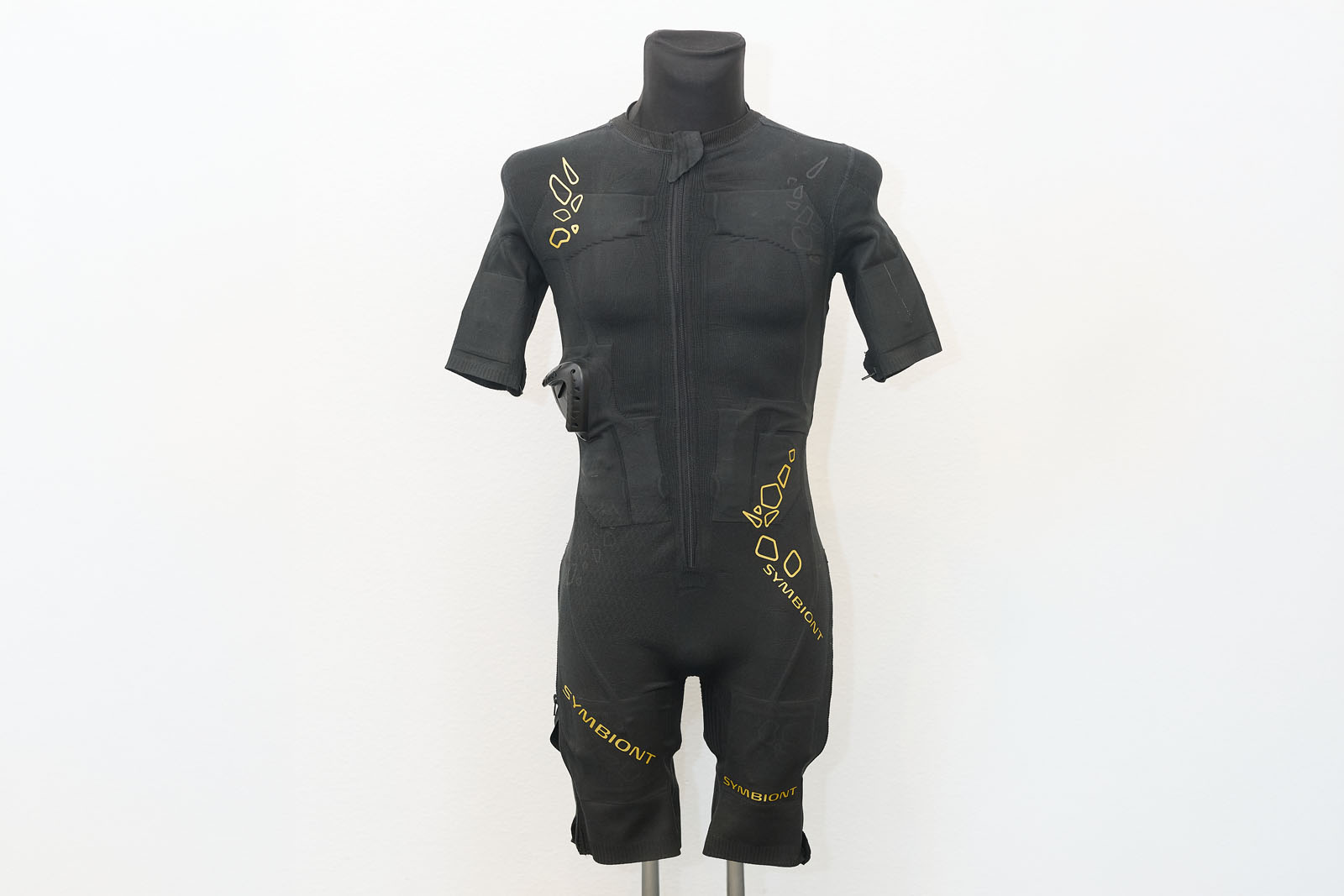
– Elasticity exactly where it is needed
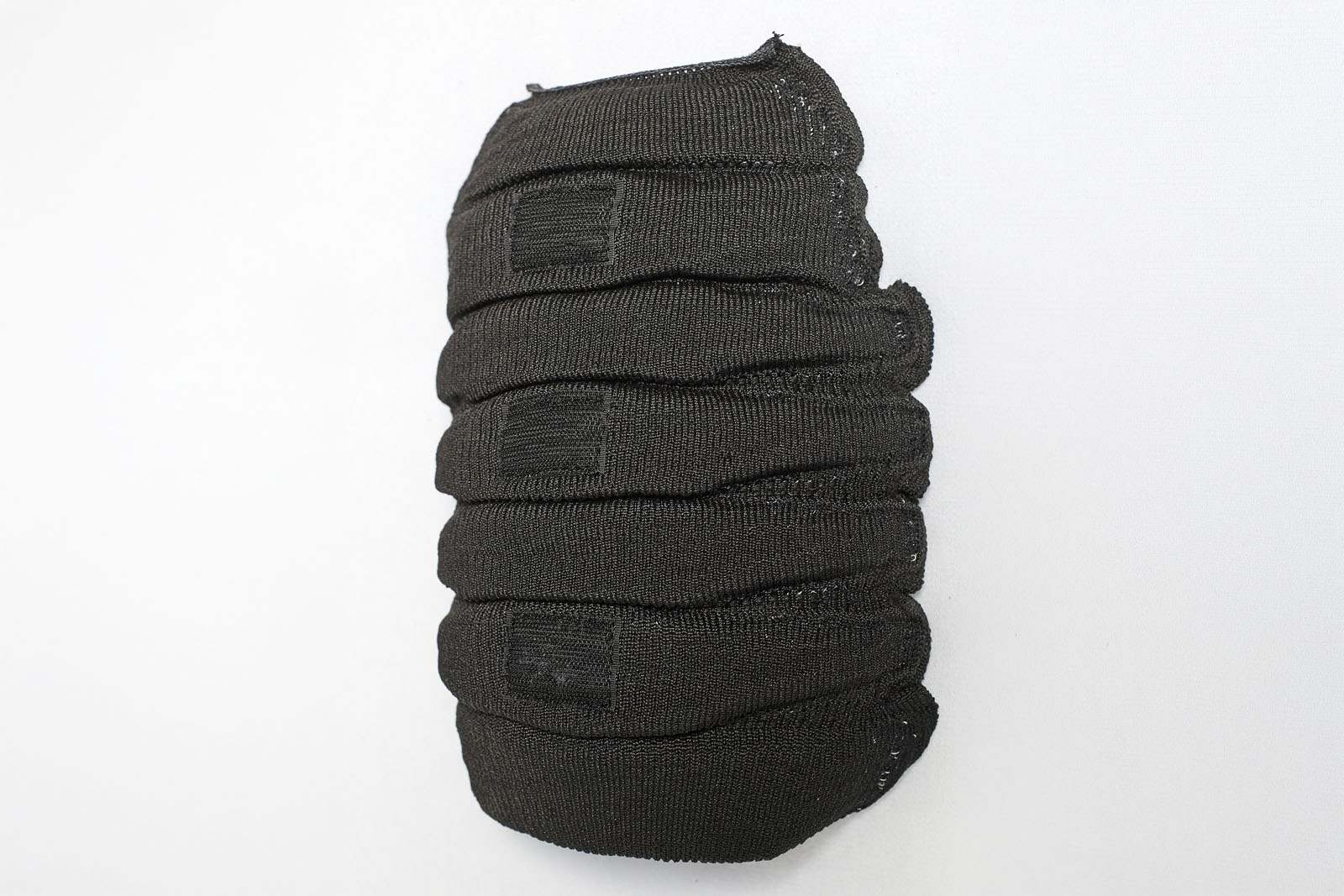
– Support and compression in defined zones
– High wearing comfort and freedom of movement
– Soft, skin-friendly surfaces
– Processing of ultra-fine microfibres
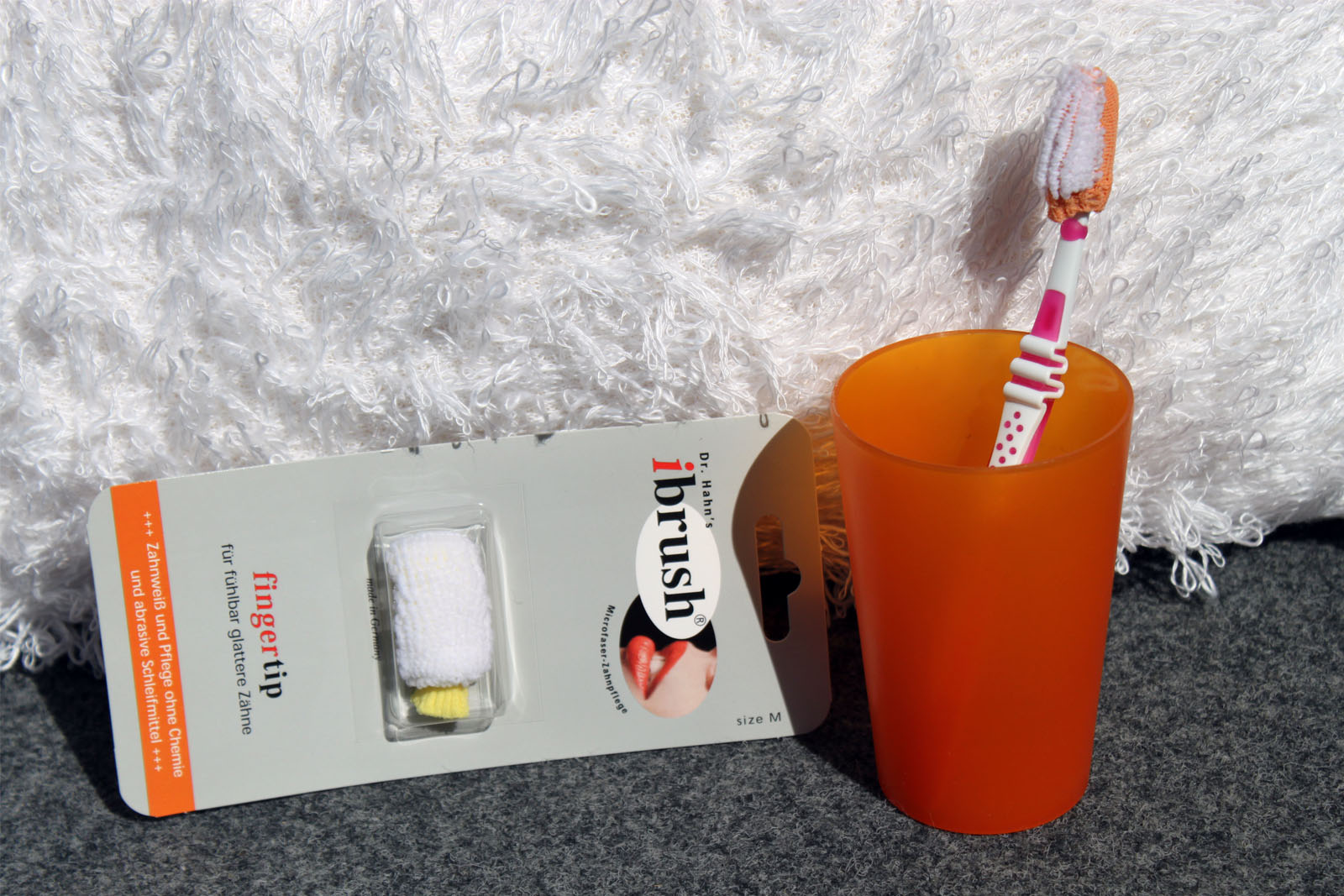
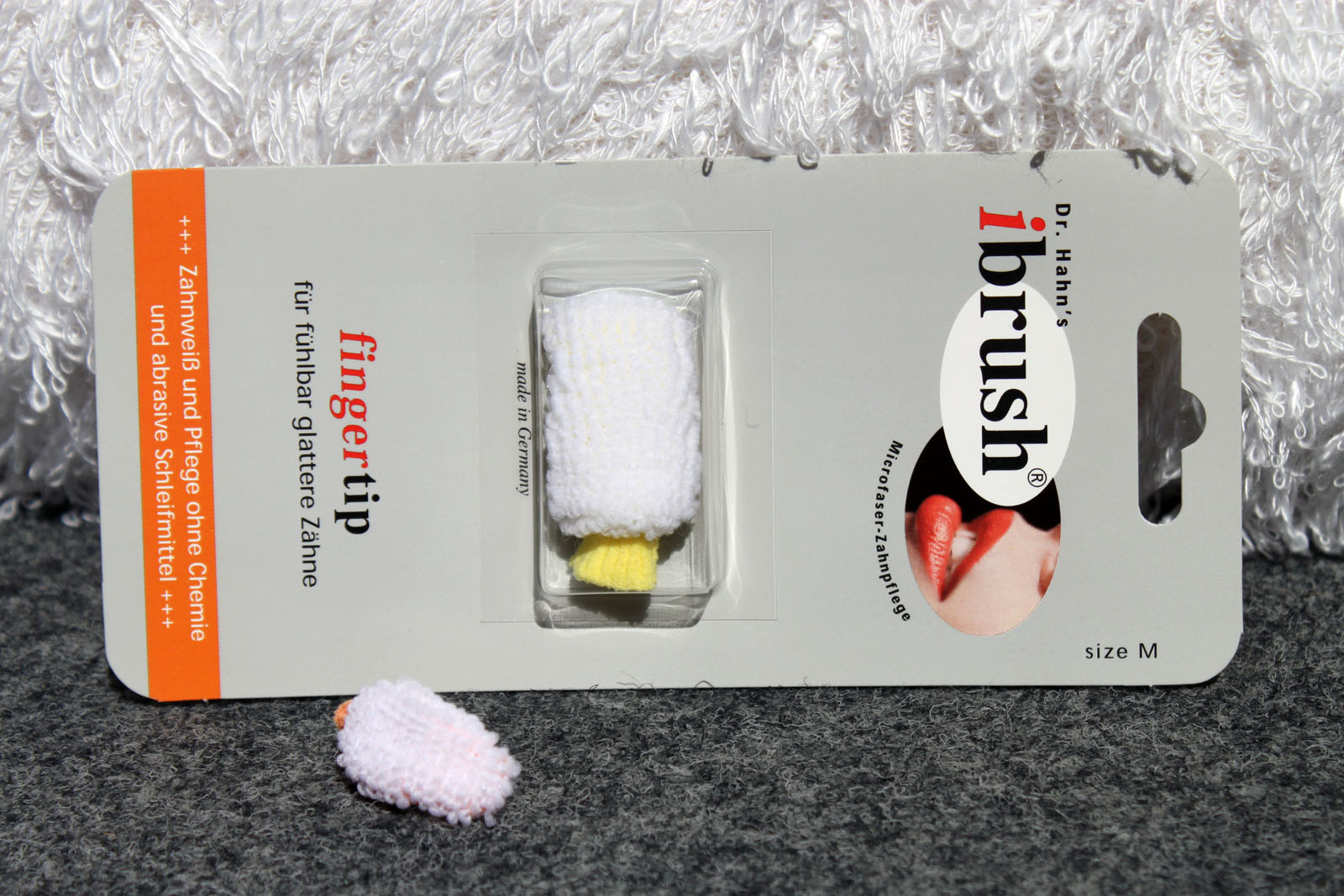
Application Example “ibrush” (Tootec GmbH)
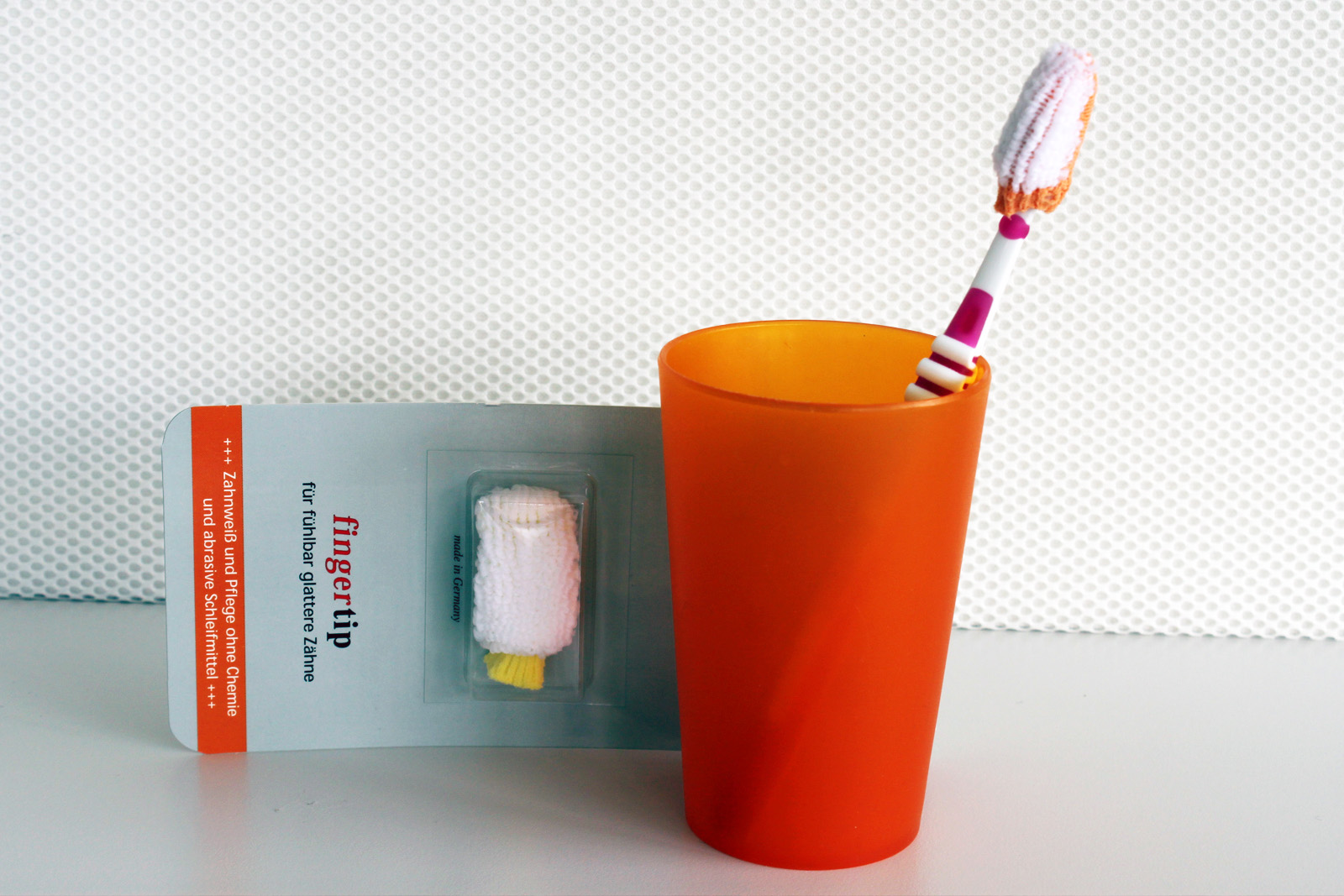
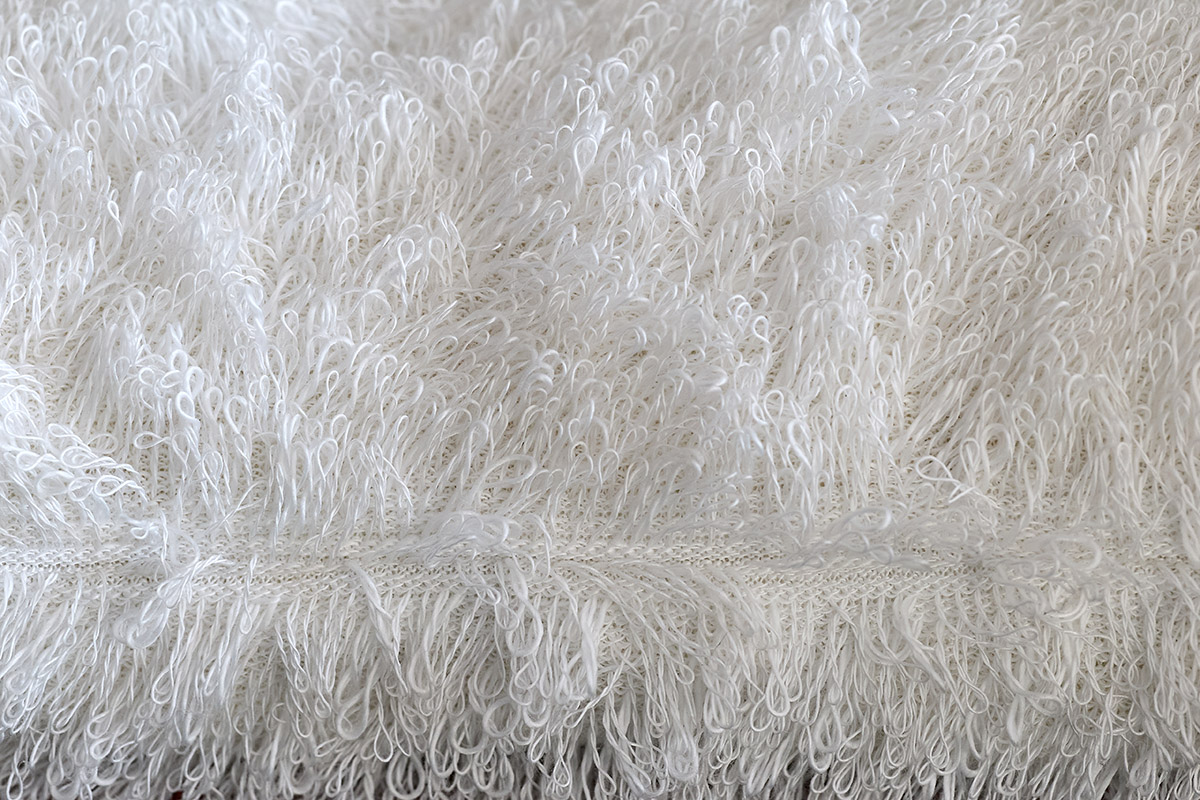
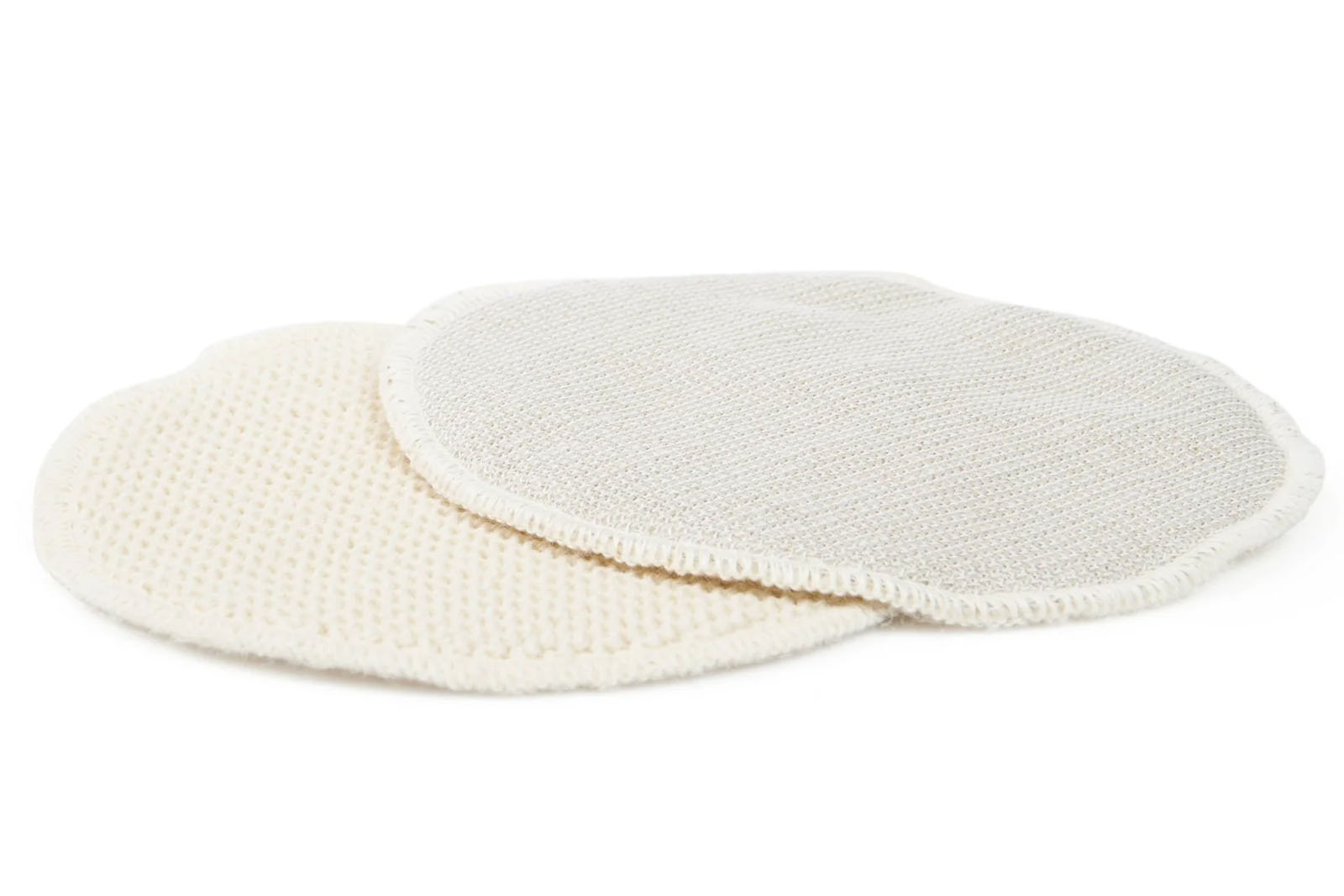
An innovative microfibre knitted fabric replaces conventional toothbrush bristles. Thousands of ultra-fine fibres provide gentle yet effective cleaning, thoroughly remove plaque, and help protect both the gums and the tooth necks.
Advantages of Technical Knitted Fabrics:
– Combination of flexible and rigid zones within a single material
– Integration of electrically conductive yarns
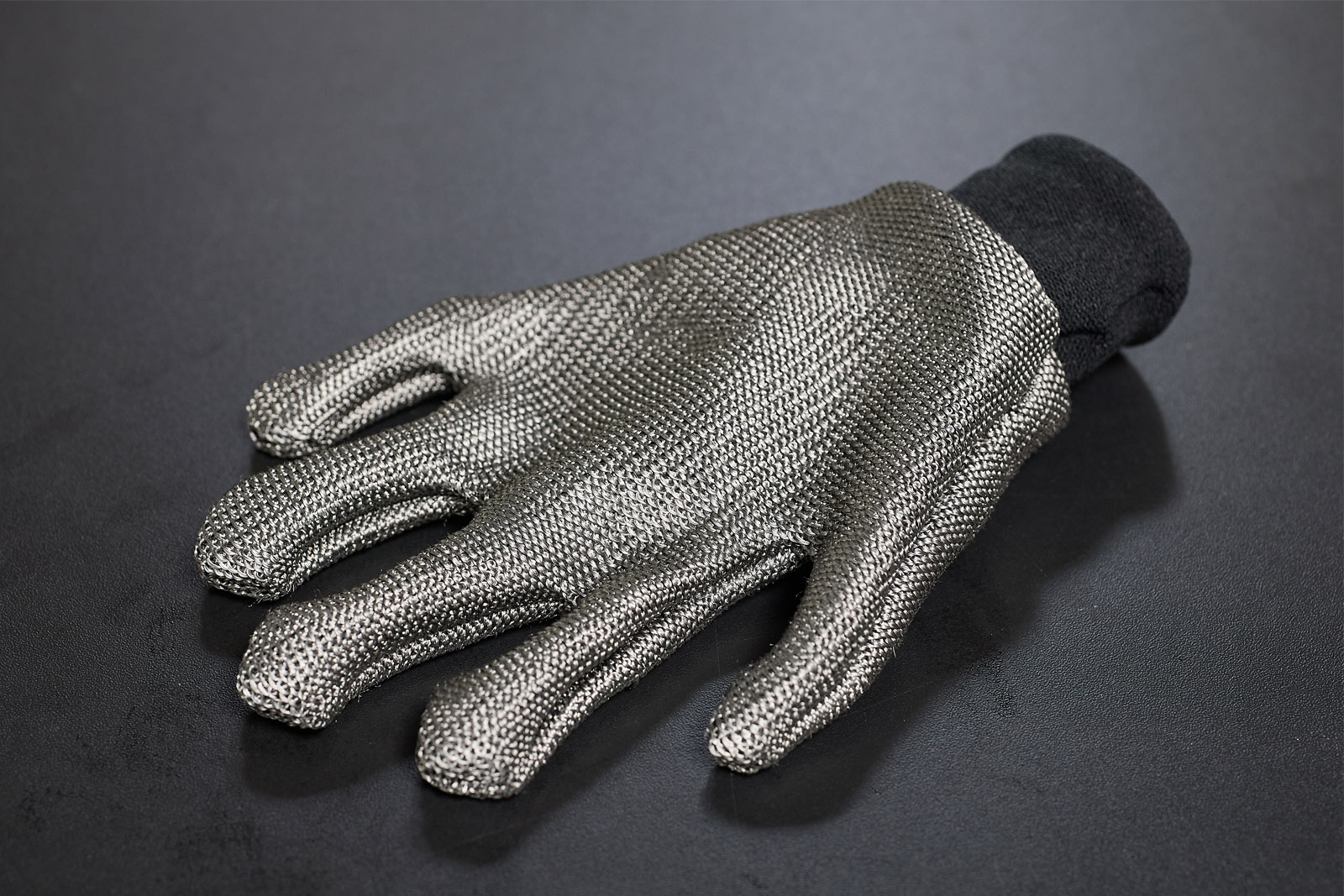
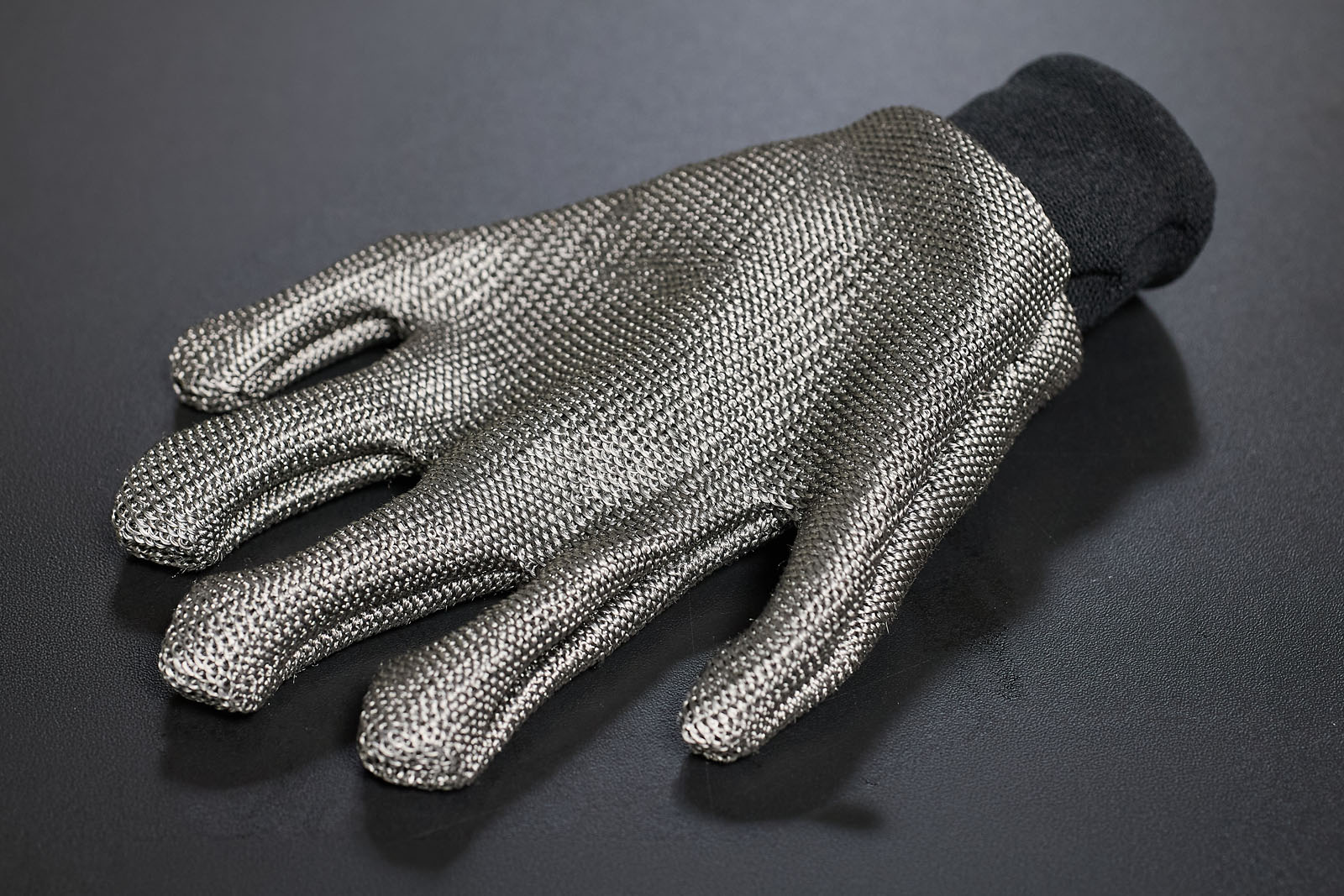
– Use of high-performance fibres such as carbon, aramid (Kevlar®), glass, or metal
– Reduced material waste through precision manufacturing
Research Project: Technical Knitted Fabrics in Composite Materials
In collaboration with the University of Michigan, knitted textiles were investigated for use in composite materials. The result is lightweight, homogeneous structures without predetermined weak points, offering high flexibility.
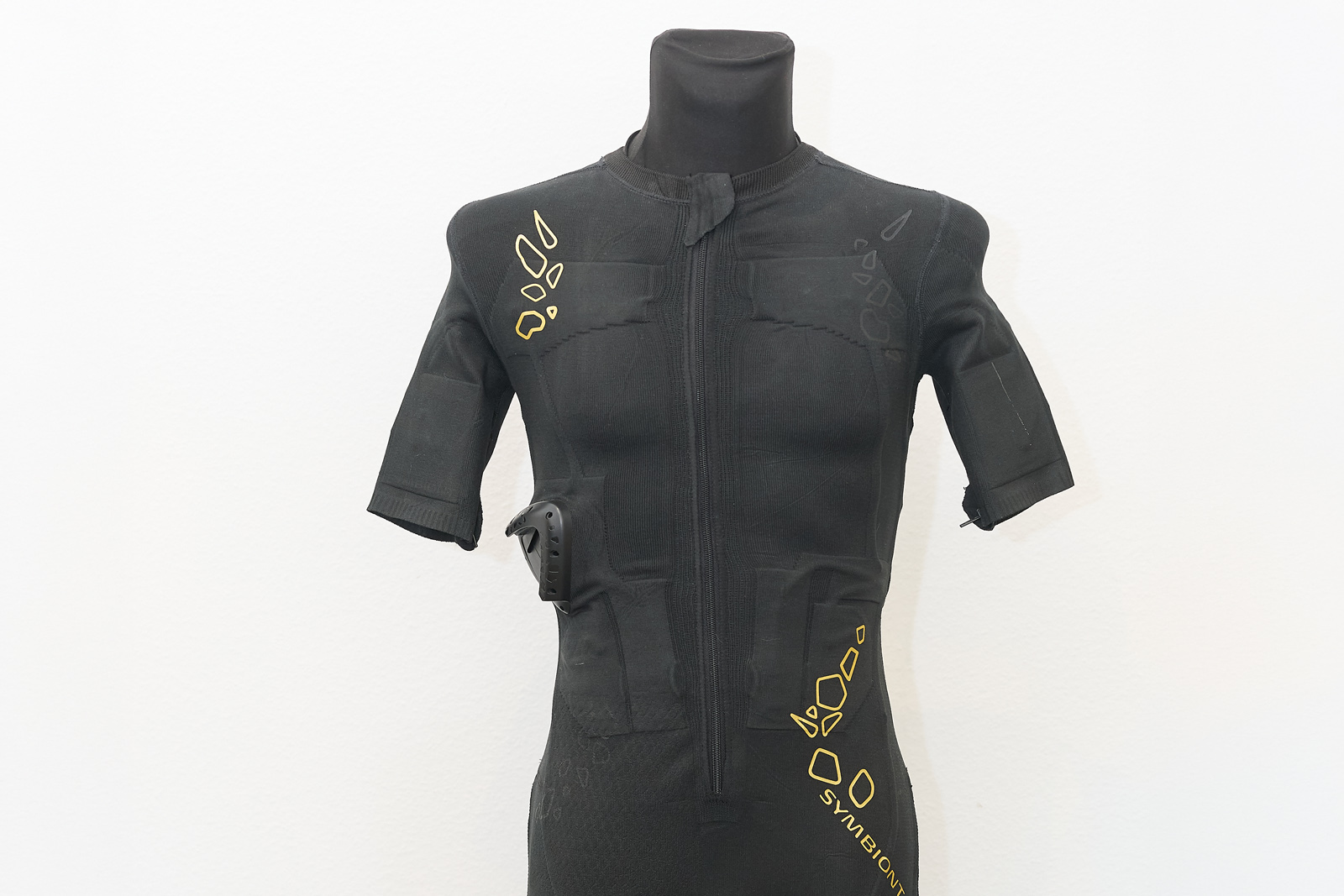
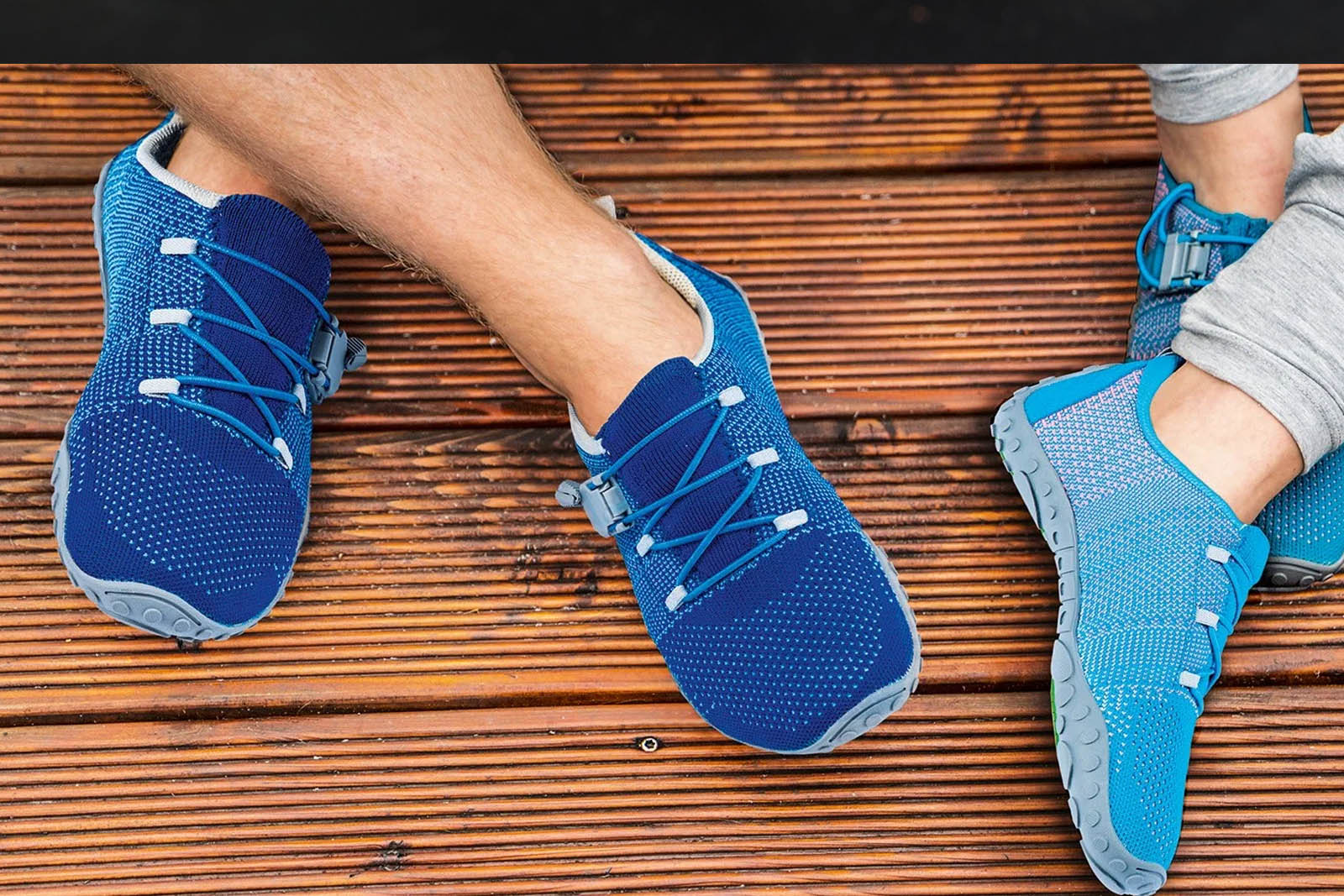
Knitted fabrics are more elastic than woven fabrics or leather, adapting naturally to the body and following its movements without creasing. They are breathable, wrinkle-resistant, and provide excellent air circulation and moisture management.
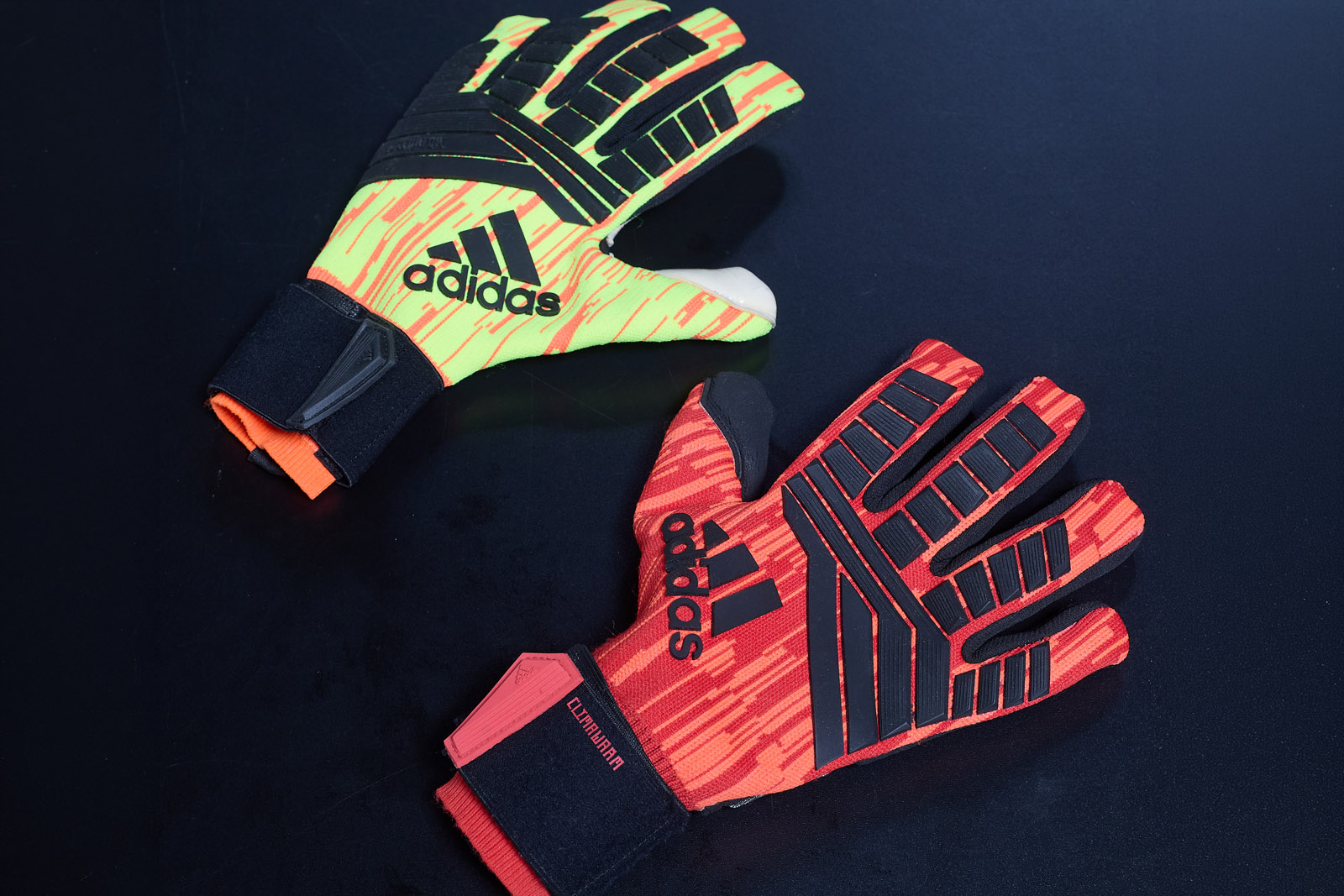
Fully fashioned and three-dimensional knitting with integrated finished edges significantly reduces assembly effort and material waste while opening up new possibilities for functional apparel.
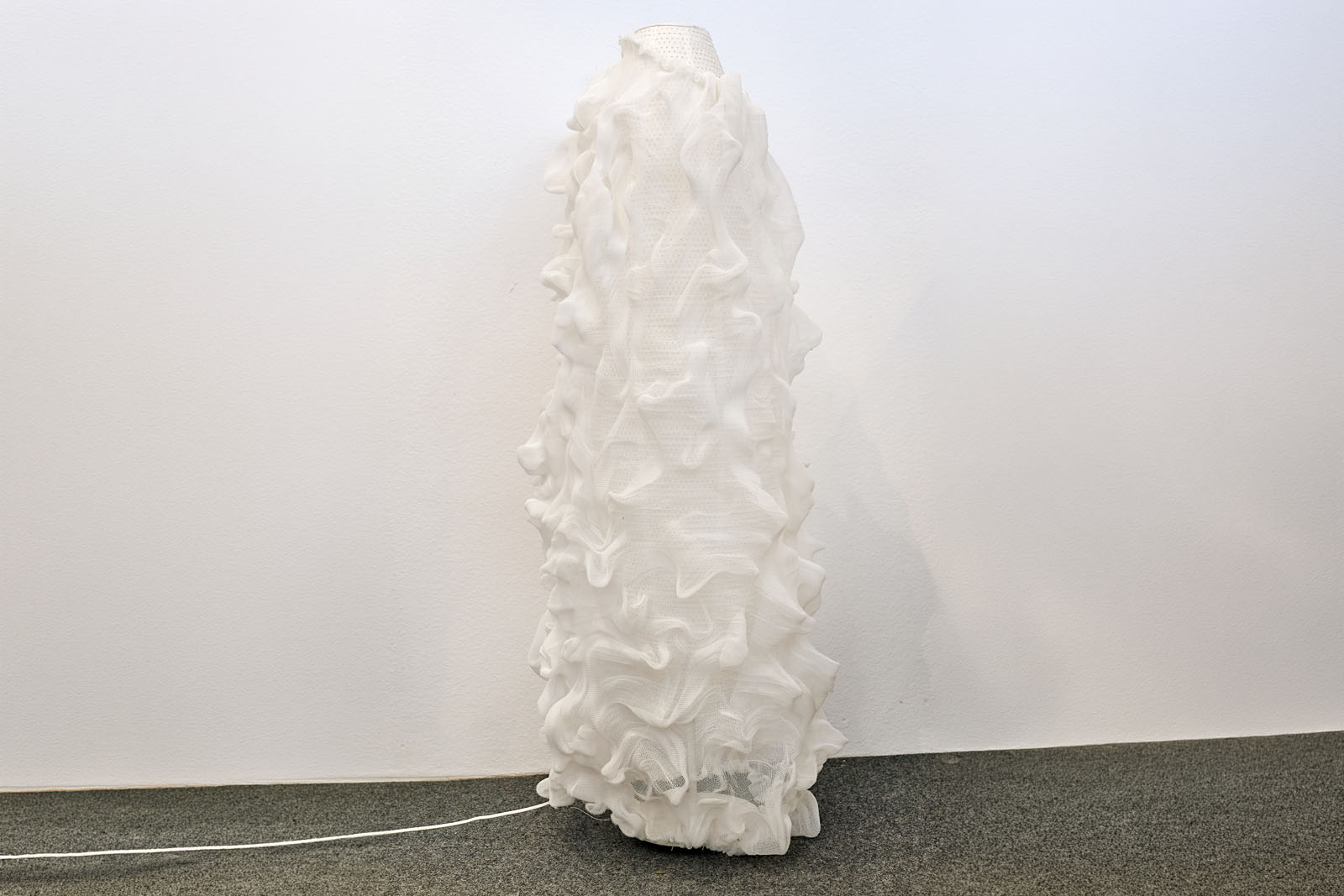
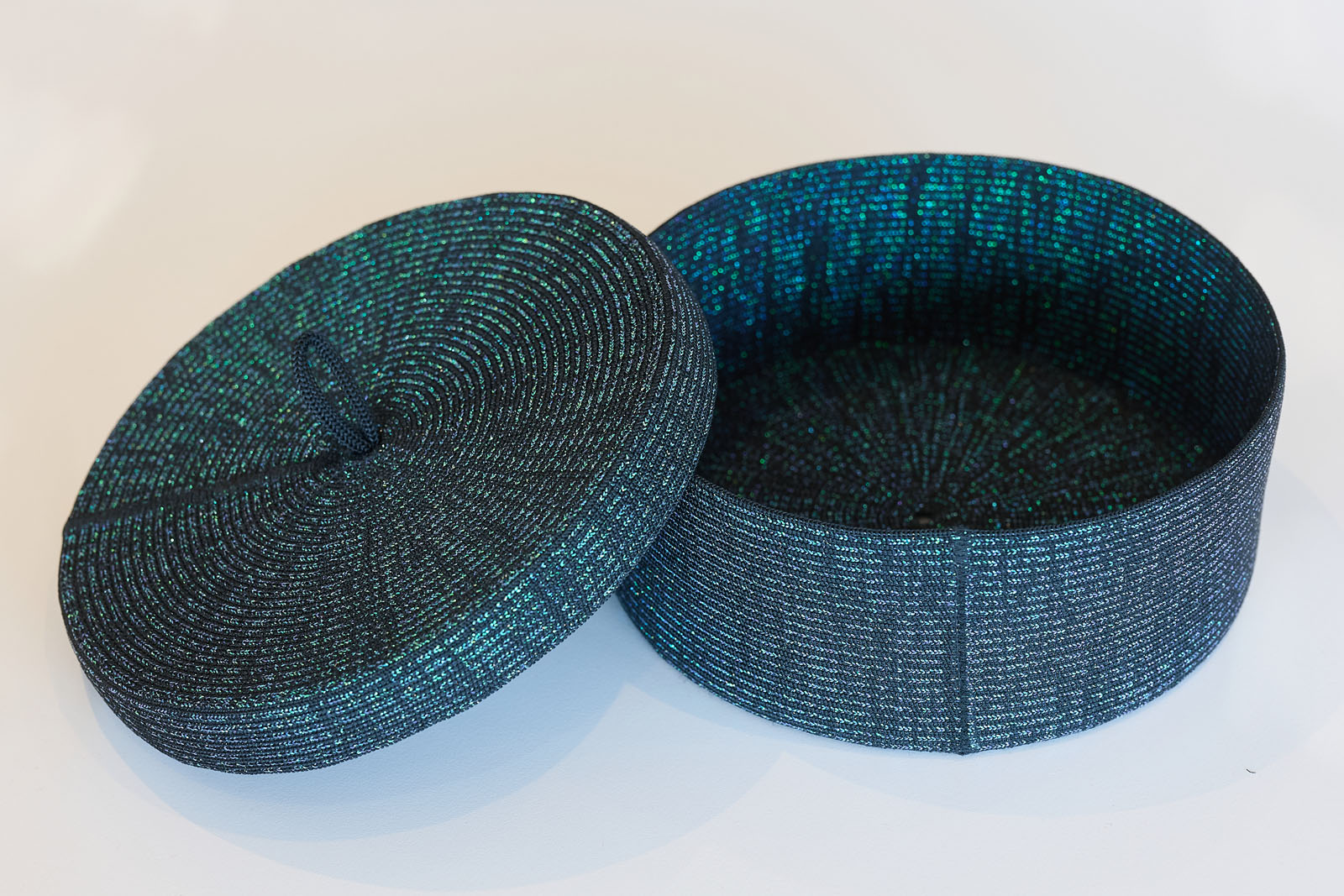
Technical knitted fabrics are ideally suited for interior applications. They are used in products such as lighting fixtures, room dividers, acoustic elements, and decorative surfaces, combining design, functionality, and material efficiency.
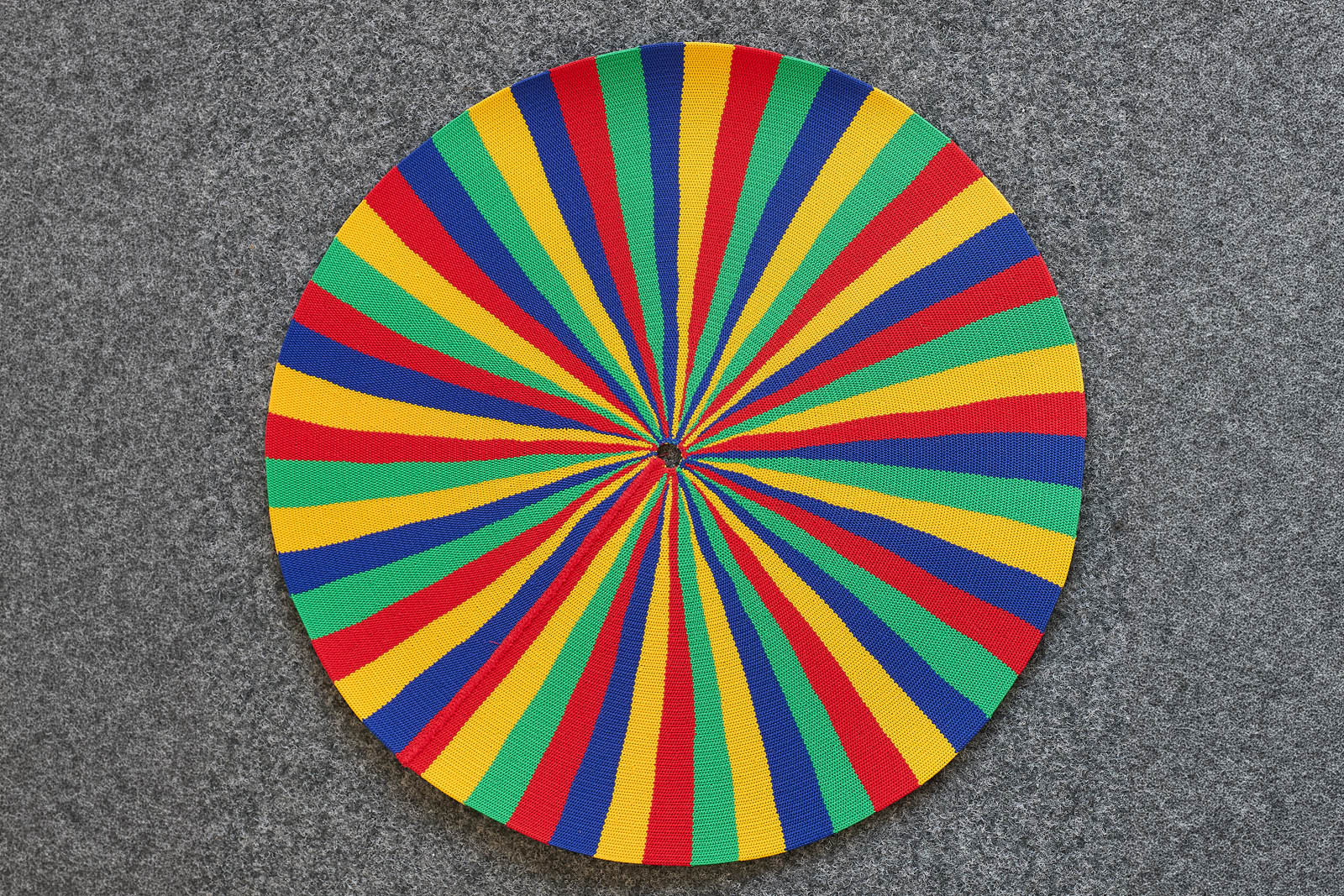
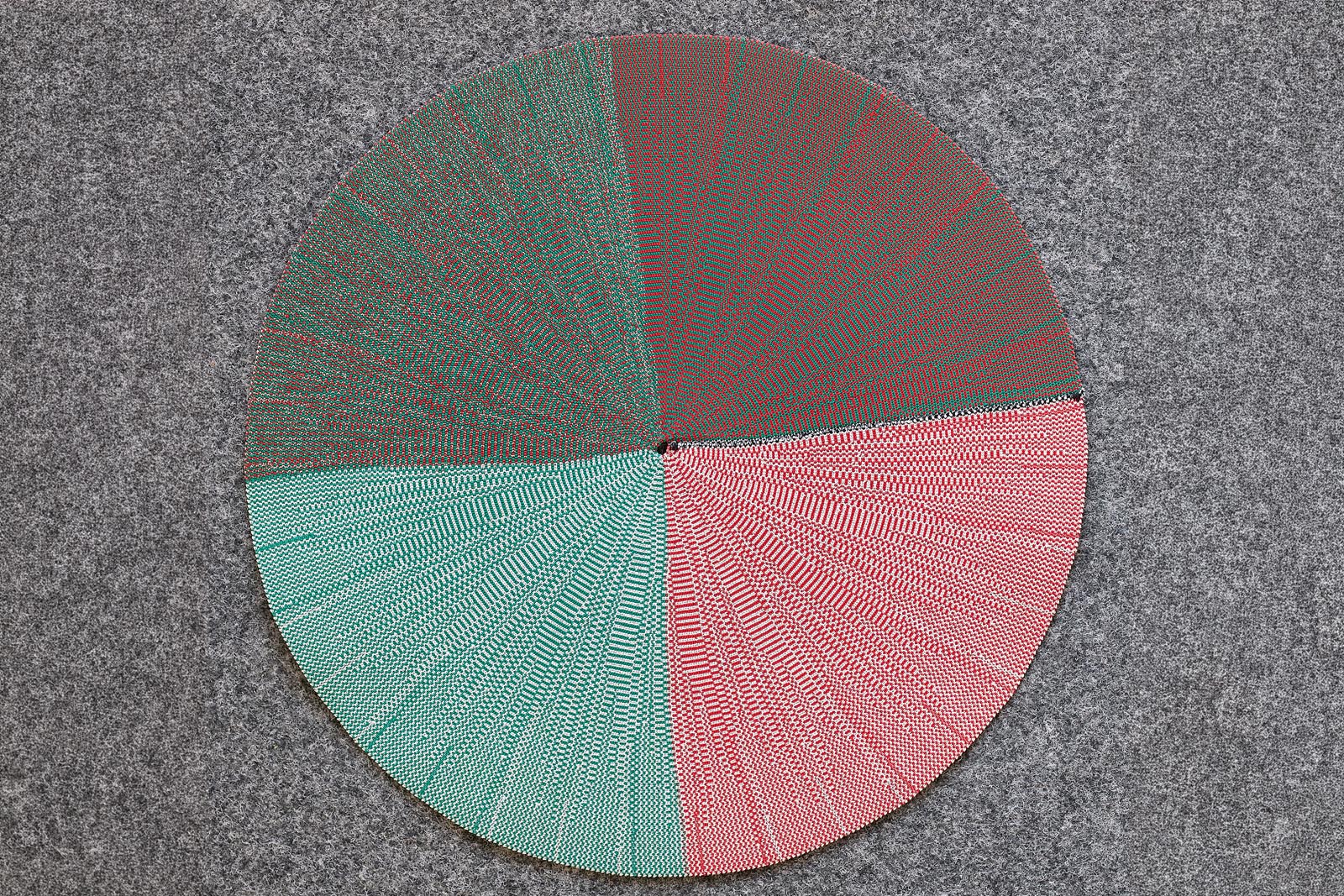
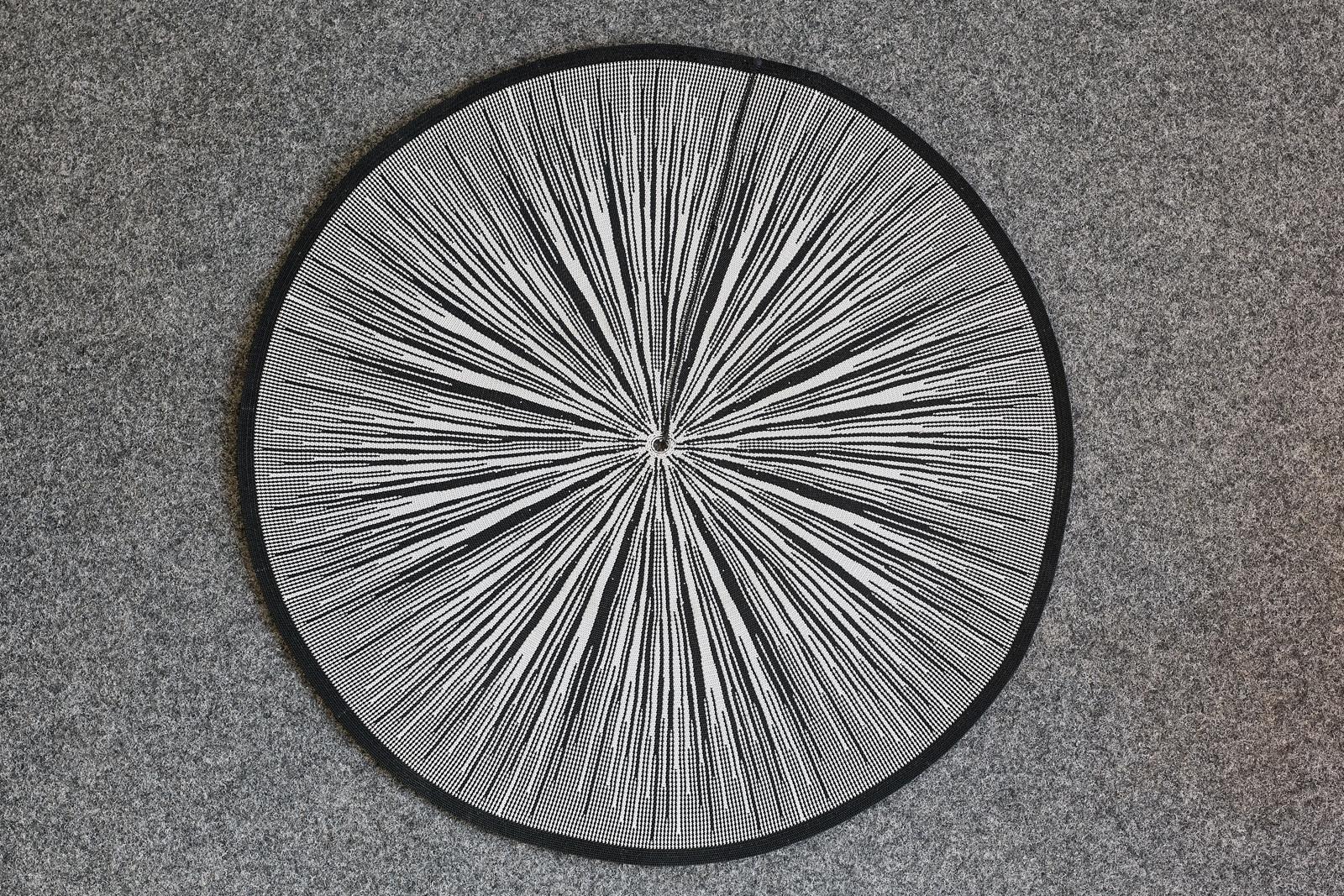
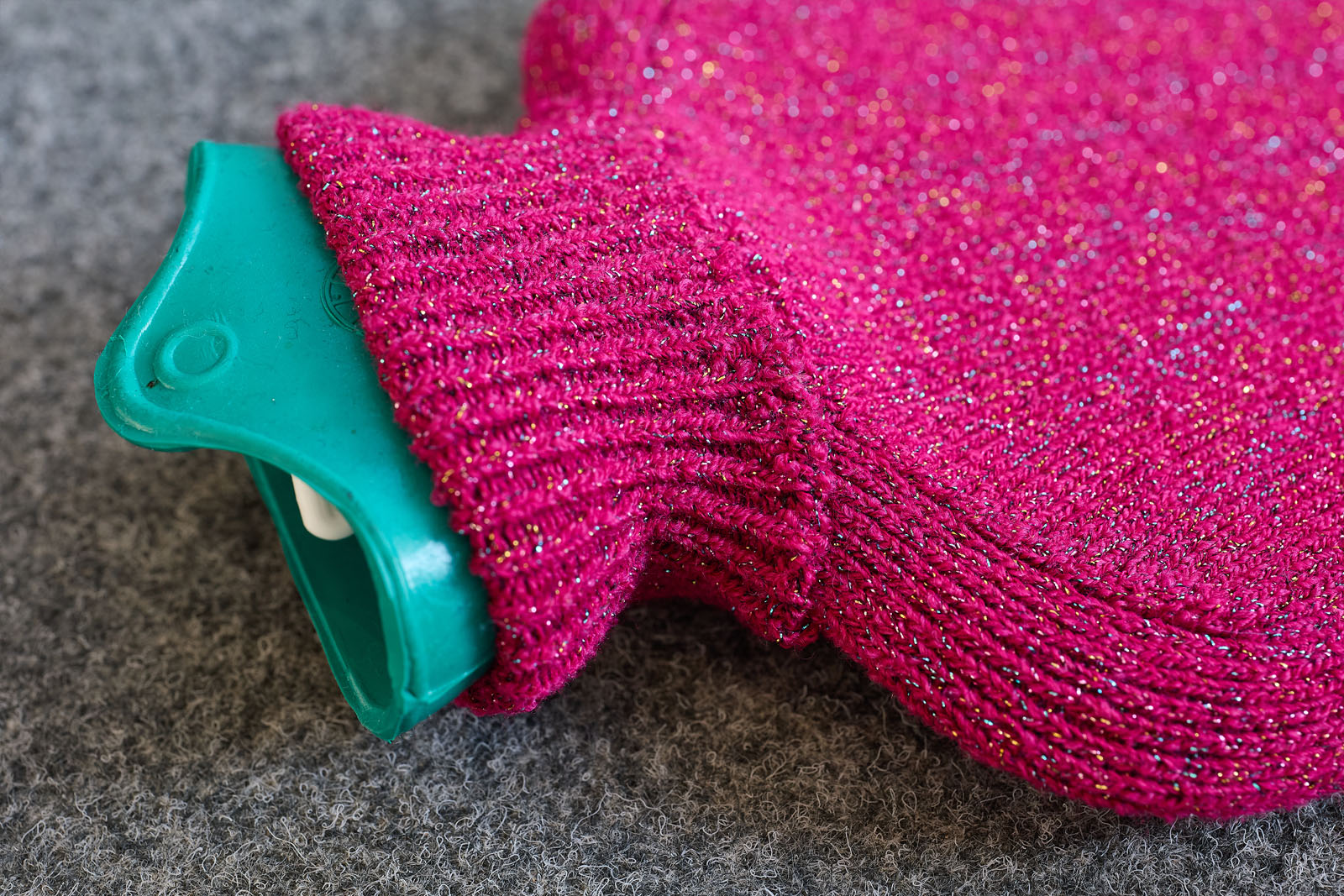
In the aerospace industry, weight, material properties, and functional integration are critical. Technical knitted fabrics enable lightweight, high-strength structures and can be engineered to incorporate additional functional features.
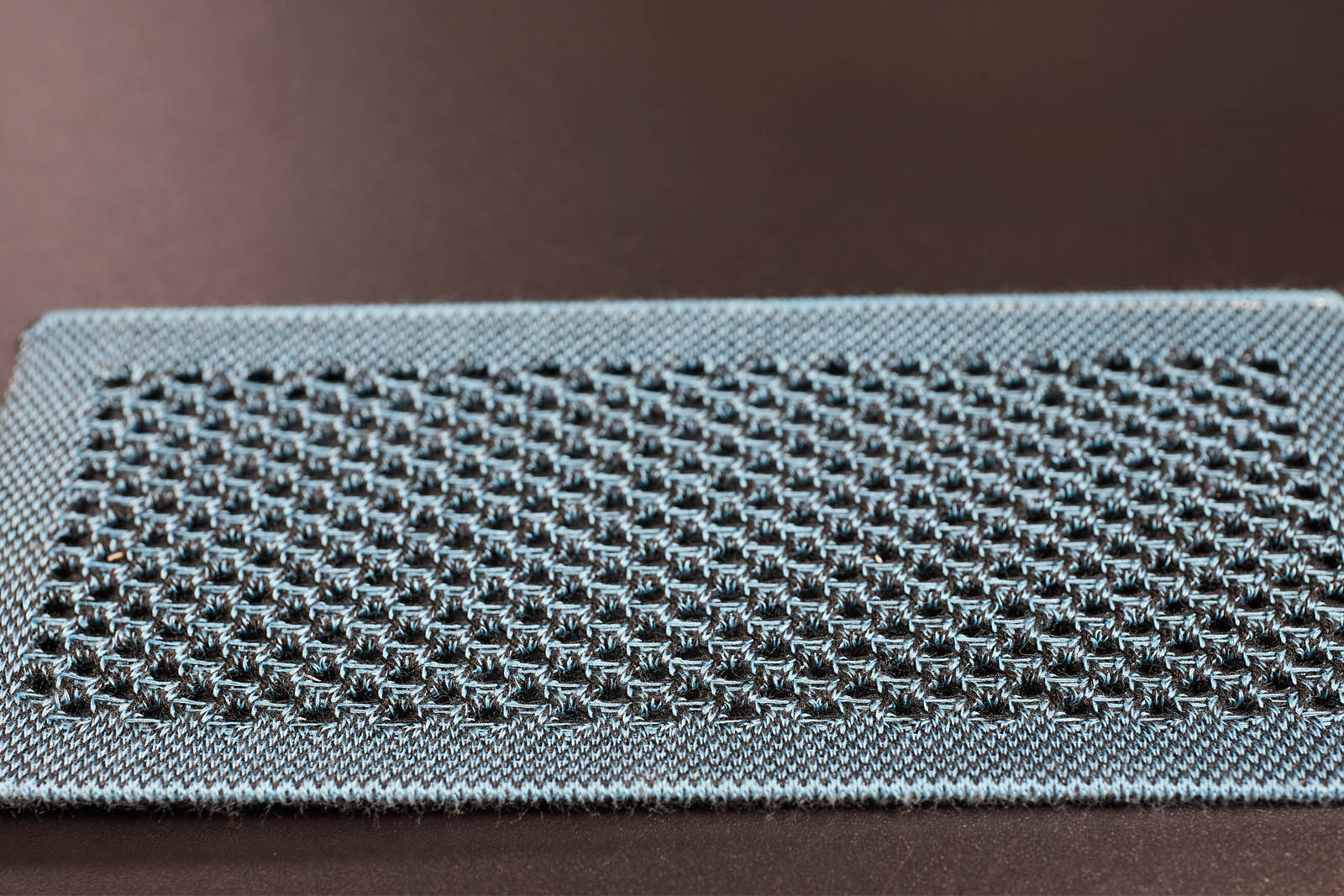
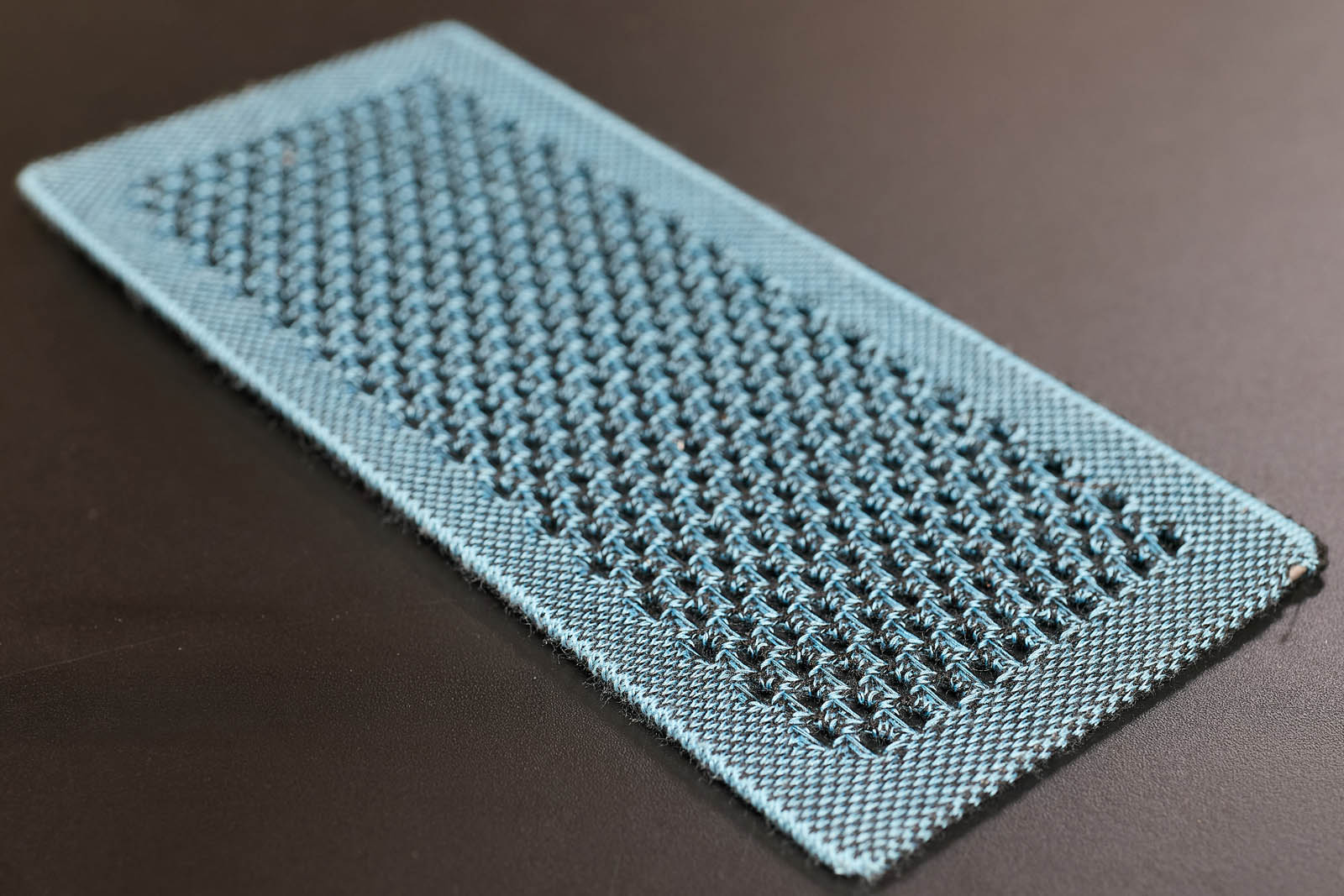
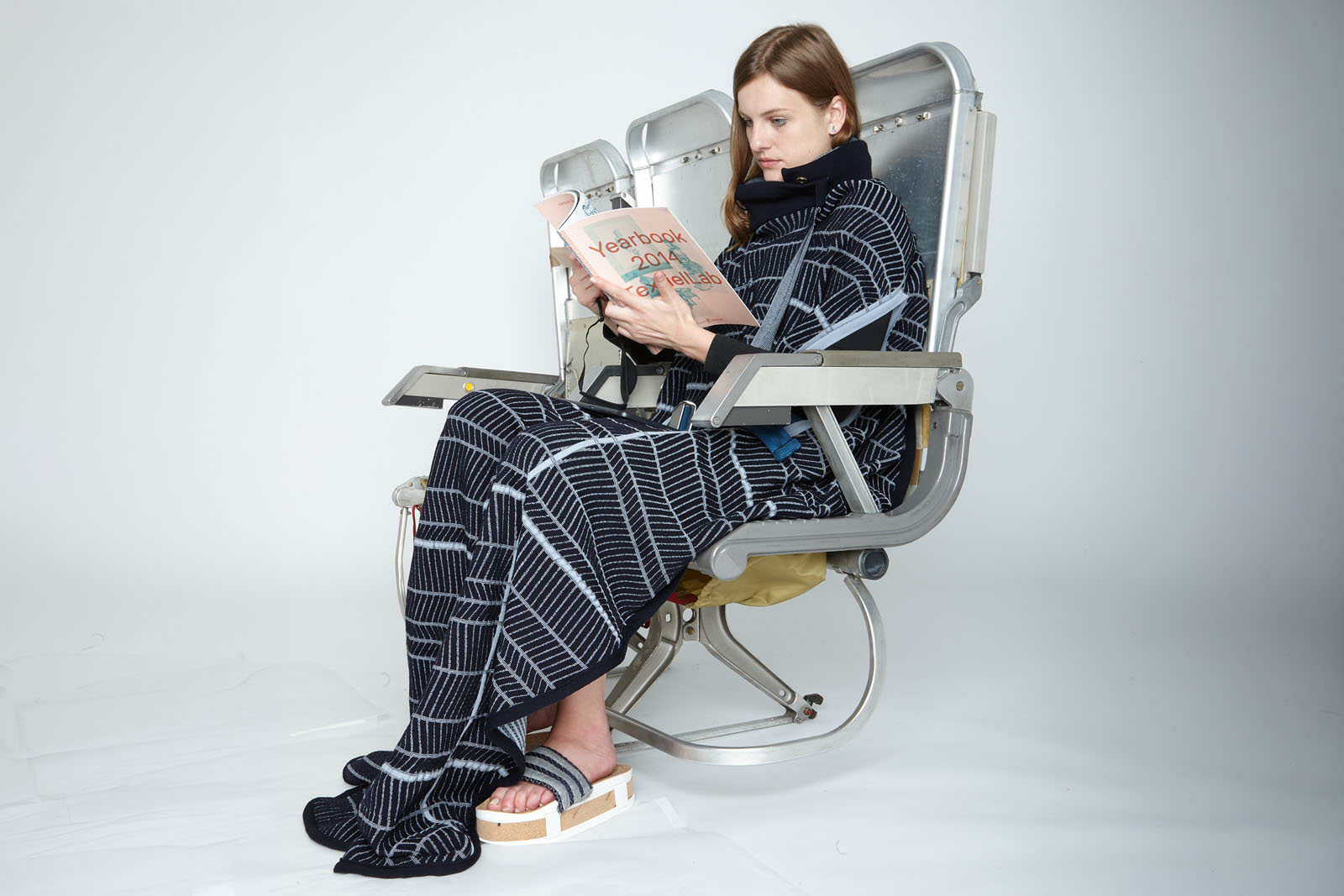
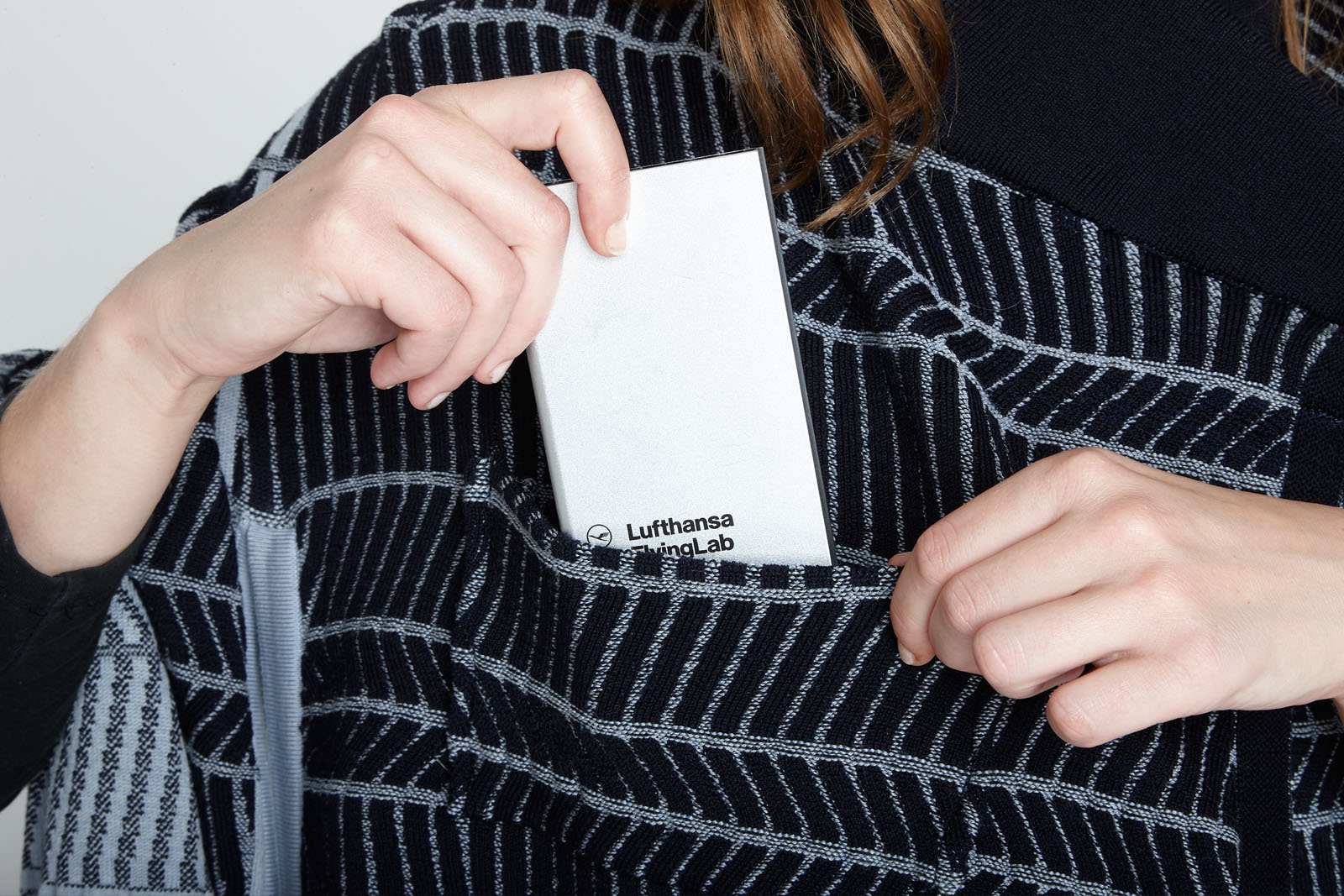
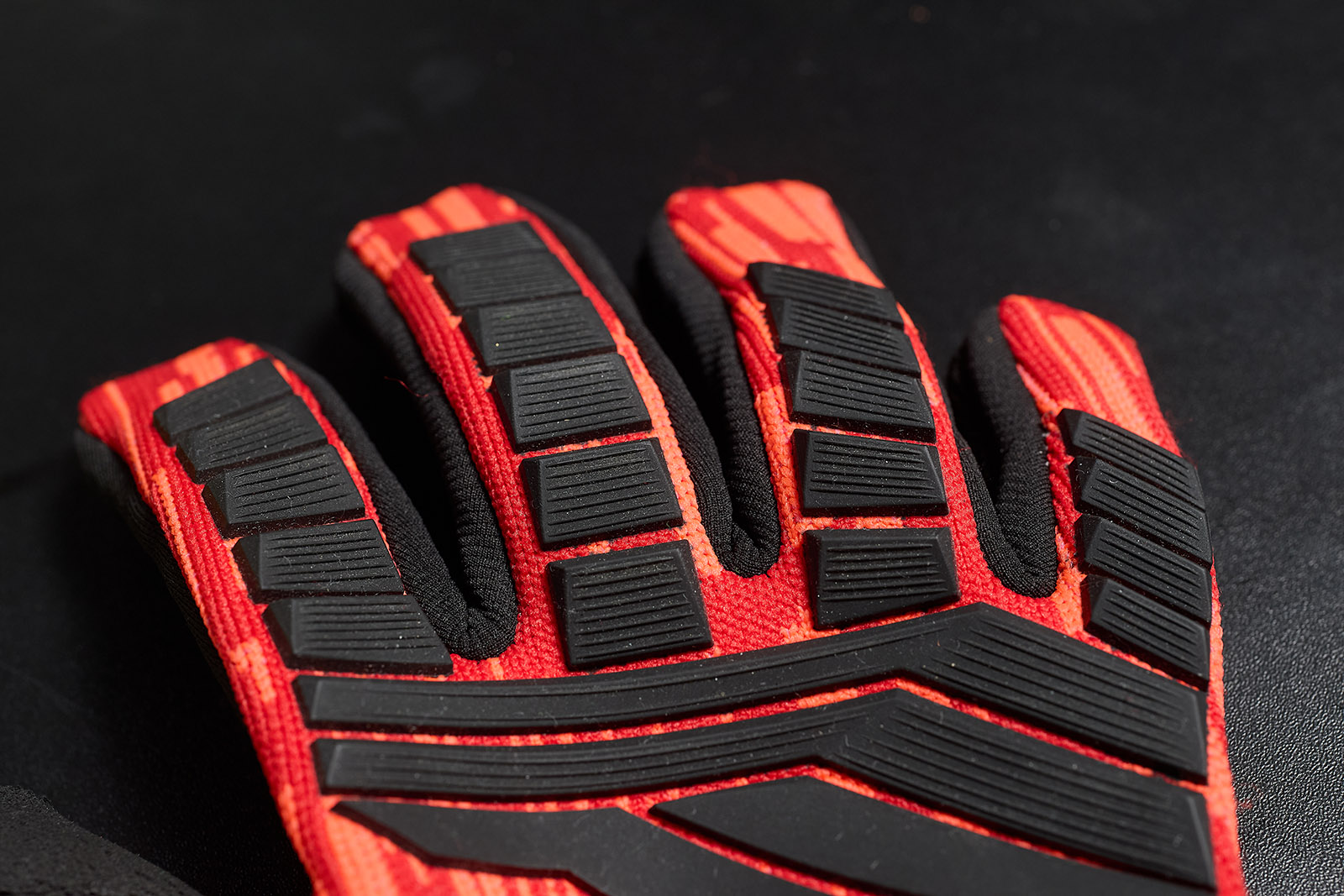
Through the targeted selection of materials and knitted structures, protective performance, elasticity, and wearing comfort can be combined. Technical knitted fabrics offer significant advantages over conventional textile surface materials.
Two Areas of Expertise. One Commitment.